
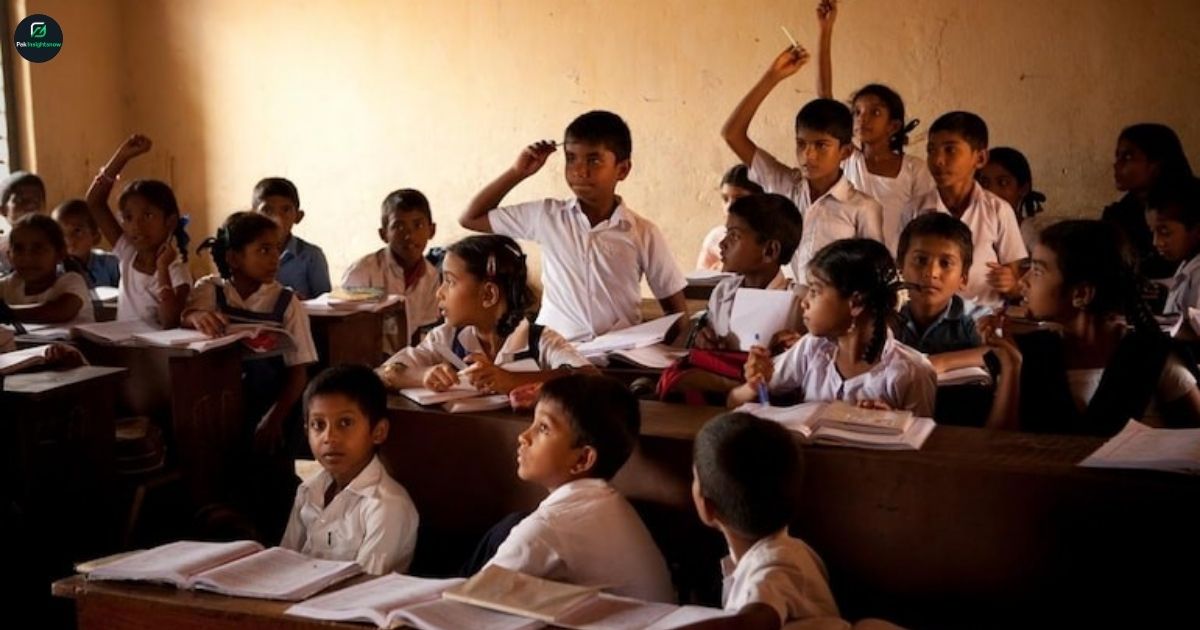
Pakistan literacy rates have shown a clear provincial divide, according to the latest figures from the Pakistan Economic Survey 2025–26. The data highlights major differences in education outcomes across the country, with Punjab leading the rankings while Balochistan remains at the bottom.
The report, released in June 2026, presents a province-wise breakdown based on the 2025 Population and Housing Census. It offers a detailed snapshot of how education progress varies across regions and continues to shape development priorities in Pakistan.
Provincial ranking shows clear gaps.
The latest Pakistan literacy rates reveal Punjab as the top-performing province with a literacy rate of 68%. This places it ahead of all other regions in the country and reflects steady improvement in access to education infrastructure and schooling opportunities.
Sindh and Khyber Pakhtunkhwa (KPK) follow with an equal literacy rate of 58%. While both provinces show moderate progress, they still lag behind Punjab by a significant margin of 10 percentage points. The figures suggest that educational development in these regions is moving forward but remains uneven.
Balochistan records the lowest literacy rate at 49%. The province continues to face long-standing structural challenges that affect school enrollment and retention. These include limited access to schools in remote areas, a shortage of trained teachers, and economic barriers that prevent families from sending children to school.
Overall, the Pakistan literacy rates data highlight a gap of nearly 20 percentage points between the highest and lowest-performing provinces.
Education gaps reflect deeper structural issues.
Experts point out that regional disparities in Pakistan literacy rates are not new. However, the latest figures reinforce concerns about unequal development in the education sector.
In rural and underdeveloped areas, especially in Balochistan, distance remains a major barrier. Many communities live far from functional schools, forcing children to travel long distances or drop out entirely. Infrastructure challenges also limit the availability of secondary schools, particularly for girls.
In Sindh and KPK, urban centers show relatively better literacy levels, but rural districts continue to struggle. Poverty, lack of awareness, and limited school facilities contribute to slower progress in these areas.
Punjab’s stronger performance is linked to better school coverage, higher enrollment rates, and ongoing education reforms. However, experts caution that even the leading province still has room for improvement, especially in ensuring quality education and reducing dropout rates in marginalized communities.
Policy focus ahead of Budget 2026–27
The timing of the report is also significant, as it was released just before the federal Budget 2026–27. Analysts believe that Pakistan’s literacy rates and regional education gaps are likely to become key discussion points in upcoming policy decisions.
Education spending, teacher recruitment, and infrastructure development are expected to receive renewed attention. Policymakers may also focus on targeted interventions for underperforming provinces, especially Balochistan, where the need for urgent reform is widely acknowledged.
The government has previously emphasized education as a long-term driver of economic growth. However, the latest data suggests that progress remains uneven, and sustained investment will be required to bridge the gap between provinces.
As Pakistan continues to develop its education strategy, addressing regional disparities in literacy will remain a central challenge. Pakistan’s literacy rates show progress, but equal access to education is still lacking.