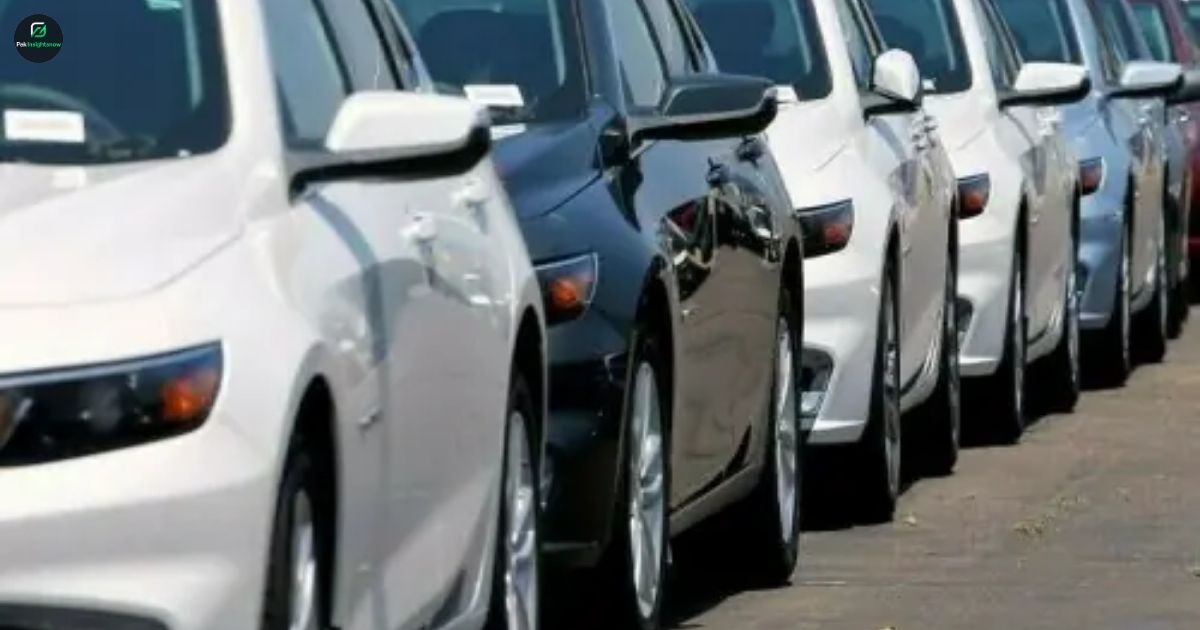
Pakistan auto sales have recorded a strong recovery, rising 45% during the first 11 months of FY2025-26, according to data released by the Pakistan Automotive Manufacturers Association (PAMA). The sharp increase reflects improving demand, better financing conditions, and gradual economic stability across the country.
The total vehicle sales reached 183,704 units during July–May FY2025-26. This marks a significant rebound compared to the same period last year, when the market faced slower consumer activity and tighter financial conditions. Industry analysts say the latest figures signal renewed confidence in the auto sector.
Market recovery gains momentum
The latest data shows that Pakistan auto sales continued to strengthen in key segments, especially passenger cars and motorcycles. In May 2026 alone, car sales stood at 17,660 units, showing a 19% increase year-on-year.
However, the monthly figures also showed a 20% decline compared to April. Analysts linked this drop to reduced business activity during the Eid holidays, which temporarily slowed market movement.
Despite short-term fluctuations, the overall trend remains strongly positive. Motorcycle and three-wheeler sales remained a major driver of growth, with 172,433 units sold in May. While this was slightly lower on a monthly and yearly basis, cumulative sales for the first 11 months reached 1.8 million units, marking a 30% annual increase.
Industry experts say motorcycles continue to dominate the market due to affordability and rising demand in urban and rural areas.
Strong performance across major manufacturers
The recovery in Pakistan auto sales is also visible across leading manufacturers. Pak Suzuki Motor Company posted one of the strongest performances, with sales jumping 75% year-on-year to 8,856 units in May.
Honda Atlas Cars Pakistan also showed steady growth, selling 2,230 units during the month, up 11% compared to the same period last year. Meanwhile, Hyundai Nishat Motor experienced a 31% decline, with sales dropping to 902 units.
This mixed performance highlights shifting consumer preferences and changing competition within the local automotive industry. Lower-priced vehicles and fuel-efficient models continue to attract the largest share of buyers.
Industry outlook remains cautiously positive
Analysts believe the recovery in Pakistan auto sales is being supported by improving consumer confidence, relatively stable inflation trends, and easier access to vehicle financing. These factors have helped revive demand after a challenging period for the industry.
However, experts also warn that short-term volatility may continue due to seasonal disruptions and broader economic pressures. Monthly fluctuations, such as those seen during Eid, are expected to remain part of market patterns.
Despite these challenges, the overall direction of the industry remains positive. The strong cumulative growth during FY2025-26 suggests that demand for vehicles is steadily rebuilding across Pakistan.
If current conditions continue, the auto sector could maintain its recovery trajectory into the next fiscal year, supported by growing middle-class demand and expanding mobility needs.