
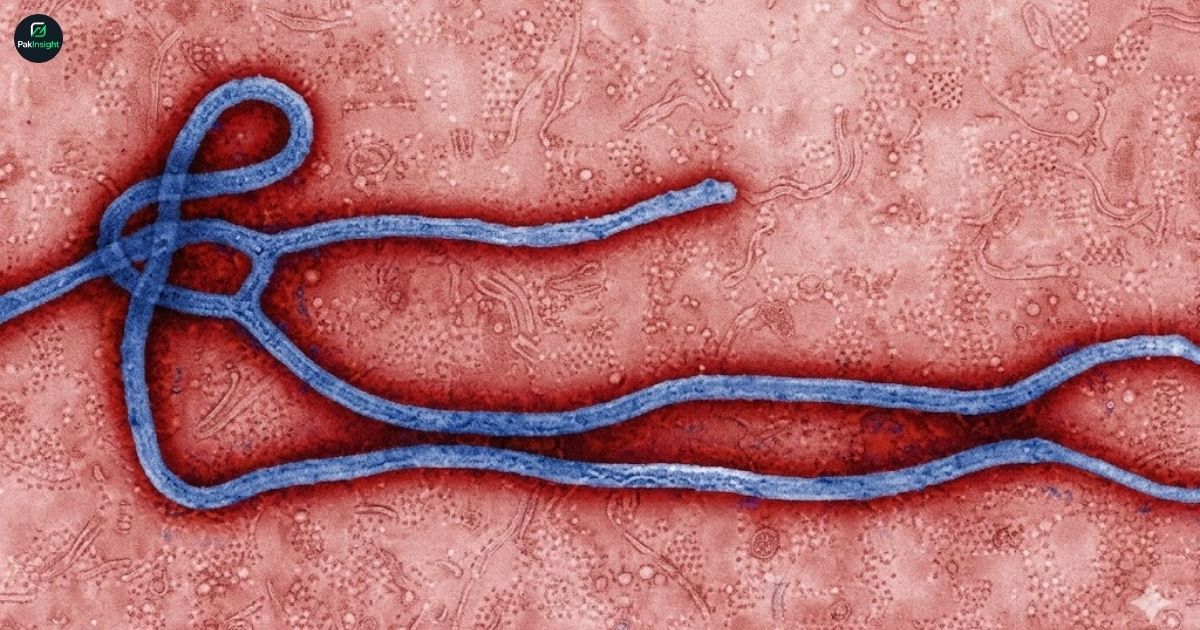
The Congo Ebola outbreak has triggered global concern after the World Health Organization (WHO) declared a Public Health Emergency of International Concern, following a sharp rise in cases and deaths in the Democratic Republic of Congo.
Health authorities report that the outbreak has killed more than 80 people, with hundreds of suspected cases recorded across several health zones in the northeastern Ituri province. Officials say the situation is rapidly evolving and may be larger than currently confirmed figures.
The WHO stated that the decision was made due to the fast spread of the virus, cross-border transmission, and uncertainty over the full scale of infections. The outbreak has also reached neighbouring Uganda, raising fears of wider regional spread in East Africa.
According to Congo’s health ministry, the outbreak is caused by the Bundibugyo strain of Ebola. This strain is considered highly dangerous and currently has no approved vaccine. Health experts warn that the fatality rate could reach up to 50 percent, making containment efforts urgent and complex.
Medical teams from international organisations, including Doctors Without Borders (MSF), have begun deploying emergency response units. However, challenges such as limited healthcare infrastructure, poor transport networks, and delayed isolation of patients are making containment difficult.
Local health workers report that many patients are still being treated at home due to a lack of isolation centres. This increases the risk of further transmission within communities.
WHO has urged countries to improve surveillance, contact tracing, and awareness of Ebola symptoms like fever, vomiting, and internal bleeding.
Experts say the Congo Ebola outbreak shows continued risks in weak health systems, despite global progress in vaccines and treatments.
As investigations continue, health authorities stress that early detection and rapid response remain critical to stopping the spread.