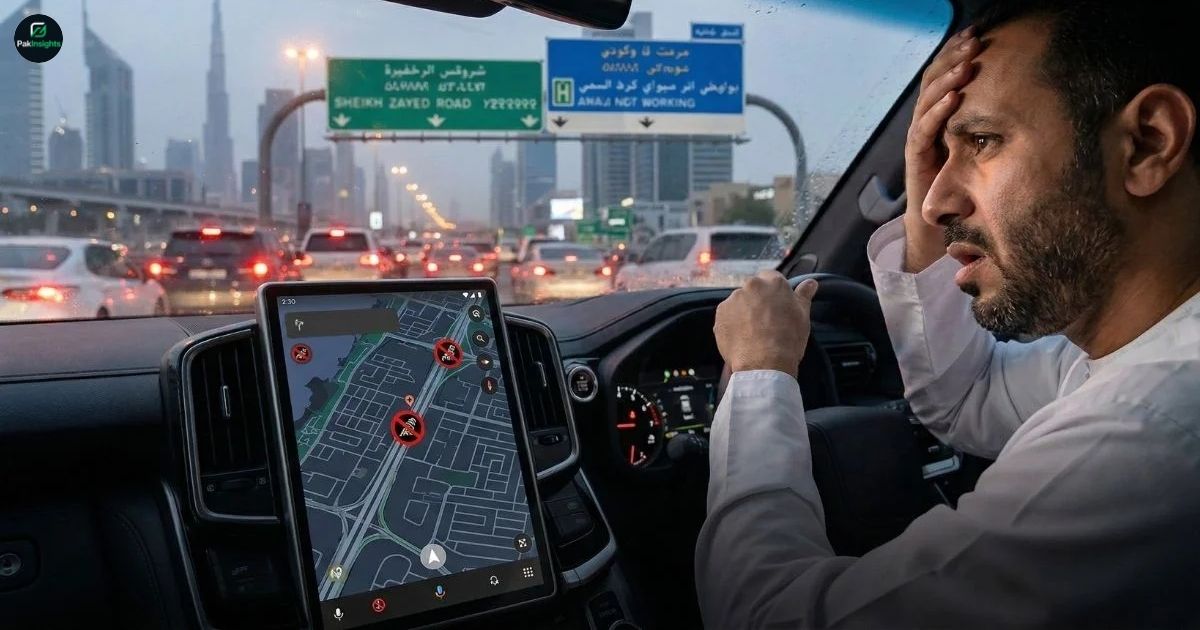
Why GPS Signals Are Failing in Dubai and Across the Middle East is a growing concern for residents and businesses. Smartphones often show incorrect locations, sometimes placing users in the middle of the sea or in the wrong cities. GPS disruption in the Middle East has caused mapping applications errors, delivery driver navigation delays, and frozen or rerouting navigation systems. Experts link these issues to regional conflict escalation involving Iran, the United States, and Israel.
Causes of GPS Malfunctions in the Region
The main reasons for GPS not working in Dubai include GPS jamming and GPS spoofing. These electronic warfare tactics interfere with satellite navigation and send false location signals. Because GPS signals are weak, local transmissions can easily overpower them. Defensive measures against drones and missiles are also contributing to civilian navigation disruption. Additionally, urban infrastructure and tall buildings in Dubai can further worsen GPS signal interference.
Impacts on Daily Life and Critical Infrastructure
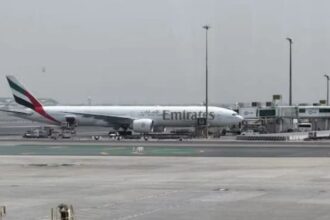
Navigation issues in Dubai affect residents, delivery services, and transportation systems. Delivery drivers report trips taking double the usual time. Aviation and shipping risks have increased, with maritime monitoring reports indicating up to 1,000 vessels affected. Vessels have appeared on land in tracking systems, highlighting the strategic and tactical advantages of spoofing. GPS errors in the UAE also pose risks to emergency services and other critical infrastructure.
Solutions and Precautions
Residents can improve GPS accuracy by using hybrid navigation apps that combine GPS, Wi-Fi, and mobile signals. Regular device calibration and software updates help reduce errors. Authorities are also exploring regional security measures to manage disruptions while balancing civilian safety.