Welfare ambulances in Karachi fined under the e-challan system have sparked concern among relief organizations and citizens. Dozens of ambulances from major welfare groups, including the Edhi Foundation and Chhipa Foundation, received penalties while transporting patients. Most fines were for minor infractions like seat belt violations, even during life-saving missions.
The e-challan system in Karachi uses digital surveillance to enforce traffic rules. Cameras monitor roads and issue fines automatically. Officials claim this improves road safety in Karachi, but welfare groups argue that emergency vehicle exemptions are often ignored. For example, ambulances parked in service lanes during emergencies still received fines, highlighting flaws in traffic enforcement in Karachi.
Rescue 1122, the Sindh government’s emergency service, was also affected. One vehicle reportedly received a fine while rushing a patient to the hospital. Critics say emergency services prioritize saving lives, so strict compliance with traffic laws is sometimes impossible. Many welfare organizations argue that globally, ambulances transporting patients and fire brigades are typically exempt from minor traffic penalties.
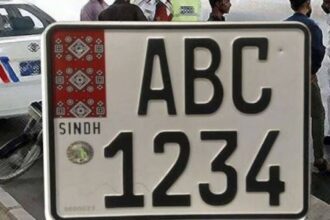
The situation worsens due to poor road conditions and a lack of proper signage, making it harder for drivers to follow rules precisely. Over 23,000 motorists in Karachi attempt to evade surveillance camera fines by concealing number plates, but emergency services face penalties despite urgent duties. Welfare groups have requested the Sindh government to review ambulance service regulations and consider creating dedicated emergency lanes for smoother operations.
In conclusion, welfare ambulances in Karachi fined under the e-challan system reflect a conflict between traffic enforcement and urgent medical needs. Authorities must balance compliance with regulations and the life-saving priority of emergency services. Updating policies could protect both patients and drivers.