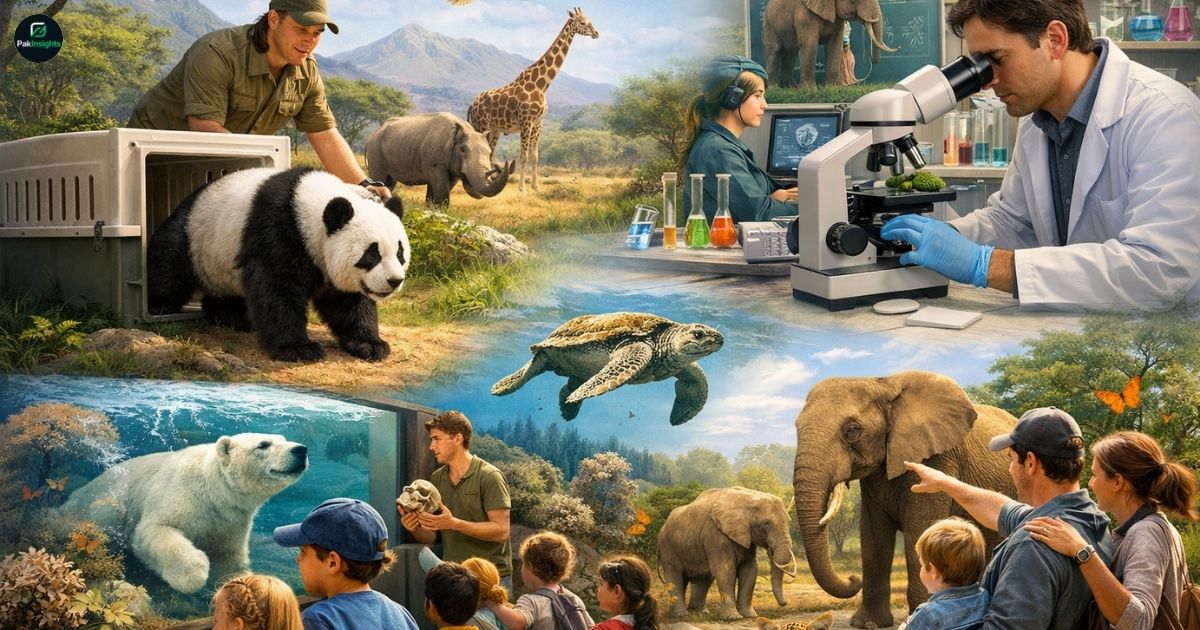
Zoos play a vital role in protecting endangered species across the United States. Modern zoos & aquariums are not just for entertainment; they are central to wildlife conservation, education, and research. With the decline in vertebrate populations worldwide, every breeding program matters. These institutions are key to maintaining genetic diversity and helping animals survive in changing environments. By combining species survival programs with community engagement in conservation, zoos ensure that people understand the importance of protecting our planet’s wildlife.
In the USA, species like Red wolves, black-footed ferrets, and manatees benefit directly from zoo efforts. Zoos carefully plan captive breeding and genetic management to avoid inbreeding and gene pool limitations, which can harm animal health. They also monitor animal behavior and health to reduce stress and a shorter lifespan in captivity. By blending conservation science with education, zoos show the public how they contribute to long-term wildlife preservation.
Saving Species Through Breeding and Genetic Programs
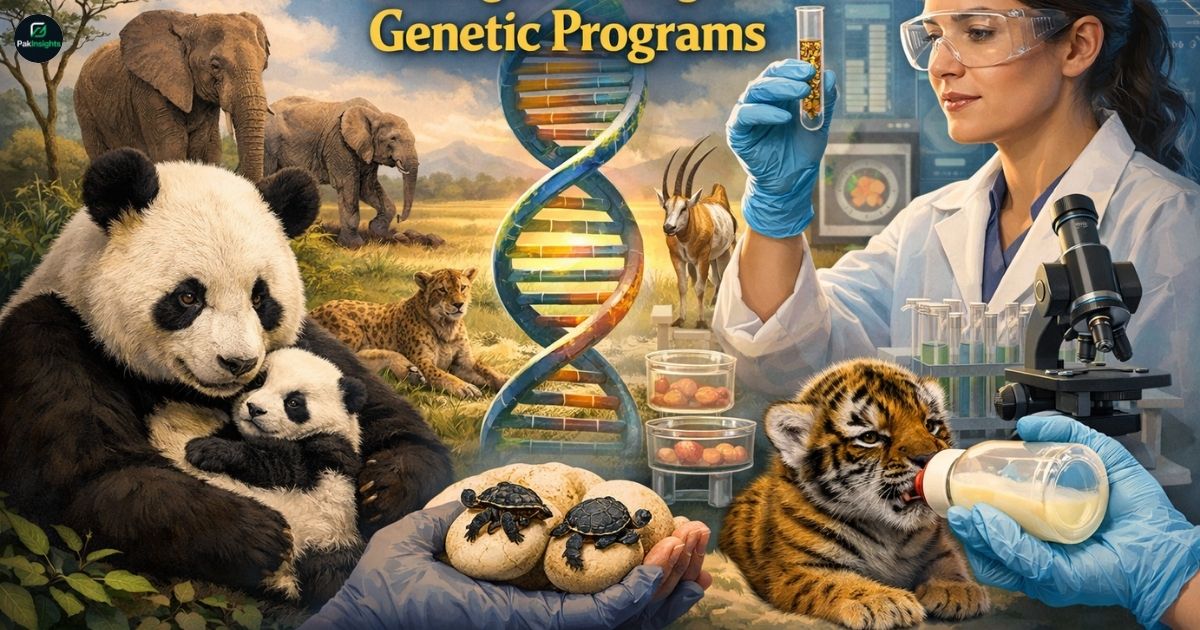
Modern breeding programs in zoos help protect endangered species. By maintaining genetic diversity, zoos ensure that animals are strong and can adapt to new environments. Species reintroduction programs return animals to their natural habitats when it is safe. This approach is especially important for animals like the Red wolves and black-footed ferrets, whose numbers in the wild remain low. Zoos use assisted reproductive methods and carefully track each animal’s genetic profile. Vertebrate population decline is slowing thanks to these efforts, showing that well-managed captive breeding can save species from extinction.
One example is the recovery of the California condor, which faced near extinction. Zoos collaborated through international collaboration to breed condors in captivity and release them into the wild. The table below shows some successes of species survival programs in the USA:
| Species | Breeding Success | Reintroduction Status |
|---|---|---|
| Red wolves | 120+ pups hatched | Reintroduced in NC |
| Black-footed ferrets | 350+ pups hatched | Released in WY & SD |
| Manatees | 50+ calves hatched | Protected in FL rivers |
These programs show how careful genetic management and rewilding strategies can make a real difference in preserving biodiversity. Zoos not only breed animals but also plan for environmental adaptation, helping species survive changing climates and habitats.
Advancing Science and Enhancing Animal Welfare
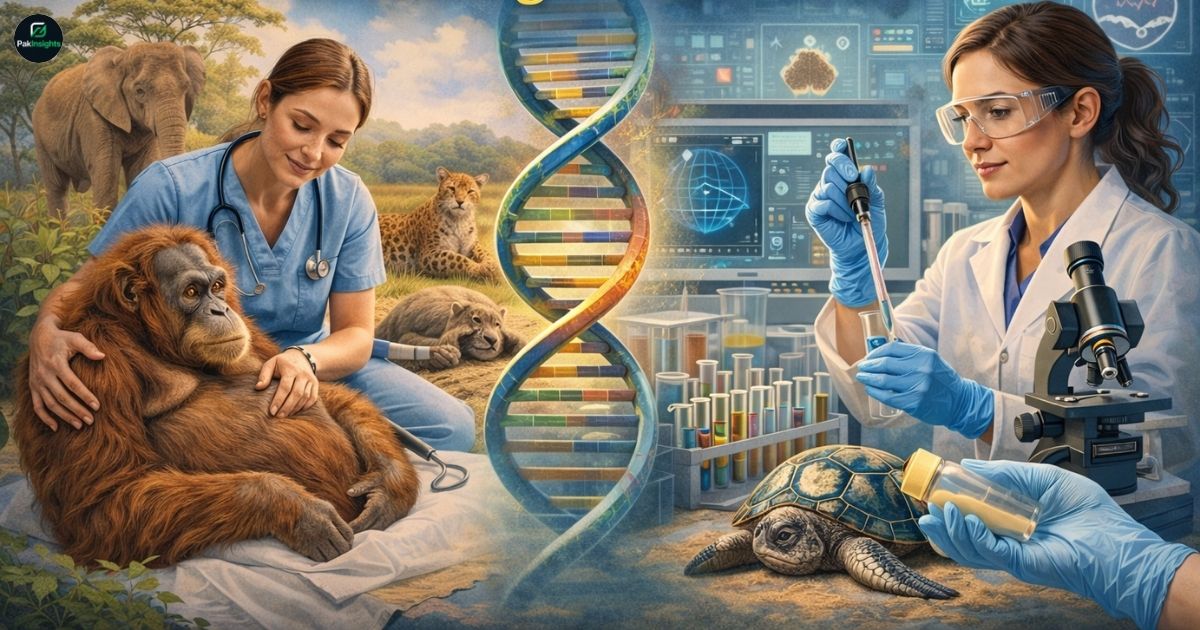
Zoos are not only for breeding; they are hubs of wildlife research. Scientists study behavior, health, and genetics to improve animal welfare. Using AI in habitat and health management, zoos can monitor animals closely, tracking nutrition, reproduction, and stress. Advanced infrastructure (flood barriers, safety measures) protects animals during natural disasters. This ensures that animal protection during natural disasters is possible, maintaining stable populations for future conservation efforts.
Research at zoos also helps with environmental adaptation. By observing captive animals, scientists learn how to prepare them for release into natural habitats. Zoos share this knowledge through global cooperation in conservation and collaborate with universities and conservation groups. Studies focus on preventing challenges of captivity, reducing stress, and improving life quality. These efforts make long-term wildlife preservation realistic and provide valuable insights for worldwide conservation efforts.
Engaging the Public and Promoting Ethical Practices
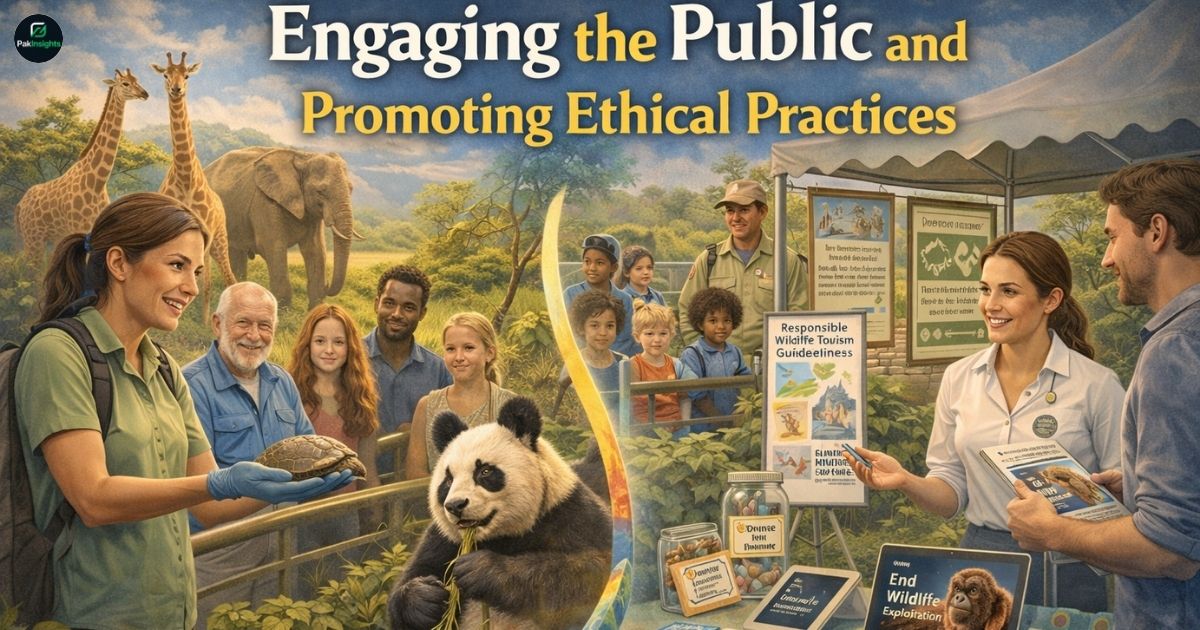
Education is a core mission for zoos. Interactive exhibits and programs raise education and public awareness about endangered species and habitat loss. Zoos encourage visitors to support wildlife by participating in awareness programs and engaging in conservation efforts. Fundraising helps fund habitat restoration and scientific research. Through fundraising and conservation funding, zoos can maintain high standards for animal welfare and support global wildlife projects.
Zoos also address ethical concerns in zoos by improving enclosures and enrichment programs to mimic natural behavior. Visitors learn how to help by supporting local zoos and protecting wildlife in their communities. Programs for schools and families focus on raising public awareness and promoting community engagement in conservation. By showing the public the importance of protecting wildlife, zoos inspire action, helping people understand that conservation is not just science but a shared responsibility.
Frequently Asked Questions
Q1: What is the role of zoos in wildlife conservation?
Zoos protect endangered species through breeding programs, research, and public education, helping maintain genetic diversity and support species reintroduction.
Q2: How do breeding programs help endangered animals?
Breeding programs increase populations, preserve genetic diversity, and prepare animals like Red wolves and black-footed ferrets for release into the wild.
Q3: What research do zoos conduct?
Zoos study animal health, genetics, and behavior, using AI in habitat and health management to improve animal welfare and conservation strategies.
Q4: How do zoos educate the public?
Through interactive exhibits, school programs, and awareness campaigns, zoos raise education and public awareness about wildlife conservation and habitat restoration.
Q5: Are there ethical concerns in zoos?
Yes, zoos address ethical concerns in zoos by improving enclosures, reducing stress and shorter lifespan in captivity, and promoting natural behavior.