
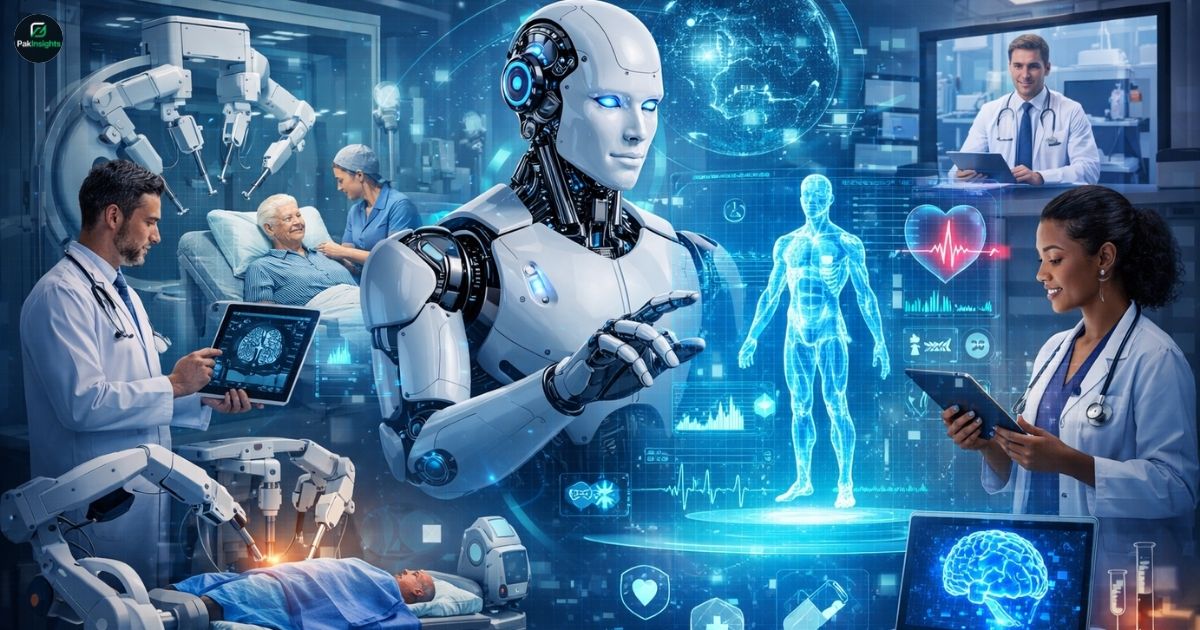
The Rise of AI in Healthcare is no longer a futuristic idea. It is happening right now across the United States. Hospitals, clinics, insurers, and research labs are using Artificial Intelligence in healthcare to improve speed, accuracy, and patient outcomes. From emergency rooms in Texas to research centers in Boston, AI healthcare systems are reshaping how doctors diagnose disease and manage treatment.
You can see this shift in everyday care. Physicians now rely on AI in the medical field for imaging, triage, and clinical records. Investors are pouring billions into AI healthcare innovation because the demand is clear. Reports such as the World Economic Forum AI health report and The Future of AI-Enabled Health Leading the Way explain how AI can close gaps for 4.5 billion without healthcare access while addressing the projected 11 million health worker shortage by 2030. In fact, AI progress directly supports the United Nations Sustainable Development Goal health agenda. The Rise of AI in Healthcare is not hype. It is a structural shift in American medicine.
Core Applications of AI in Modern Healthcare Systems
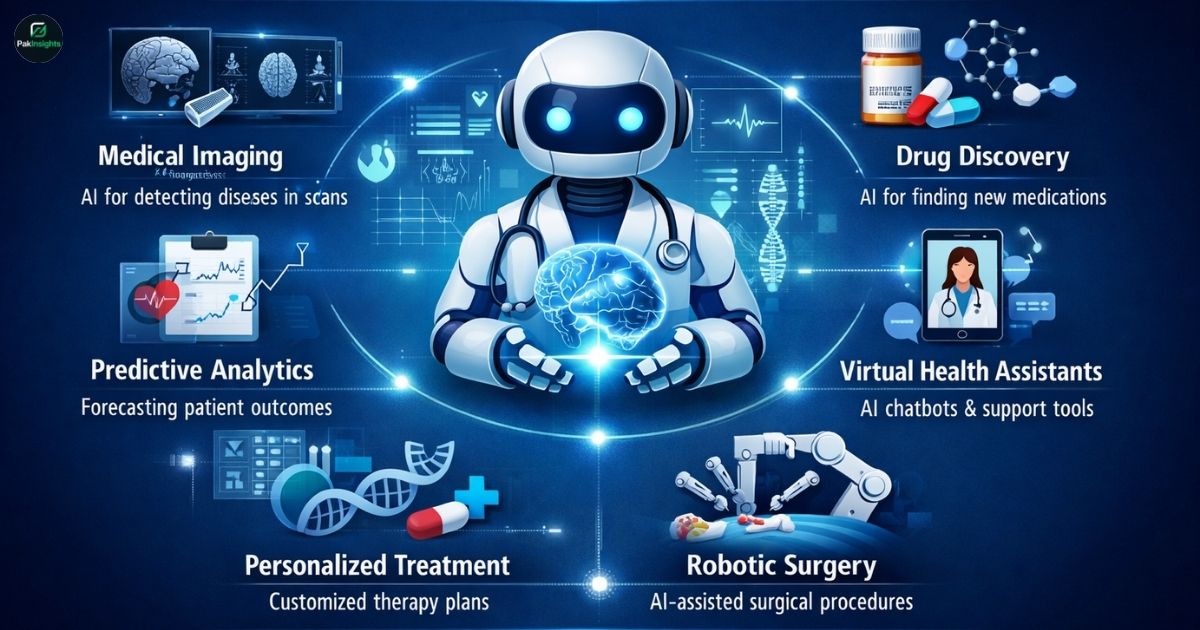
The most powerful impact of the Rise of AI in Healthcare appears in diagnostics and emergency care. Hospitals now use AI-powered brain scan analysis, MRI scan analysis AI, and AI in radiology to detect strokes within minutes. Advanced stroke detection software improves AI in stroke diagnosis accuracy, which can save brain tissue and lives. Tools like bone fracture detection AI and X-ray automation technology reduce missed injuries. This is AI medical diagnosis at work. It also supports early disease detection and even AI for early disease detection before symptoms through an advanced AI disease prediction model powered by machine learning in medicine. Doctors increasingly rely on AI-driven diagnostics and clinical decision support systems to guide complex cases, including epilepsy lesion detection.
Emergency departments also benefit. AI triage systems help nurses prioritize patients quickly. AI for ambulance triage decisions and ambulance demand prediction improves response times. The table below shows key application areas in the United States healthcare market.
| Application Area | AI Technology Used | Real-World Impact |
|---|---|---|
| Stroke Care | AI-powered imaging | Faster clot detection |
| Emergency Rooms | AI triage systems | Shorter wait times |
| Orthopedics | Bone fracture detection AI | Fewer missed fractures |
| Chronic Care | Remote patient monitoring | Lower readmission rates |
Beyond hospitals, digital patient platforms such as the Huma digital patient platform are part of the Digital Healthcare Transformation Initiative. These tools enable remote patient monitoring, support AI in reducing hospital readmission rates, and drive measurable AI healthcare efficiency gains.
Benefits, Risks, and Ethical Challenges of AI in Healthcare
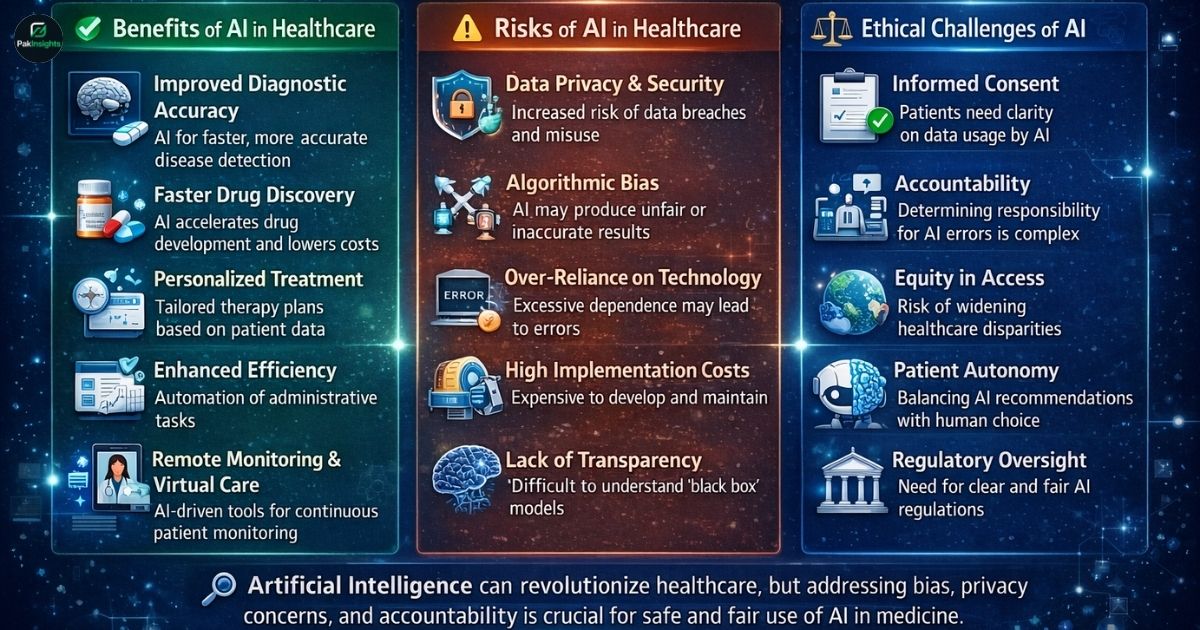
The Rise of AI in Healthcare delivers clear advantages. Hospitals see AI cost reduction in hospitals through workflow automation and smart staffing models. Studies show measurable progress in reducing medical errors with AI. Many experts describe these outcomes when discussing the Benefits of AI in the healthcare industry. Moreover, strong AI healthcare investment fuels research and supports nationwide healthcare digital transformation. In emergency departments, AI in emergency care shortens critical decision time. That speed can mean survival.
However, you cannot ignore risk. Conversations about AI healthcare adoption challenges often center on privacy and oversight. Regulators, including the National Institute for Health and Care Excellence NICE review safety standards carefully. Experts warn about AI bias in healthcare and broader Ethics in artificial intelligence healthcare debates. Some clinicians worry about AI vs doctors in diagnosis. Others question reliance on large language models in healthcare without supervision. Even advanced tools like a Retrieval-augmented generation RAG system require strict validation. Institutions must update AI medical training requirements to ensure doctors understand both power and limitation.
Future Trends Shaping AI-Driven Healthcare Transformation
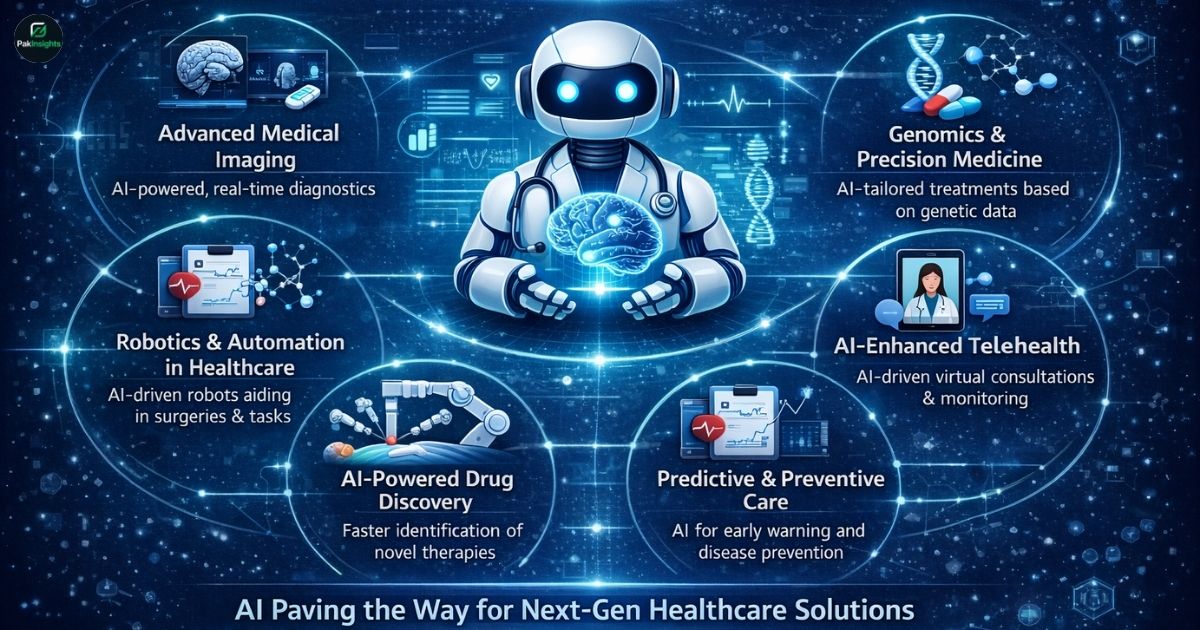
Looking ahead, the Rise of AI in Healthcare will expand into research, genomics, and preventive care. The Future of AI in global healthcare includes smarter drug discovery, wearable monitoring, and predictive analytics that anticipate illness before symptoms appear. This shift supports AI in global health strategies. It also aligns with Universal Health Coverage 2030 goals and offers scalable health worker shortage solutions. Analysts predict steady AI healthcare investment growth across U.S. biotech markets.
AI is also entering traditional practices. Reports on Traditional medicine and AI integration show progress in the WHO AI in traditional medicine initiatives. Countries explore projects such as the Traditional Knowledge Digital Library India, Ayurgenomics and AI, AI medicinal plant classification in Ghana, and South Korea AI traditional compounds. Policymakers stress Indigenous data sovereignty protections as the Global TCIM market growth accelerates. These examples show how AI is transforming healthcare systems, which goes far beyond hospitals. It connects research, culture, and innovation in one ecosystem.
Frequently Asked Questions
Q1: What is the rise of AI in healthcare?
The rise of AI in healthcare refers to the growing use of Artificial Intelligence in healthcare to improve diagnosis, treatment, and patient management.
Q2: How is AI used in medical diagnosis?
AI analyzes scans, lab results, and patient data to detect diseases faster and more accurately than traditional methods.
Q3: What are the benefits of AI in healthcare?
It reduces errors, lowers hospital costs, improves efficiency, and enhances patient outcomes across AI healthcare systems.
Q4: Are there risks with AI in healthcare?
Yes, risks include AI bias in healthcare, privacy concerns, and reliance on unvalidated algorithms without human oversight.
Q5: How does AI improve emergency care?
AI triage systems and ambulance demand prediction help prioritize patients and speed up critical treatment decisions.