
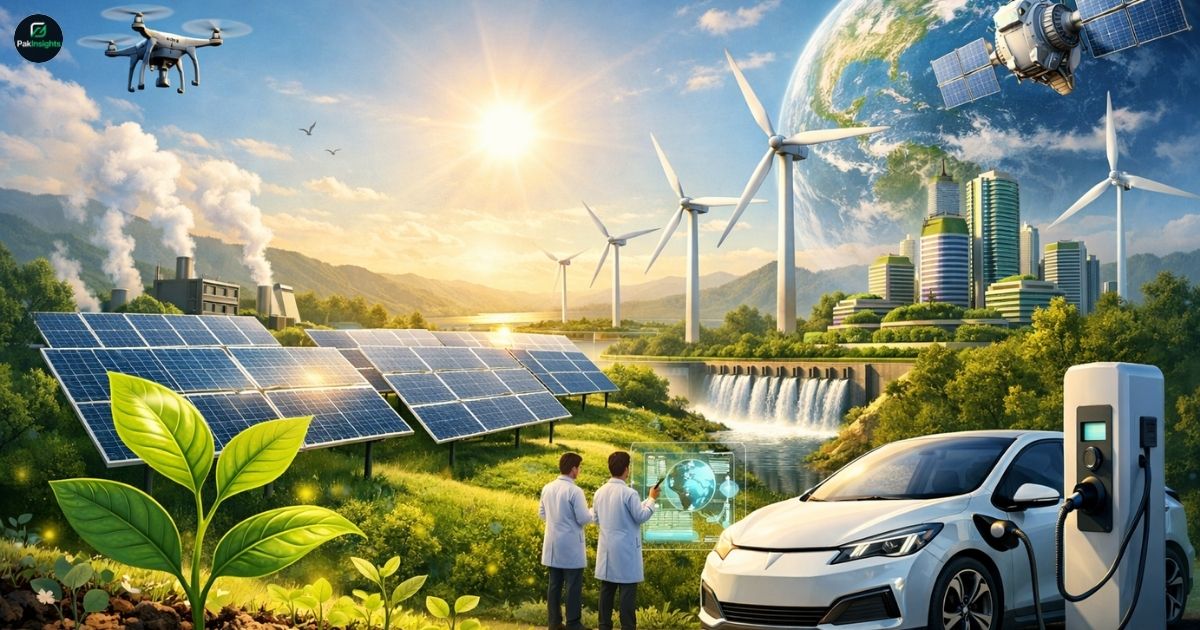
The growth of green technology and clean energy is reshaping the way the United States produces and consumes energy. Today, more people and companies are focusing on renewable energy innovation to reduce dependence on fossil fuels and fight climate change. This transformation is not just about electricity; it affects industries, jobs, and cities. Clean energy technologies such as solar panels, wind turbines, and smart grids are helping achieve sustainable development while improving energy efficiency. With the rise of the digital economy (DEC), these changes are happening faster than ever. Digital tools allow for better resource optimization, monitoring, and control of energy systems. Governments, businesses, and researchers are now investing heavily in green technology, making it a central part of America’s energy future.
Research and development (RDT) plays a key role in this revolution. Companies are filing more renewable energy patents, and innovative startups are emerging in cities like San Francisco, Austin, and Boston. The combination of policy support, technological advancement, and digital technology adoption is creating a unique environment for green growth. As the U.S. aims to meet its climate goals, the growth of green technology and clean energy will be essential for reducing carbon emissions, minimizing energy wastage, and achieving environmental sustainability.
Key Drivers Behind the Rise of Green Technology
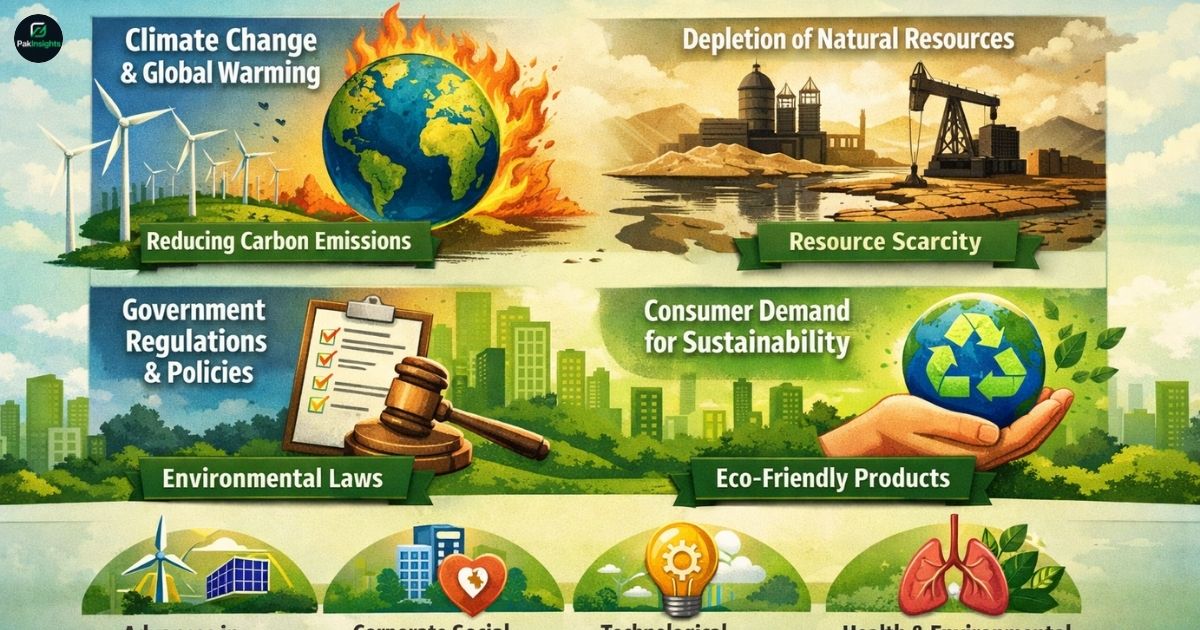
One major driver behind green technology is government policy. Federal and state programs offer tax incentives, grants, and subsidies to companies investing in renewable energy (RENT). For example, the Inflation Reduction Act includes billions for clean energy infrastructure and research. Another driver is the private sector. Companies are focusing on sustainable development, reducing their fossil fuel dependence, and adopting energy-efficient solutions. Technology plays a huge role, too. With the digital economy integration, energy systems are more connected, smarter, and responsive. Businesses can optimize resources and minimize waste with advanced monitoring systems. This combination of RDT, digital technology adoption, and policy implications for renewable energy fuels ongoing innovation and expansion.
Innovation is also boosted by collaboration with global markets. While the U.S. leads in some areas, learning from BRICS countries about renewable energy patents and clean energy technologies has created new opportunities. Researchers use econometric modeling, FMOLS, and DOLS to understand trends and make long-run empirical estimates about energy adoption. Panel cointegration and cross-sectional data analysis help policymakers decide where investments will have the most impact. In short, drivers of renewable energy innovation include technology, policy, research, and global cooperation, making green technology growth inevitable.
Major Types of Clean Energy and Their Impact
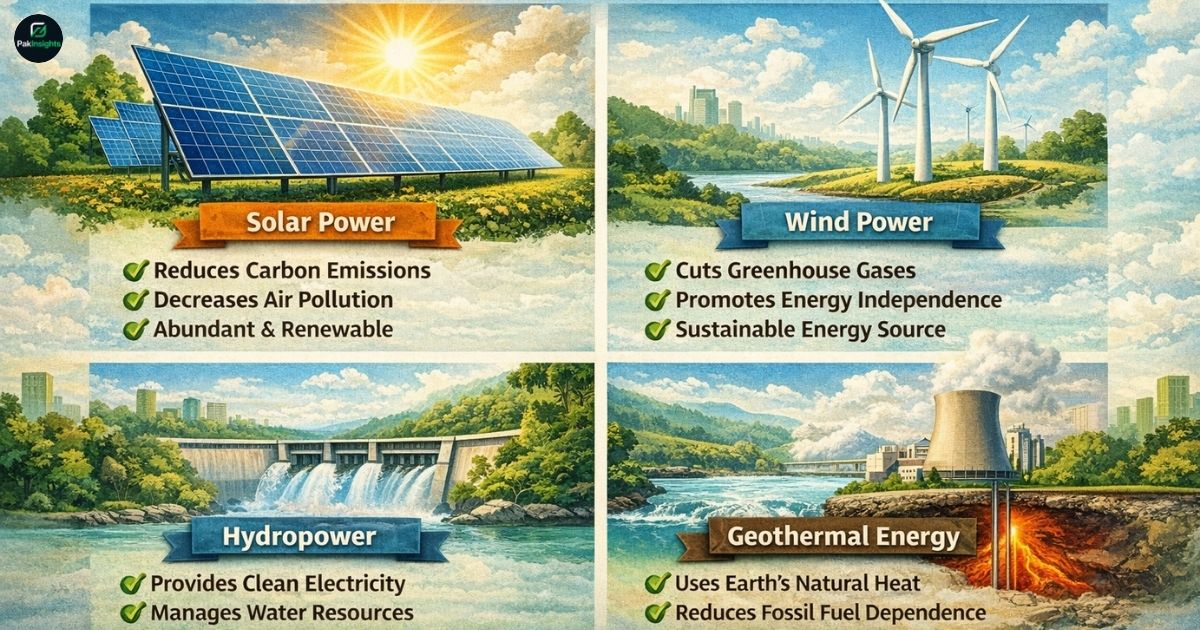
The U.S. energy sector relies on several key clean energy technologies. Solar power has expanded rapidly, with millions of rooftops and large solar farms producing electricity for homes and businesses. Wind energy is another major contributor, especially in Texas, Iowa, and the Midwest. Hydroelectric power and geothermal energy also provide stable, reliable energy. Each of these technologies reduces carbon emissions and supports green growth. They also lower fossil fuel dependence, contributing to energy sector modernization. Emerging technologies like hydrogen fuel cells and advanced energy storage promise to make the system even more efficient and resilient.
The impact of renewable energy (RENT) is not just environmental but also economic. Clean energy industries create jobs, drive technology advancement, and increase institutional quality by improving infrastructure. For instance, smart grids powered by digital economy integration allow better energy wastage minimization and optimize distribution. To illustrate the difference in adoption, consider the following table:
| Energy Type | Installed Capacity (USA) | Environmental Impact | Jobs Created |
|---|---|---|---|
| Solar | 120 GW | Low emissions | 250,000 |
| Wind | 140 GW | Low emissions | 120,000 |
| Hydro | 80 GW | Moderate emissions | 50,000 |
| Geothermal | 3.7 GW | Very low emissions | 10,000 |
| Emerging Tech (Storage/H2) | 5 GW | Low emissions | 15,000 |
This shows how green technology and renewable energy innovation are creating measurable benefits for the economy, environment, and society.
Challenges and Future Outlook for Green Technology
Despite rapid growth, green technology faces challenges. High upfront costs, complex regulations, and limited infrastructure slow adoption. Many Americans and businesses still rely on fossil fuels due to availability and cost issues. Policy gaps and inconsistent incentives also create barriers. However, the future looks promising. Innovations in digital technology adoption, smart grids, and energy storage are making renewable energy (RENT) more practical. Research and development (RDT) continues to push boundaries, while digital economy integration allows better planning and resource optimization.
Looking ahead, the U.S. will continue to lead global green growth if investments remain strong. Emerging technologies, like energy-efficient building materials, AI-powered grid systems, and next-gen solar panels, will further reduce carbon emissions and enhance environmental sustainability. Collaboration with BRICS countries and global partners will speed renewable energy innovation. Policymakers can also encourage growth by improving institutional quality, supporting innovation drivers, and reducing dependence on fossil fuels. The growth of green technology and clean energy is not just a trend—it’s the backbone of a sustainable, resilient, and economically strong future.
Frequently Asked Questions
Q1: What is green technology?
Green technology refers to innovations that reduce environmental impact, promote sustainable development, and improve energy efficiency.
Q2: How does clean energy help the environment?
Clean energy reduces carbon emissions, lowers fossil fuel dependence, and supports environmental sustainability.
Q3: What are the main types of clean energy?
The main types include solar, wind, hydro, and geothermal energy, along with emerging technologies like hydrogen fuel and energy storage.
Q4: Why is research and development important for renewable energy?
RDT drives renewable energy innovation, improves technology efficiency, and creates new renewable energy patents.
Q5: How does the digital economy affect clean energy?
Digital economy integration optimizes resource use, improves energy wastage minimization, and speeds up technology advancement in energy systems.