
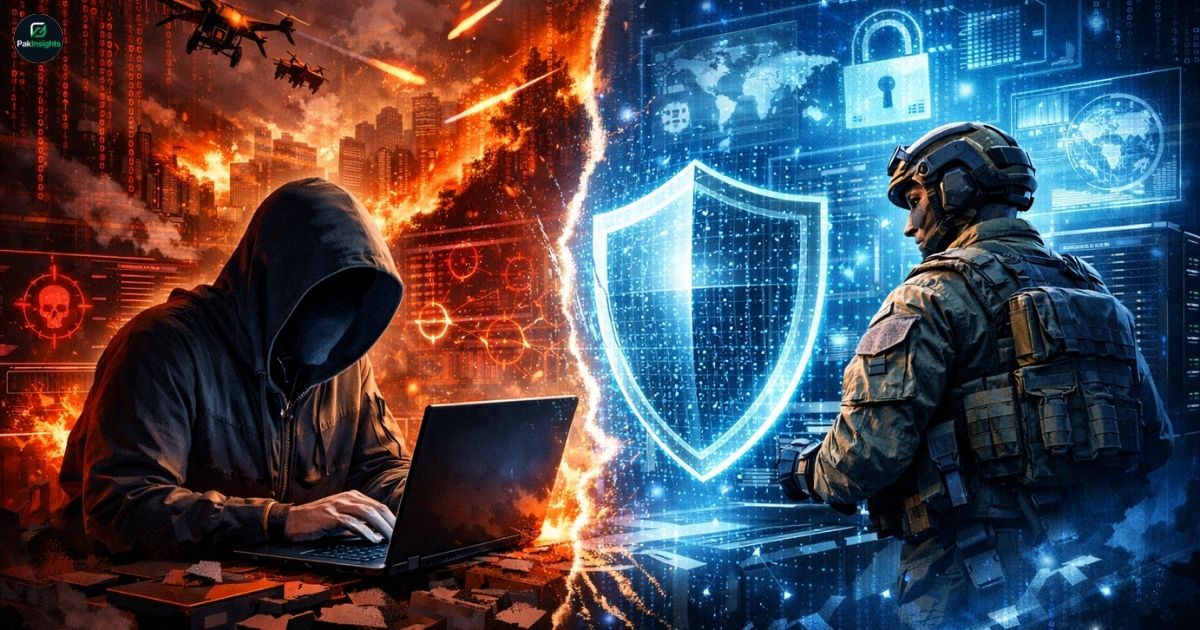
Cyber warfare has changed how nations fight. Wars are no longer just fought on battlefields. Today, digital attacks can damage economies, steal sensitive information, and disrupt entire societies. The rise of cyberwarfare has pushed governments, businesses, and individuals to rethink how they protect themselves. State-sponsored cyber attacks and nation-state attacks are now common, targeting everything from government networks to private companies. The USA, with its advanced critical infrastructure and global influence, faces unique threats. These threats range from ransomware attacks that halt hospitals and utilities to cyber espionage that steals secrets from defense agencies.
Digital defense is no longer optional; it is vital. Cybersecurity strategies now include multiple layers of protection, combining technology, training, and policy. Governments are investing heavily in AI in cybersecurity to detect threats in real time. Companies are securing their information networks and implementing multi-factor authentication, data backups, and security patches to minimize risks. Individuals are also learning how to protect their personal data, because even one weak password can invite a massive infrastructure disruption.
Understanding the Evolution of Cyber Warfare
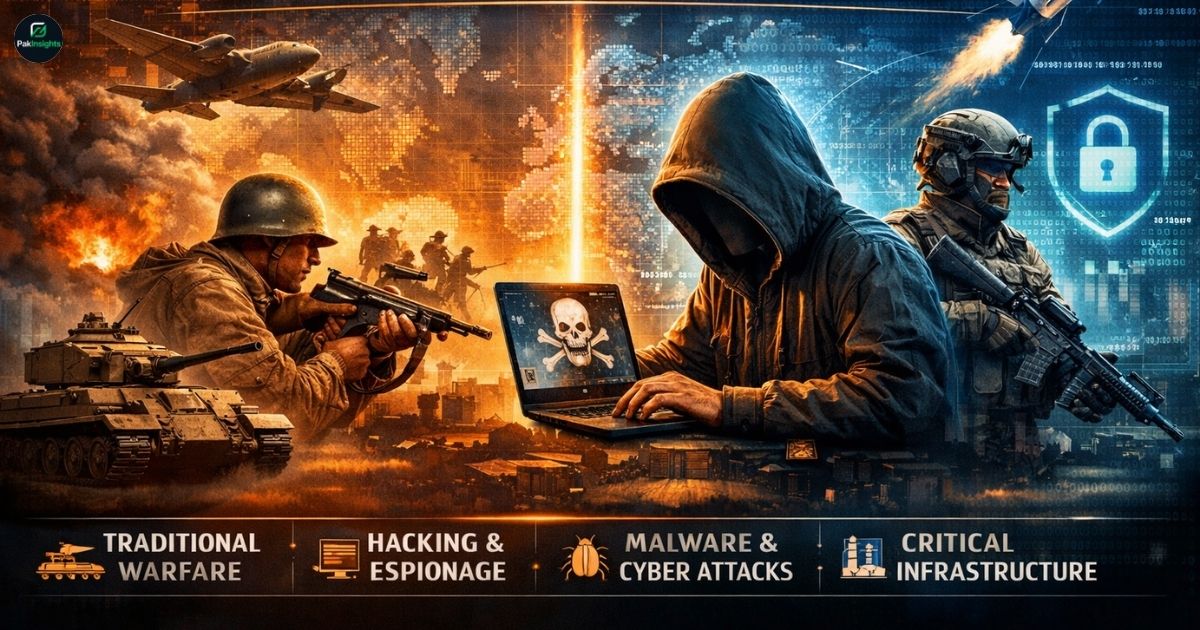
Cyber warfare started as small-scale hacks but has grown into a global challenge. Early attacks were simple, like defacing websites or stealing email data. Over time, digital attacks became more sophisticated. Today, cross-domain attacks can affect both physical and digital infrastructure. These attacks are designed to weaken enemies without firing a single bullet. Experts describe cyber warfare as “actions by a nation-state or international organization to attack computers”, targeting a nation’s critical infrastructure or economic systems.
The evolution is closely tied to technology. The USA has faced attacks from rival nations, hacktivist groups, and terrorist organizations. Covert cyber operations now include stealing trade secrets, influencing elections, and sabotaging utilities. Cyberwarfare also allows attackers to pursue political and economic objectives without the high costs of traditional war. Examples like Stuxnet, the SolarWinds breach, and Colonial Pipeline show how far state-sponsored cyber attacks can reach. These cases highlight the need for a strong cybersecurity workforce and training, focusing on detecting potential attack vectors before damage occurs.
Modern Cyber Threats and Vulnerabilities
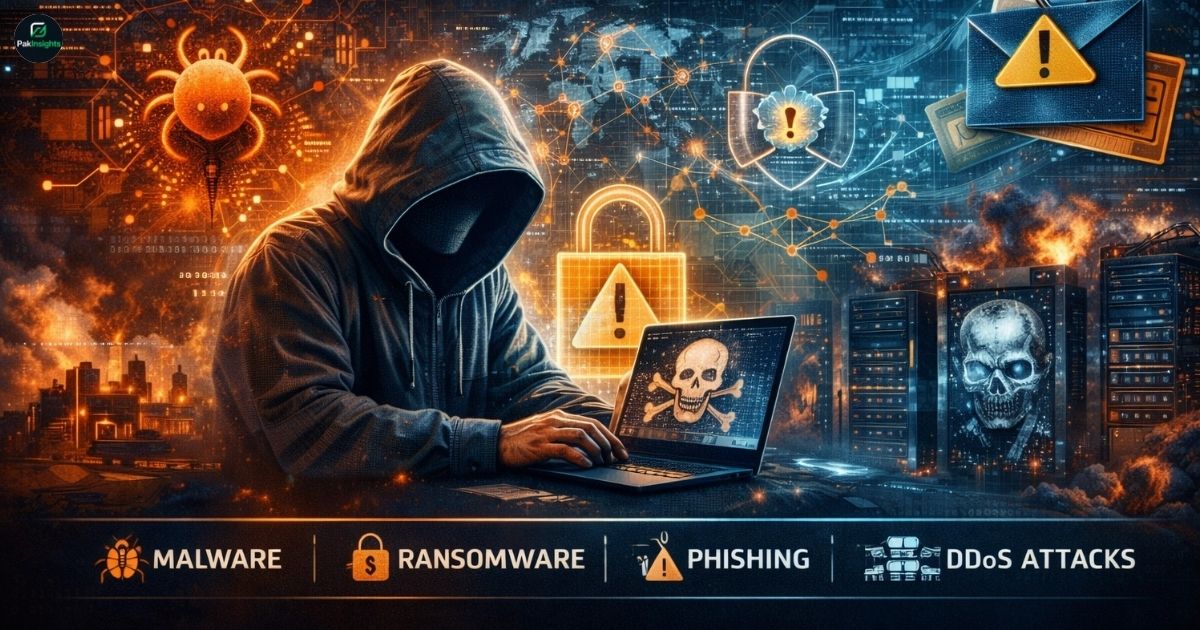
Today, threats are more dangerous than ever. Ransomware attacks can freeze banks and hospitals, while Denial-of-Service (DoS) attacks can shut down government websites. Deepfake attacks manipulate video and audio, spreading propaganda and disinformation campaigns that can sway public opinion. Attackers also exploit zero-day vulnerabilities, software flaws that no one has patched yet. Supply chain attacks target one company to affect many others, showing how interconnected the digital world has become.
Terrorism and cybercrime overlap with cyber warfare. Groups may use digital tools for financial system disruption, espionage and sabotage, or to create chaos for political gain. Hacktivism has also emerged as a tool to pressure governments or corporations. For example, Anonymous has carried out attacks that reveal corruption or disrupt operations. Each incident highlights the need for strong cyber threat detection and rapid response. Governments and businesses must work together, sharing intelligence to prevent large-scale infrastructure disruption and ensure national security.
Strategies and Technologies for Digital Defense
Defense is no longer just about firewalls and antivirus software. The USA now relies on advanced AI in cybersecurity to monitor threats constantly. Government agencies leverage AI-powered tools to identify unusual behavior, prevent breaches, and even predict attacks before they happen. Companies invest in corporate cyber defense, using multi-factor authentication, frequent data backups and security patches, and employee cybersecurity workforce and training. Individuals also have a role, from securing passwords to understanding securing sensitive information.
Innovation is key. AI-enhanced phishing attacks show how attackers can use technology against us, but AI also helps in threat mitigation. Organizations now follow cybersecurity strategies that combine detection, prevention, and recovery. Governments implement policies preparing for the new normal in foreign policy and national defense, while corporations strengthen information networks against covert cyber operations. A strong defense requires collaboration across sectors.
| Cyber Threat Type | Example | Potential Impact |
|---|---|---|
| Ransomware attacks | Colonial Pipeline | Halts fuel distribution |
| Cyber espionage | SolarWinds breach | Steals sensitive information |
| Denial-of-Service attacks | DDoS on government sites | Disrupts online services |
| Supply chain attacks | Targeted software updates | Widespread corporate damage |
| Deepfake propaganda | Election interference | Alters public perception |
Digital defense is more than tech; it’s a mindset. Threat mitigation strategies require constant vigilance, public awareness, and investment in AI tools. The USA’s ability to defend against nation-state attacks will determine its future security, economy, and global influence.
Frequently Asked Questions
Q1: What is cyber warfare?
Cyber warfare involves actions by a nation-state or organization to attack computers, disrupt networks, or damage critical infrastructure.
Q2: How does cyber warfare differ from traditional warfare?
Unlike traditional war, cyber warfare focuses on digital attacks, often achieving objectives without physical combat or casualties.
Q3: What are common types of cyber attacks?
They include ransomware attacks, Denial-of-Service (DoS) attacks, cyber espionage, and supply chain attacks.
Q4: Who is targeted in cyber warfare?
Targets include government agencies, critical infrastructure, corporations, and sometimes individuals who manage sensitive information.
Q5: How can organizations defend against cyber warfare?
Through AI-powered threat detection, multi-factor authentication, regular data backups, and comprehensive cybersecurity strategies.