
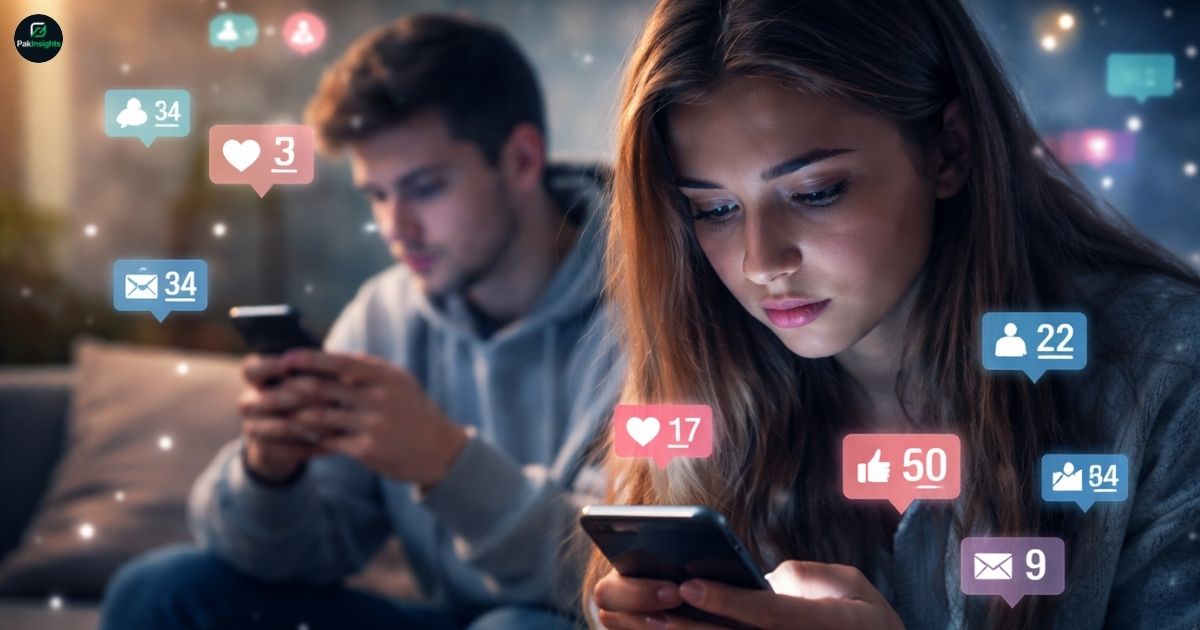
Smartphones and social media have become part of almost every American’s daily life. While these tools make communication easier and learning faster, they can also lead to Smartphone dependency and social media addiction. The constant urge to check notifications and scroll feeds can affect your mental health, making it harder to focus and relax. Recent studies show that adults spend over four hours a day on their phones, while teens can exceed seven hours, increasing the risks of adolescent screen habits issues.
Many people do not realize the harm caused by excessive online activity. Compulsive smartphone use is common in the USA, and it can cause sleep interference due to screen time, anxiety, and low self-esteem. The desire for validation through social media can distort self-image, leading to distorted self-image online and sometimes even depression linked to smartphone use. Understanding these effects is the first step to healthier digital wellbeing.
Understanding the Science of Smartphone Dependence
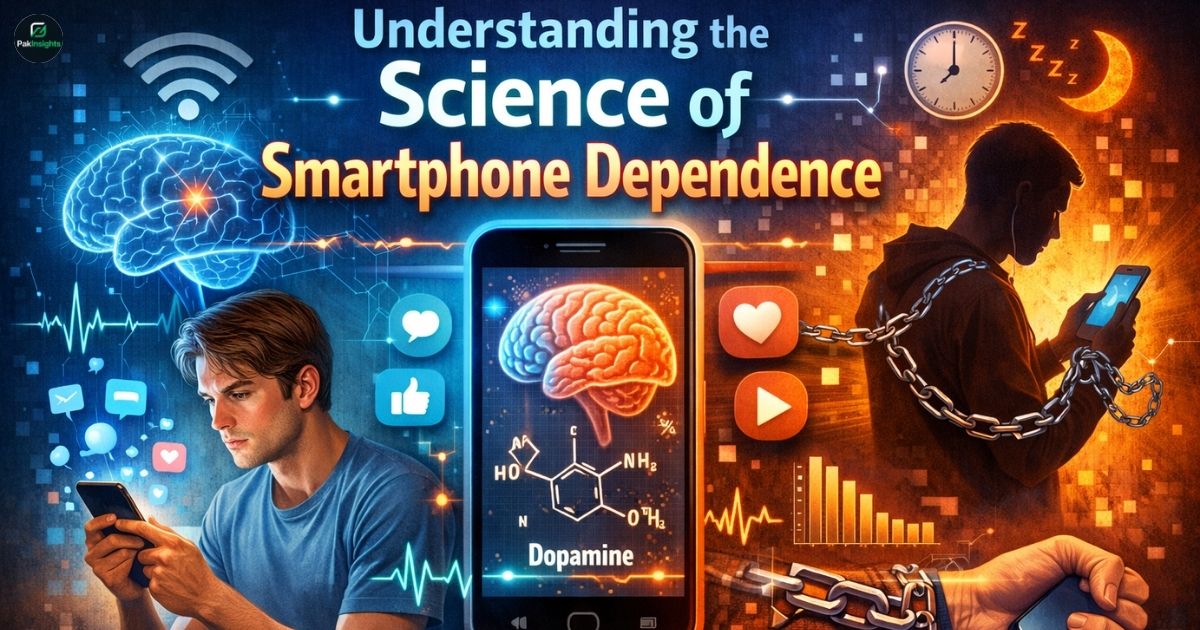
The brain reacts to smartphones in ways similar to addictive substances. Each notification or like triggers dopamine, creating a reward loop. This cycle reinforces online engagement patterns and encourages compulsive smartphone use. Over time, it becomes difficult to disconnect. Research in cyberpsychology shows that frequent checking of apps can affect the prefrontal cortex, which is responsible for decision-making and impulse control. In adolescents, prefrontal cortex development in adolescents is still ongoing, making teens especially vulnerable to social media addiction.
Excessive notifications and stress can lead to long-term health issues. Sleep disruption from devices is common because the blue light from screens affects circadian rhythms. Many teens report feeling anxious at night, while adults struggle with attention and productivity during the day. Tables show the correlation between screen time and health effects:
| Hours of Screen Time | Common Effects | Notes |
|---|---|---|
| 0–2 | Minimal impact | Healthy digital wellbeing |
| 3–5 | Mild stress, slight sleep interference | Watch for rising anxiety |
| 6–8 | Low self-esteem from social media, disrupted sleep | Risk of depression linked to smartphone use |
| 8+ | Compulsive smartphone use, loneliness from digital engagement | Seek therapeutic support |
Social and Emotional Factors Driving Excessive Use
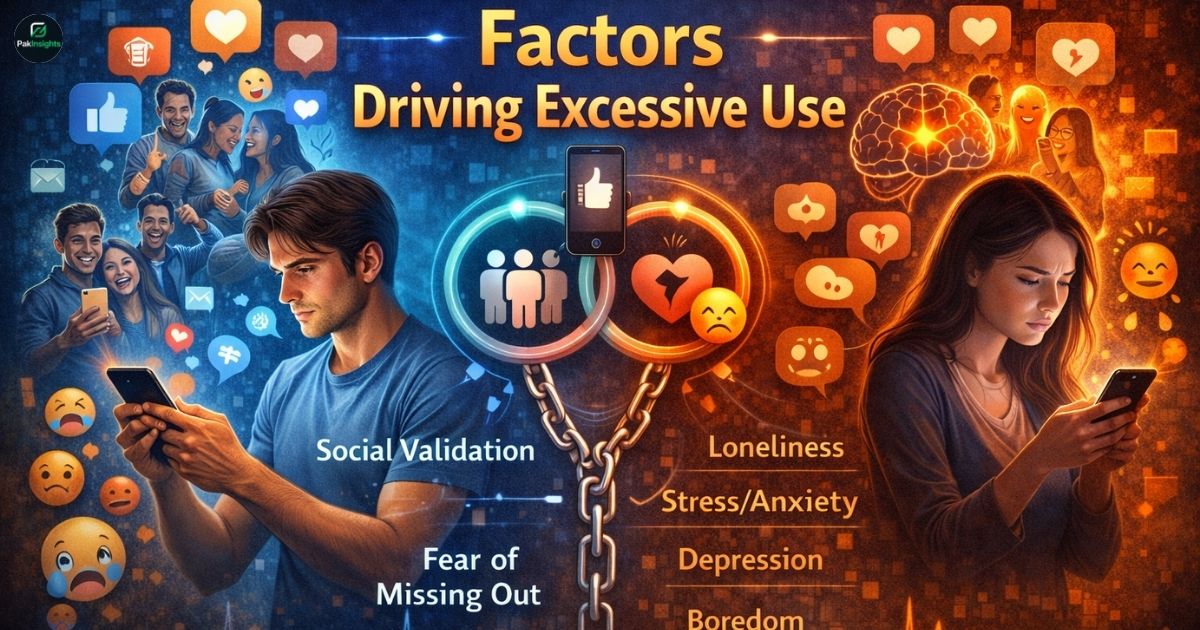
People often turn to smartphones and social media to fill emotional gaps. FOMO (Fear of Missing Out) drives constant engagement. Teens and adults alike feel pressure to compare themselves online, which increases social comparison online and leads to low self-esteem from social media. A distorted self-image online is a real problem as users judge themselves against filtered posts, causing feelings of inadequacy. Emotional triggers like boredom, loneliness, and anxiety often feed digital addiction.
Targeted advertising and financial stress can also worsen the situation. Algorithms push content that keeps users engaged, creating algorithm-driven content loops. Overexposure to notifications can increase anxiety and social media issues, while privacy concerns contribute to privacy concerns and paranoia. In teens, setting parental controls on devices and following behavioral guidelines for digital usage are critical for mitigating risks. Healthy, mindful technology use can preserve emotional well-being and technology balance.
Strategies to Overcome Smartphone Addiction
Breaking free from smartphone dependency requires consistent effort. Setting sundown times for teens’ smartphone use is one method of limiting access in the evening to reduce sleep interference due to screen time. Adults can schedule “phone-free” periods to focus on real-life activities and relationships. Healthy digital habits for children are important too. Teaching them digital literacy early can reduce social media addiction later.
Therapeutic support often includes therapeutic interventions for screen addiction, such as cognitive-behavioral therapy, mindfulness practices, and structured routines. Tracking usage and replacing online time with hobbies helps control compulsive smartphone use. For example, a family might create a weekly screen log and reward reduced phone time. Over time, these strategies improve mental health impact, reduce loneliness from digital engagement, and enhance overall digital wellbeing.
| Strategy | Purpose | Outcome |
|---|---|---|
| Screen time limits | Reduce exposure | Less anxiety, better sleep |
| Digital detox weekends | Break habit loops | Improved attention and mood |
| Mindfulness apps | Focus and calm | Lower stress, higher emotional control |
| Family behavioral guidelines | Teen usage control | Prevents social media addiction |
Frequently Asked Questions
Q1: What is smartphone and social media addiction?
It’s a condition where excessive phone use and online engagement disrupt daily life, sleep, and mental health.
Q2: How does excessive screen time affect mental health?
It can cause anxiety, social media stress, depression, low self-esteem, and sleep interference due to screen time.
Q3: Why are teens more vulnerable to social media addiction?
Because their prefrontal cortex development in adolescents is still ongoing, making impulse control and emotional regulation harder.
Q4: What is FOMO, and how does it impact users?
FOMO (Fear of Missing Out) drives constant checking of updates, increasing compulsive smartphone use, and emotional stress.
Q5: How can adults reduce smartphone dependency?
By setting screen limits, practicing mindful technology use, scheduling phone-free periods, and replacing digital time with hobbies.