
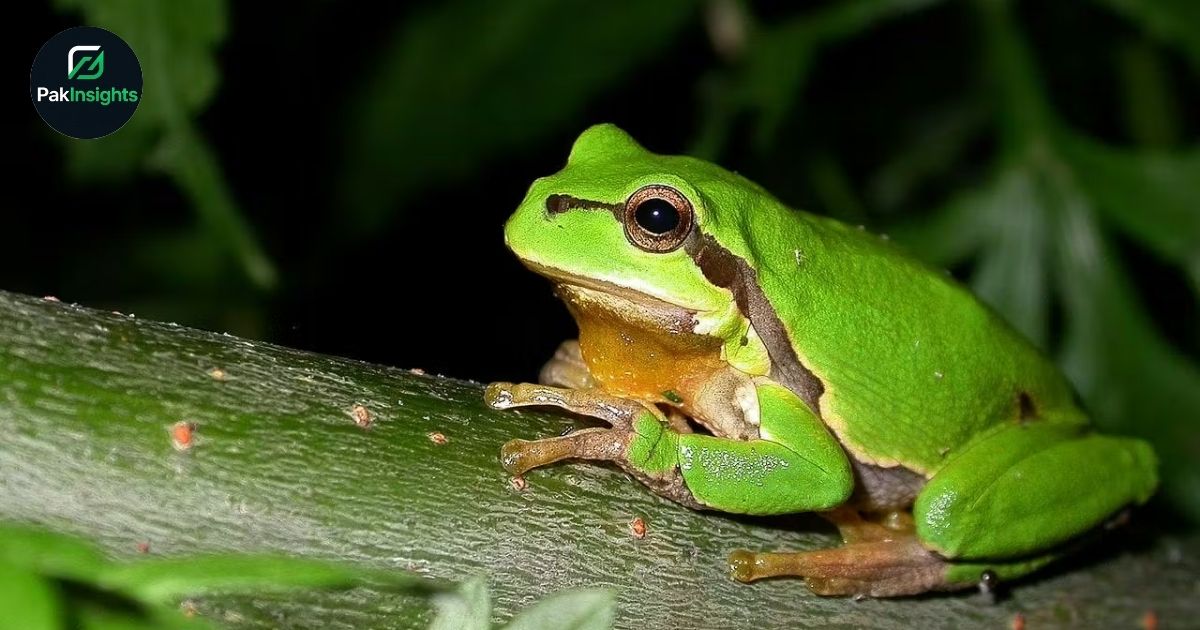
In a groundbreaking discovery, researchers have identified cancer-fighting bacteria in frogs that could revolutionize cancer research. The study revealed that a particular strain from the Japanese tree frog, named Ewingella americana, can suppress tumors in mice without causing harmful side effects. This discovery is part of a growing field exploring how amphibian bacteria and the gut bacteria of animals can be used for experimental cancer treatment and microbiome therapy. Scientists believe these findings could offer a chemotherapy alternative that works more effectively and safely.
The research is attracting global attention because it shows that nature’s own microbial ecosystems can have immense medical potential in bacteria. By studying amphibians and reptiles, including newts and lizards, researchers discovered that these animals rarely develop cancer. This sparked bacterial strain testing to identify which microbes could lead to tumor elimination. The findings, published in the journal Gut Microbes, suggest that the future of anti-cancer therapy may lie in natural immune-boosting bacteria rather than traditional drugs.
Breakthrough Discovery: How Frogs Are Helping in Cancer Research
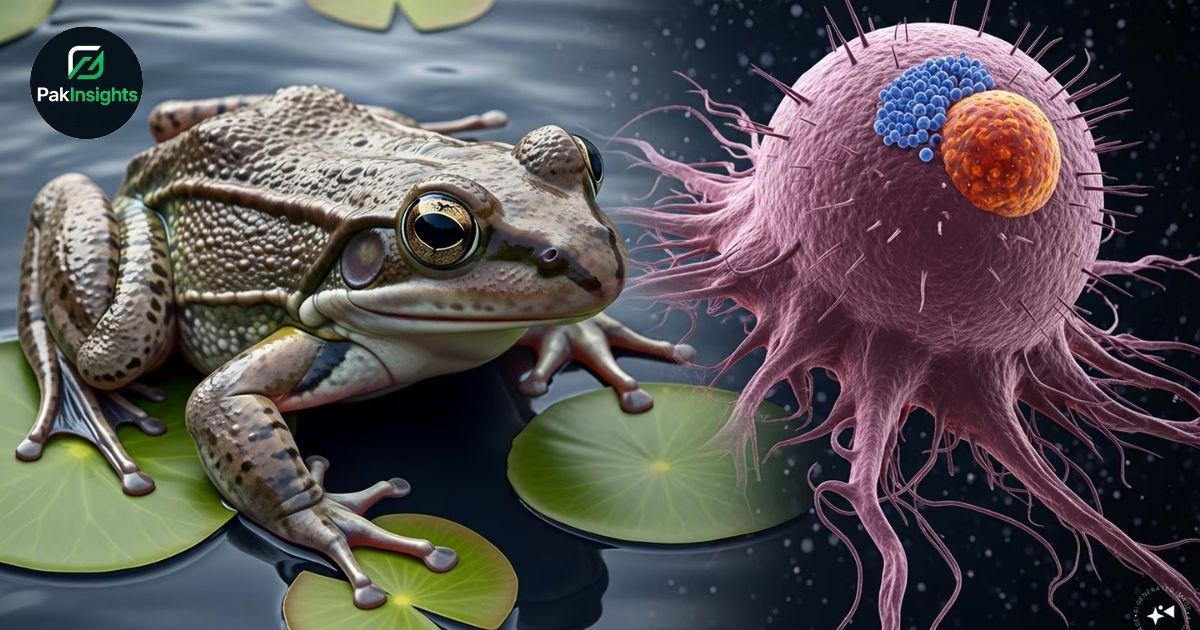
The Japanese tree frog has become a hero in modern cancer research. Scientists at the Japanese Advanced Institute of Science and Technology tested 45 bacterial strains from frogs, newts, and lizards. Nine of these strains showed strong anti-tumor bacteria activity. Among them, Ewingella americana stood out because it prevented tumors from returning even after a single-dose treatment. In animal studies, mice remained healthy and tumor-free for weeks, showing tumor-free results without toxic side effects.
This discovery highlights how amphibian bacteria can naturally provide tumor suppression. The bacteria work not only by directly killing cancer cells but also by enhancing immune system activation. This includes activating T cells, B cells, and neutrophils, which fight tumors and protect healthy organs. The findings suggest a huge potential for microbiome therapy and experimental therapy effectiveness, offering hope for future anti-cancer therapy that is safer than traditional chemotherapy.
The Science Behind Cancer-Fighting Bacteria
The mechanism behind Ewingella americana is fascinating. This bacterium can survive in low-oxygen tumor environments, where most drugs and immune cells struggle. Boosting immune system activation, it helps the body naturally attack cancer cells. Unlike chemotherapy, which often harms healthy tissue, this bacteria provides a toxicity-free treatment. Researchers compared it with traditional drugs like doxorubicin and found that the bacteria reduced tumors more effectively in mouse tumor studies.
Laboratory analysis revealed that gut bacteria from frogs can directly target tumor cells while stimulating immune-boosting bacteria. Biodiversity in medicine is key here, showing how natural microbial ecosystems can provide new solutions for human diseases. Scientists emphasize that a scientific breakthrough in cancer like this could change the way we treat tumors, offering experimental cancer treatment with fewer side effects and higher experimental therapy effectiveness.
Future Implications and Ongoing Research
The next step for this discovery is human clinical trials, but safety remains a concern due to infection risk in humans. Scientists are working to develop ways to deliver Ewingella americana safely. If successful, this could open doors to anti-cancer therapy that outperforms current chemotherapy drugs while being gentler on patients. Researchers are optimistic about using amphibian bacteria to create chemotherapy alternatives in the near future.
Beyond human medicine, this discovery underscores the importance of biodiversity in medicine. Protecting frogs and other amphibians ensures access to untapped microbial ecosystems with immense medical potential of bacteria. As research continues, the combination of animal studies, bacterial strain testing, and immune system activation may redefine experimental therapy effectiveness and set the stage for a new era in cancer research.
Table: Key Frog-Derived Cancer-Fighting Bacteria
| Frog Species | Bacterial Strain | Tumor Effect | Study Results | Effective in a low-oxygen tumor environment |
|---|---|---|---|---|
| Japanese tree frog | Ewingella americana | Tumor elimination | Tumor-free results, immune activation | Effective in low-oxygen tumor environment |
| Newts | Various strains | Partial tumor suppression | Mice tumor studies, temporary effects | Needs more testing |
| Lizards | Various strains | Limited | Minor tumor reduction | Early research stage |
This discovery of cancer-fighting bacteria in frogs offers hope for anti-tumor bacteria therapies and demonstrates the untapped potential of microbial ecosystems. With continued microbiology research, this breakthrough may provide safer experimental cancer treatment and redefine the future of cancer research globally.
Frequently Asked Questions
Q1: What cancer-fighting bacteria are found in frogs?
The bacteria are called Ewingella americana, discovered in the Japanese tree frog, and it helps eliminate tumors in mouse tumor studies.
Q2: How does this bacterium fight cancer?
It attacks cancer cells directly and boosts immune system activation, including T cells, B cells, and neutrophils, for natural tumor suppression.
Q3: Is it safe for humans?
Researchers caution about infection risk in humans, so human clinical trials are needed before it can be used as an anti-cancer therapy.
Q4: How is it better than chemotherapy?
Unlike traditional drugs like doxorubicin, it provides a toxicity-free treatment and can survive in low-oxygen tumor environments, making it a promising chemotherapy alternative.
Q5: What is the future potential of this discovery?
It could lead to experimental cancer treatment, safer microbiome therapy, and new anti-tumor bacteria therapies using amphibian bacteria.
Meta Description
Scientists identify cancer-fighting bacteria in frogs, offering a breakthrough in anti-tumor therapy and experimental cancer research.