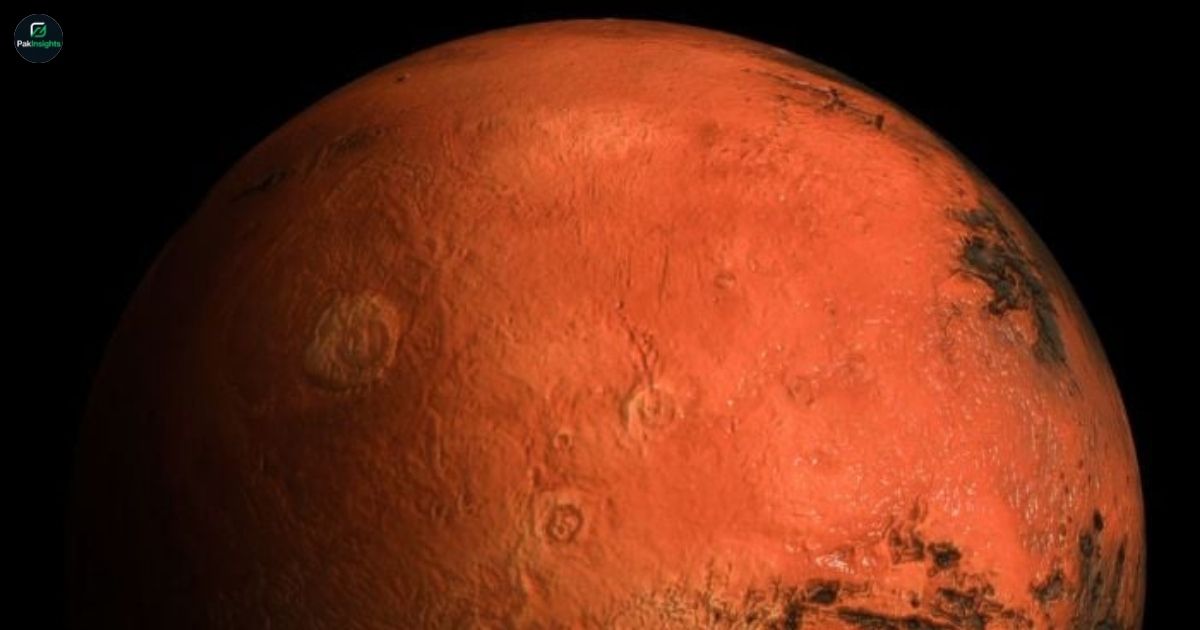
Regional Dust Storms Trigger Massive Hydrogen Escape on Mars, a discovery that reveals how the Red Planet lost much of its water. Recent research shows that localized storms push water vapor high into the Martian upper atmosphere, causing hydrogen to escape into space. This process contributes significantly to Mars atmospheric water loss and helps explain the planet’s transformation into a desert world.
Scientists observed this effect during Mars Northern Hemisphere summer of Martian year 37. A strong regional dust storm increased water vapor in the Martian middle atmosphere by ten times the usual amount. Shortly after, hydrogen levels spiked at the exobase boundary, showing a clear link between dust storms and hydrogen escape from Mars.
Geological evidence of water, including dry river channels on Mars and water-altered minerals, confirms that Mars once had abundant ancient water. But planet-wide dust storms and seasonal atmospheric variations gradually stripped the planet of its water. The atmospheric circulation patterns, combined with solar radiation interaction, accelerate the breakdown of water molecules in the upper atmosphere.
Shohei Aoki from the University of Tokyo, part of an international research team, explained that even small, short-term weather events can have lasting effects on Mars climate evolution. This hydrogen escape rate reveals the Red Planet’s desertification and planetary atmosphere loss over billions of years. Understanding these mechanisms helps scientists predict space weather events on Mars and their impact on future missions.
In conclusion, regional dust storms on Mars are not just dramatic weather—they actively drive water loss and reshape the planet’s climate. These findings clarify how Mars became a desert planet and highlight the importance of hydrogen spikes at exobase for atmospheric studies.