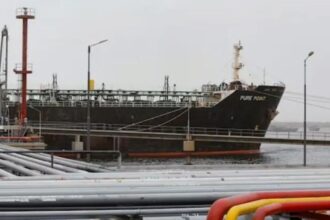

Qatar LNG Shutdown Triggers Record Spike in Global Energy Costs as Tensions Rise in the Middle East. QatarEnergy halted LNG production after Iranian airstrikes on a US military base. This sudden disruption caused European natural gas prices to jump nearly 50 percent, creating immediate energy market volatility. Asian LNG buyers, including Pakistan, also face uncertainty because LNG cargo availability is limited.
The QatarEnergy LNG production halt exposes a short-term LNG shortage across global markets. Saudi Arabia’s temporary oil facility closure added to the fuel supply disruption. European Union energy supply depends heavily on US LNG exports, which currently cover almost 60 percent of EU needs. Algeria and Azerbaijan LNG storage capacities provide some backup, but demand pressures remain high. Norway LNG rerouting helps, but March 2026 LNG demand could push prices even higher.
International diesel prices surged 17 percent as countries scramble to secure alternative energy sources. Analysts warn that if Qatar LNG production remains paused, energy prices spike could continue. Global energy market volatility affects households and industries, raising electricity and heating costs. Companies are adjusting procurement strategies, seeking LNG from secondary suppliers, and considering short-term fuel alternatives.
Governments and energy companies emphasize monitoring supply chains and using reserves effectively. Europe is partially insulated due to diversified LNG sources, but Asian LNG buyers risk delays and shortages. The situation highlights how geopolitical triggers in the Middle East can immediately impact energy markets worldwide.
In conclusion, the Qatar LNG shutdown triggers a record spike in global energy costs, showing the fragility of energy supply chains. Countries must act fast to manage fuel supply disruption and secure reliable LNG sources.