
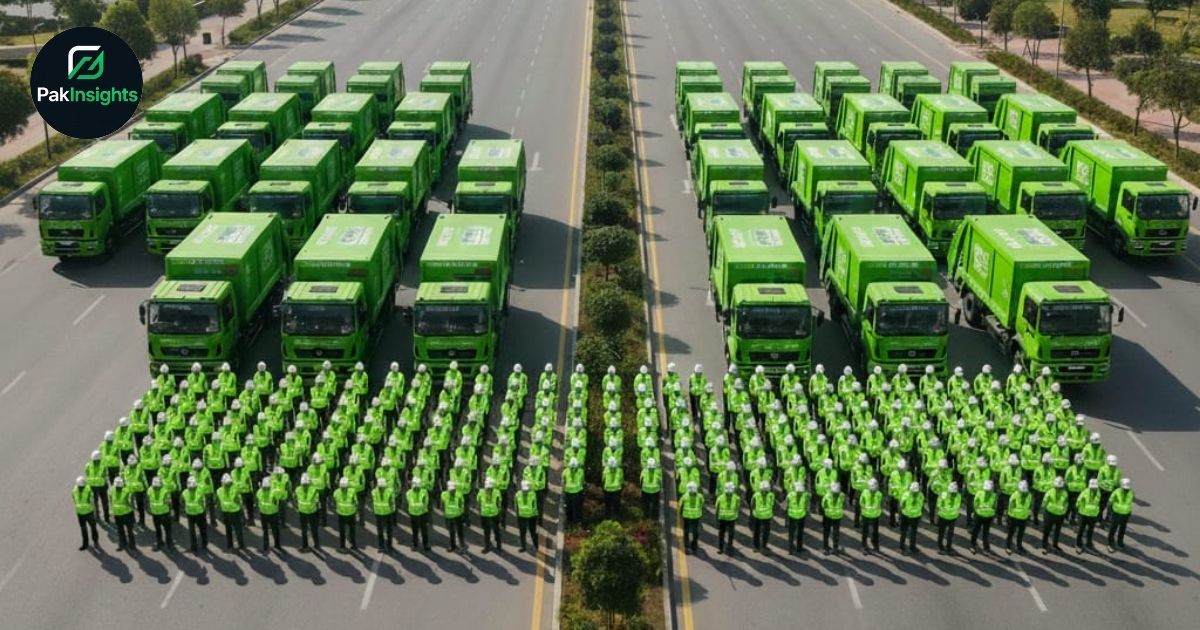
Punjab has emerged as a shining example of how smart governance and community collaboration can transform urban life. The Punjab government’s initiatives through the ‘Suthra Punjab’ program have now gained global attention. Forbes has praised the initiative for its scale and impact, highlighting how millions of residents now experience daily waste collection and cleaner streets. Within just eight months, the program has achieved remarkable pollution reduction, improved public health, and created over 100,000 jobs across the province.
This program is not only a benchmark for global waste management but also a learning opportunity for world leaders. Presented at COP30 recognition, it serves as a climate action model, showing how a blend of technology, public-private cooperation, and effective planning can produce tangible results. Clean Punjab is no longer just a vision; it is a reality that is changing how cities handle waste, recycle materials, and engage citizens in environmental sustainability.
How the ‘Suthra Punjab’ Initiative Became a Global Benchmark
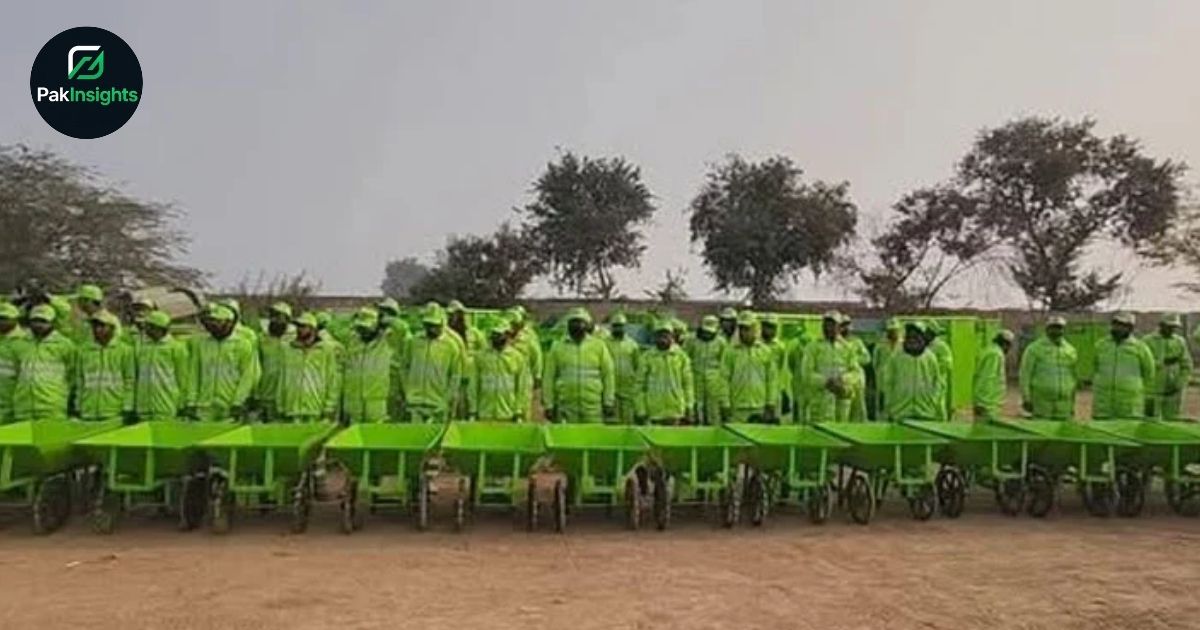
The success of Suthra Punjab is rooted in careful planning and strong government commitment. Punjab government initiatives ensured that 50,000 tons of waste daily were collected efficiently from cities and towns. Streets are cleaner than ever, thanks to organized street cleaning campaigns and regular monitoring. The initiative emphasizes sustainable urban development while generating employment opportunities and strengthening local economies through job creation.
At the heart of this transformation are public-private partnerships that drive innovation in waste management. Modern tools, sensors, and tracking technologies ensure daily waste collection reaches millions of households. By combining resources from the government and private sectors, the initiative has become a benchmark for global waste management. International recognition, including Forbes recognition, has further cemented its status as a model worth replicating worldwide.
Key Strategies Driving Punjab’s Waste Management Success
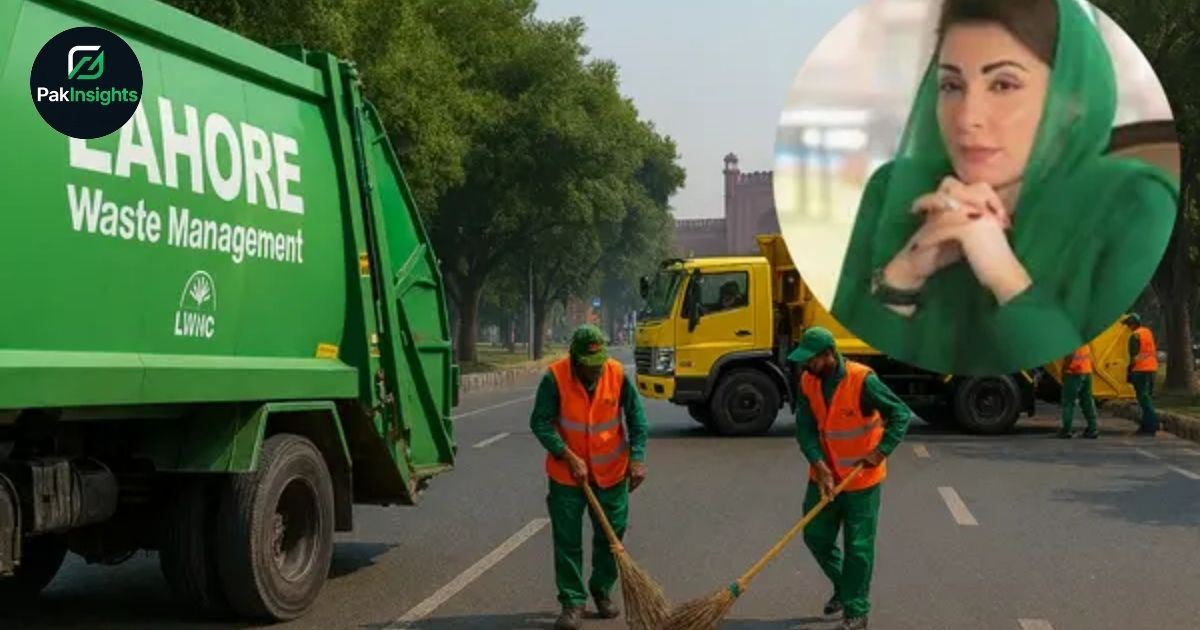
Suthra Punjab uses several innovative strategies that make it stand out. Waste-to-energy projects convert trash into power, providing sustainable energy while reducing landfill load. Modest user fees and public service grants encourage citizen participation, creating a sense of co-ownership. The program’s financing stack for waste management combines government funding, private investment, and revenue from energy projects. Transparency in waste authority ensures all funds are tracked via escrow account management, maintaining trust and accountability.
Pollution reduction efforts are matched by careful planning in urban operations. Streets are cleaned daily, garbage is sorted at source, and recyclable material is redirected to processing units. Carbon credits earned from environmentally friendly practices are reinvested, ensuring continuous improvement. The initiative has also generated over 100,000 jobs, benefiting laborers and managers alike, making it a truly inclusive model for sustainable urban development.
Global Recognition and Lessons for the World
The Suthra Punjab program has won applause globally. Forbes recognition highlighted it as the world’s largest integrated waste management system. During COP30 recognition, it was presented as a climate action model for urban sustainability. Leaders from across the globe now view Punjab as a case study for effective waste governance and citizen engagement. The program sets a benchmark for global waste management and serves as a learning opportunity for world leaders looking to implement similar strategies in their countries.
The impact extends beyond cleaner cities. Millions of residents benefit from safer streets, better sanitation, and efficient daily waste collection. The initiative demonstrates how a well-managed system can achieve pollution reduction, improve public health, and create job creation opportunities. Public-private partnerships and transparent fund management ensure the program remains sustainable and replicable. The success of Clean Punjab proves that even densely populated regions can achieve remarkable environmental and social outcomes when guided by strategic planning.
Financial Model Behind the Initiative
The Suthra Punjab initiative relies on a robust financial framework. Its financing stack for waste management blends public funds, private investment, and income from waste-to-energy projects. Citizens contribute through modest user fees, while the government provides public service grants to maintain efficiency. All money is tracked through escrow account management, ensuring transparency in waste authority.
This model supports operational excellence while maintaining accountability. By generating revenue through carbon credits and energy sales, the program reinvests in street cleaning and advanced waste management tools. This innovative system not only ensures 5that 0,000 tons of waste daily are managed effectively but also creates sustainable long-term benefits for millions of residents.
Table: Key Achievements of Suthra Punjab Initiative
| Achievement | Details |
|---|---|
| Daily Waste Collection | 50,000 tons of waste collected daily from cities and towns |
| Job Creation | Over 100,000 jobs generated for laborers, managers, and technicians |
| Energy Production | Waste-to-energy projects generate electricity and reduce landfill load |
| Environmental Impact | Significant pollution reduction and carbon credits earned |
| Global Recognition | Featured in Forbes and presented at COP30 as a climate action model |
| Funding & Transparency | Three-tier financing stack with escrow account management and public service grants |
Frequently Asked Questions
Q 1: What is the ‘Suthra Punjab’ initiative?
It’s a Punjab government initiative for daily waste collection and cleaner cities, promoting sustainable urban development.
Q 2: Why is Suthra Punjab recognized globally?
It received Forbes recognition and COP30 recognition as a climate action model and a benchmark for global waste management.
Q 3: How much waste does the program manage daily?
The program manages 50,000 tons of waste daily, keeping streets clean for millions of residents.
Q 4: How does the initiative create jobs?
It has 100,000 jobs generated through sanitation work, waste-to-energy projects, and public-private partnerships.
Q 5: How is the program funded and managed?
A financing stack for waste management with government funds, private investment, carbon credits, and escrow account management ensures transparency.
Meta Description
Punjab’s ‘Suthra Punjab’ initiative transforms waste management, earning global recognition for clean cities and sustainable development.