The decision to bring new wildlife to Lahore marks a fresh chapter for nature lovers across Pakistan and the USA who follow conservation trends closely. When officials announced that Punjab to Introduce New Animal Species at Lahore’s Wildlife Park, it sparked strong interest because the park has become a growing hub for research, tourism, and environmental education. Many visitors already admire the lush greenery, peaceful walking paths, and carefully managed enclosures, but the upcoming arrivals promise an even richer experience. The park’s history shows how much it has evolved from a simple recreational spot into a center guiding long-term ecological growth.
Teams working inside Jallo Wildlife Park have spent years improving habitats, studying bird behavior, and refining breeding systems to ensure every species thrives. Their efforts support stronger avian biodiversity conservation, especially for sensitive populations that need steady protection. With this new step, the Punjab Wildlife Department hopes to attract more researchers, families, and international tourists who want to explore rare creatures in a secure environment. As excitement grows, the coming months will reveal how these additions strengthen a broader wildlife expansion initiative and inspire deeper respect for nature in both nations.
Details of the New Animal Species Coming to Lahore’s Wildlife Park
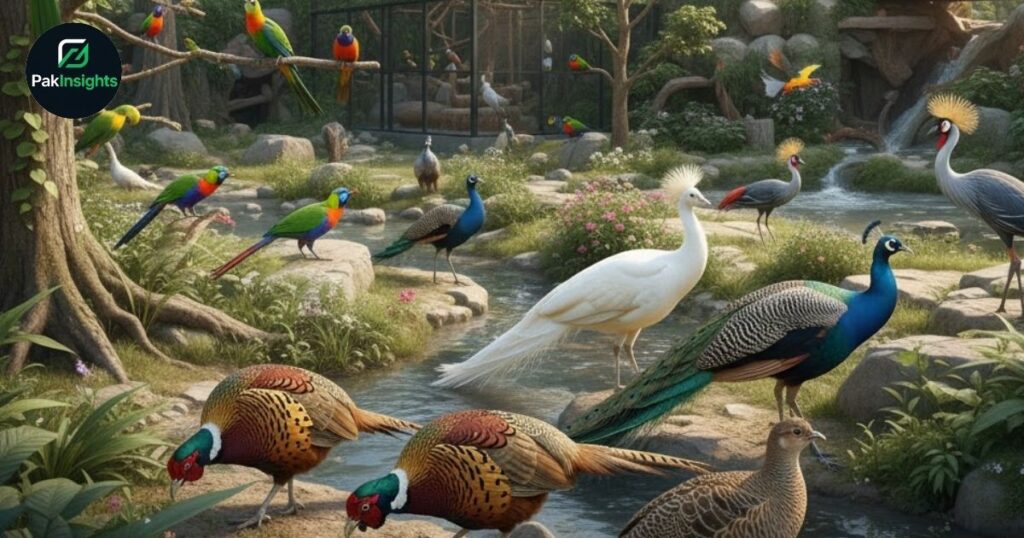
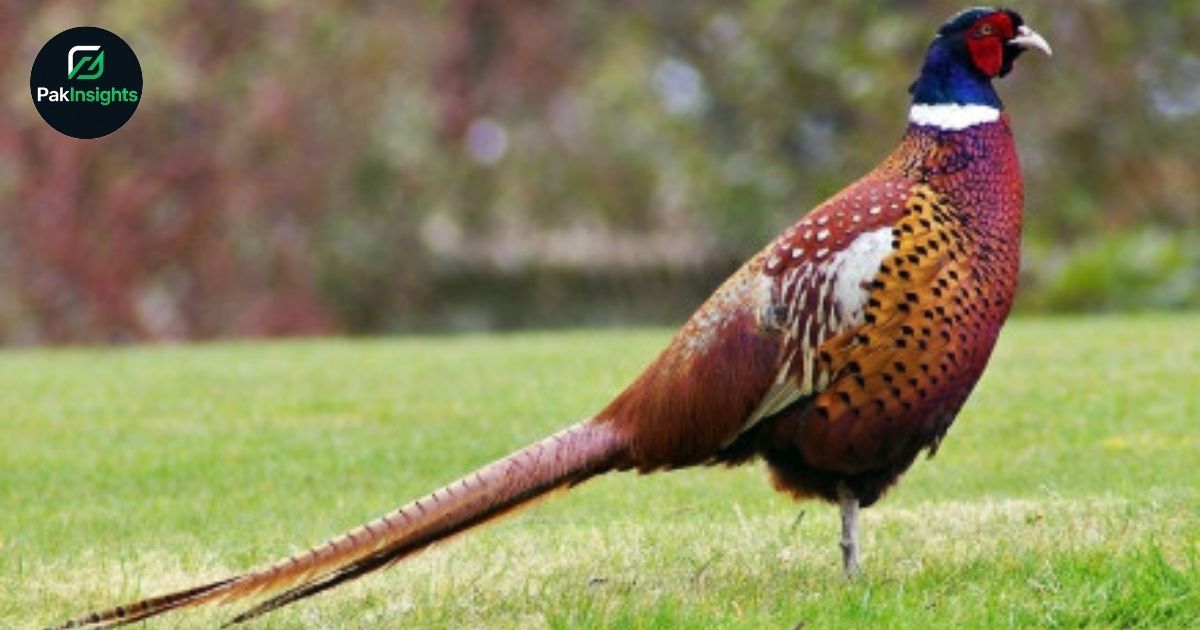
The park is preparing to welcome several new birds, including Swinhoe’s pheasant and Reeves’s pheasant, which are admired for their striking colors and gentle behavior. Their arrival strengthens Punjab conservation efforts because these birds come from regions where numbers are declining. They will live alongside existing pheasant varieties like silver pheasants, ring-necked pheasants, green pheasants, and yellow golden pheasants. Each species brings something unique to the ecosystem, and this wide mix supports the goal of strong avian species introduction programs.
The new birds support the growth of the park’s exotic bird collection, which already includes peafowls, francolins, and bobwhite quails. These additions help the bird breeding center deepen research on breeding, health, and adaptation. The careful work done at the bird hatchery in Lahore allows the team to study eggs, feeding patterns, and climate needs in a controlled breeding environment. This gives the park an advantage when compared with US parks that rely more on imported wildlife.
Infrastructure Upgrades and Habitat Development at the Wildlife Park
The park is undergoing major changes to support the new wildlife arrivals. The bird breeding facility is being redesigned with temperature-controlled rooms, wide enclosures, and new plant life that mirrors natural forests. These changes help the birds feel comfortable and reduce stress when they move to a new home. The upgrades will support the global standard of care that both American and Pakistani visitors expect at a wildlife site. Advanced lighting systems and natural shelters give the birds safe areas to rest and move freely without feeling threatened.
The conservation programme in Punjab is also improving veterinary labs, feeding stations, and water systems. This helps staff offer better care to every animal and improves the success rate of the captive breeding program. The park team now uses digital tools to track growth, health, and behavior, which helps researchers compare how birds react in Pakistan and in US wildlife parks. These improvements make Jallo Wildlife Park a leading example of modern habitat development in South Asia.
Environmental, Educational, and Tourism Impact of the New Additions
The introduction of new species will increase visitor attraction in Lahore because people enjoy seeing animals that are not found anywhere else in the country. As more families, students, and foreign tourists visit the site, the park will generate more revenue that supports biodiversity protection. This also encourages environmental awareness among students from both Pakistan and the USA who want to study natural sciences. The presence of rare species strengthens the park’s identity as a research and learning center where people can understand the delicate balance of ecosystems.
The educational impact goes much deeper. Teachers and wildlife experts now work together to create mini-programs where students can observe bird behavior, feeding habits, and survival strategies. This hands-on learning is powerful because it allows young people to get close to nature in a safe place. As more species arrive, new modules will be added to help visitors understand topics like migration, breeding, and the importance of protecting exotic bird species around the world.
Challenges, Timeline, and Future Plans for Wildlife Conservation in Punjab
The expansion project also carries several challenges. Weather changes in Pakistan sometimes make it difficult for foreign birds to adapt quickly. Staff members must monitor these species closely to ensure they adjust well to their new surroundings. Another major challenge is funding, because imported species, advanced habitats, and staff training require steady resources. The Punjab government has created a timeline that splits the project into phases so that changes can be managed smoothly.
The future of the wildlife park looks promising. Plans include the introduction of more birds and possibly small mammals that fit the ecological structure of the region. Long-term goals involve making the park a global hub where scientists from the USA and Pakistan can share data and improve conservation ideas. This will help bring new energy to wildlife expansion initiative programs and support the growth of Pakistan as a leader in environmental care.
Sample Table: Key Species and Their Origins
| Species Name | Origin Region | Conservation Status | Habitat Type |
| Swinhoe’s pheasant | Taiwan | Near Threatened | Forested slopes |
| Reeves’s pheasant | China | Vulnerable | Mountain forests |
| silver pheasants | Southeast Asia | Least Concern | Tropical forests |
| peafowls | South Asia | Least Concern | Grasslands and forests |
Frequently Asked Questions
Q1: What new species are being introduced at Lahore’s Wildlife Park?
The park is introducing rare birds, including Swinhoe’s pheasant and Reeves’s pheasant, along with plans for more species in future phases of the project.
Q2: Why is Punjab adding new animal species to the park?
The goal is to strengthen conservation, support avian biodiversity, and improve research, tourism, and educational opportunities for both Pakistani and international visitors.
Q3: What role does Jallo Wildlife Park play in conservation?
Jallo Wildlife Park runs a strong breeding and research program that protects rare and exotic birds while supporting long-term ecological growth.
Q4: Will these new species adapt to Pakistan’s climate?
Experts have created controlled habitats and climate-managed enclosures to help foreign species adjust safely and comfortably.
Q5: Is the expansion plan part of a larger conservation strategy?
Yes, the project is under a broader wildlife expansion initiative led by the Punjab Wildlife Department to improve species diversity across the province.
Meta Description
Punjab to introduce new animal species at Lahore’s Wildlife Park, boosting conservation, tourism, and rare wildlife protection.