Pakistan Seeks Extension on $1.2B Saudi Oil Payment Facility, as Islamabad looks to ease external payment pressures and support its balance of payments. The government has formally requested the Saudi Fund for Development to extend the deferred oil payment facility for another year. This move aims to stabilize Pakistan’s foreign exchange reserves and manage rising energy import costs. Analysts say such extensions play a key role in Pakistan-Saudi financial cooperation.
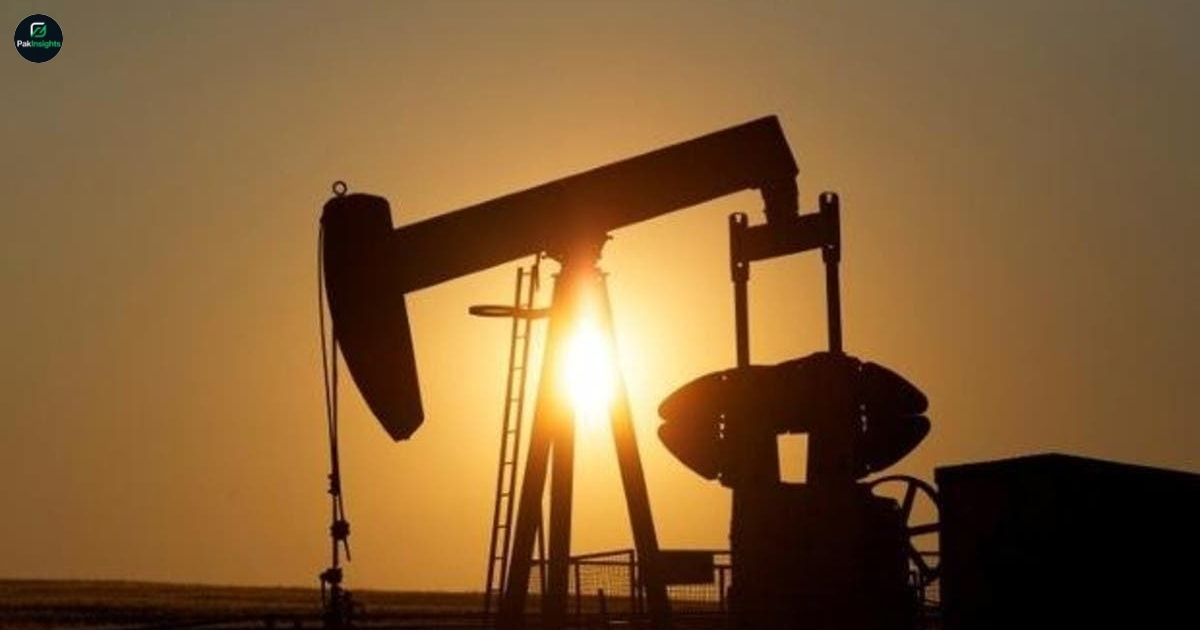
Petroleum imports from Saudi Arabia form a major portion of Pakistan’s import bill. Under the current agreement, $1.2 billion in oil credit is due to expire in March 2026. Pakistan’s economic team is negotiating terms to extend deferred payments until February 2027. If approved, the extension would help reduce external payment pressure and support financial stability in Pakistan.
The request comes amid a broader push to manage foreign loans and comply with International Monetary Fund (IMF) program conditions. Recently, Pakistan also sought the rollover of a $2 billion loan from the UAE, highlighting its focus on balancing fiscal obligations. Experts note that timely payment facility extensions can boost foreign reserves, mitigate fiscal pressure, and maintain confidence in Pakistan’s economic outlook.
Bilateral financial support from Saudi Arabia and other partners ensures Pakistan can manage oil import payments without triggering severe economic disruption. Analysts emphasize that consistent cooperation strengthens trade and strategic ties, while giving the government space to focus on long-term economic reforms.
In conclusion, Pakistan seeks an extension on the $1.2B Saudi oil payment facility to safeguard its balance of payments and foreign reserves. If successful, this extension will support fiscal stability, manage energy import costs, and reinforce Pakistan-Saudi economic collaboration.