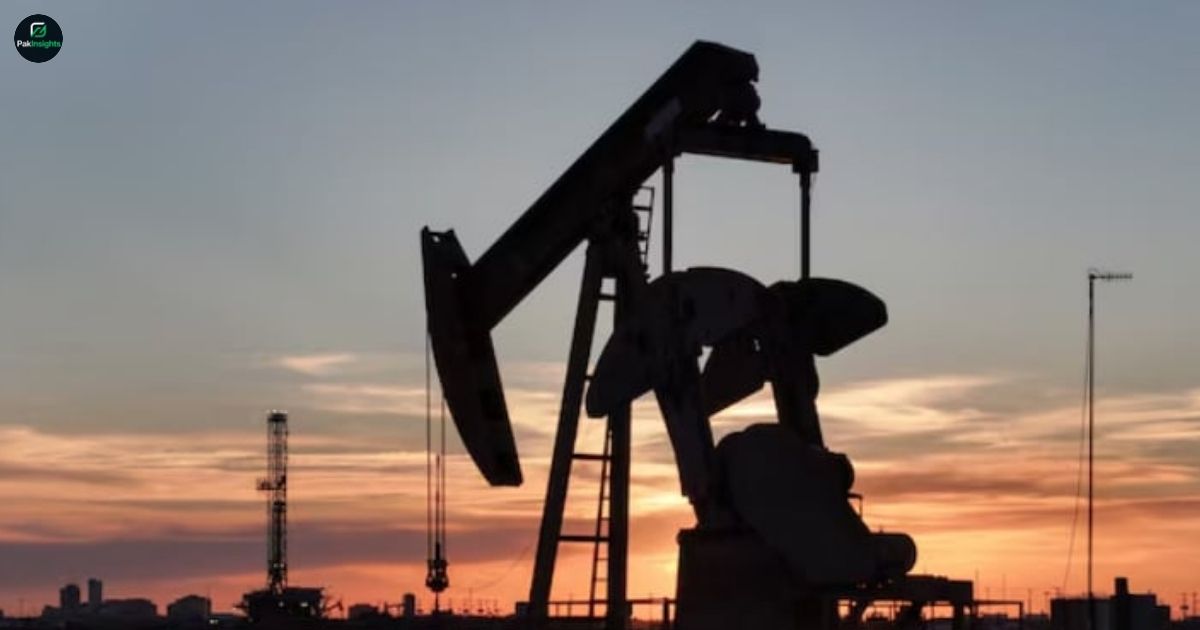
Oil Prices Fall as Iran Nuclear Negotiations Progress and US Tariff Uncertainty Weighs on Markets, reflecting growing investor caution across global oil markets. The decline in energy prices shows how geopolitical events and trade policies influence supply expectations. Oil prices dropped as nuclear negotiations advanced, and tariff concerns increased market volatility.
Brent crude benchmark and West Texas Intermediate crude oil futures both slipped about 1% in early trading. Analysts linked the drop to easing geopolitical tensions between Washington and Tehran. However, uncertainty remains because fears of military conflict have not disappeared completely.
US-Iran tensions continue to shape the oil demand outlook and supply and demand balance. Iran signaled possible concessions in exchange for sanctions lifting expectations. Increased Iranian oil exports could add supply, so the oil market risk premium may decline. According to Vandana Hari of Vanda Insights, prices still carry geopolitical risk due to regional military presence.
Trade developments also pressured markets. Donald Trump announced higher import tariffs after a US Supreme Court ruling affected earlier policies. These measures raised global economic growth fears and investor risk aversion. As a result, commodity market sentiment weakened, and equity futures declined alongside oil.
Meanwhile, IG Markets analyst Tony Sycamore noted tariffs created short-term pressure on crude prices. Gold price movement also reflected rising uncertainty in financial markets. China’s trade response added another layer of international trade tensions.
Diplomatic efforts continue, with talks expected in Geneva, confirmed by Badr Albusaidi. These negotiations could reshape oil supply expectations if sanctions ease. Therefore, investors remain cautious but attentive to policy updates.
In conclusion, oil prices remain sensitive to diplomatic negotiations and trade policies because both affect supply and demand expectations. Future movements will depend on geopolitical stability and economic confidence worldwide.