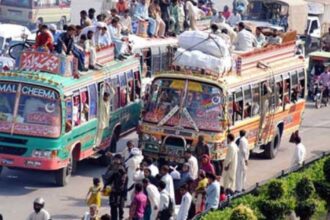
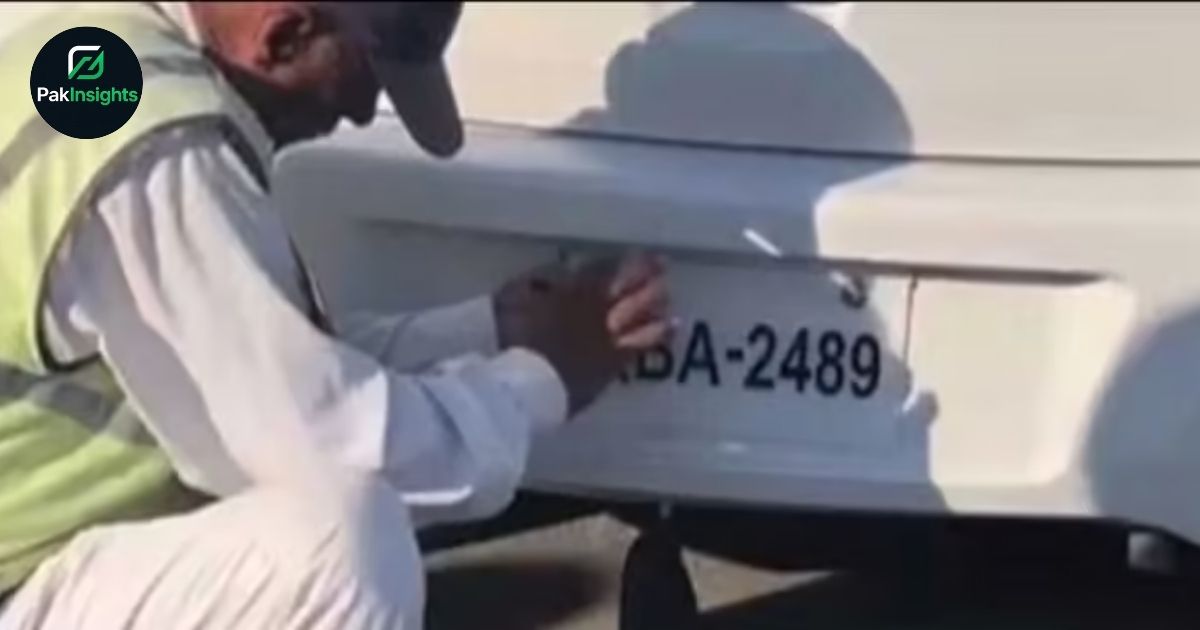
The new smart system to detect fake number plates in Karachi is transforming the way traffic violations and vehicle-related crimes are managed in the city. With rapid urbanization and an increasing number of vehicles on the roads, Karachi has faced a rise in fake number plate detection, making it challenging for authorities to track offenders and prevent crimes effectively. Under the Safe City project in Karachi, the government has deployed advanced smart surveillance vehicles equipped with IP-based cameras that can scan and flag suspicious vehicles within seconds.
These cameras work in tandem with the Excise Department vehicle records, ensuring that each plate matches its registered vehicle. The system is capable of identifying tampered number plates, stolen vehicles, and cars involved in illegal activities, enabling the Karachi Traffic Police to act quickly. By integrating real-time monitoring, automated alerts, and a centralized data system, this technology not only enhances street crime reduction in Karachi but also improves road safety for all drivers. For residents and visitors alike, the system promises safer streets and faster police response to traffic-related offenses.
How Karachi’s New Number Plate Detection System Works
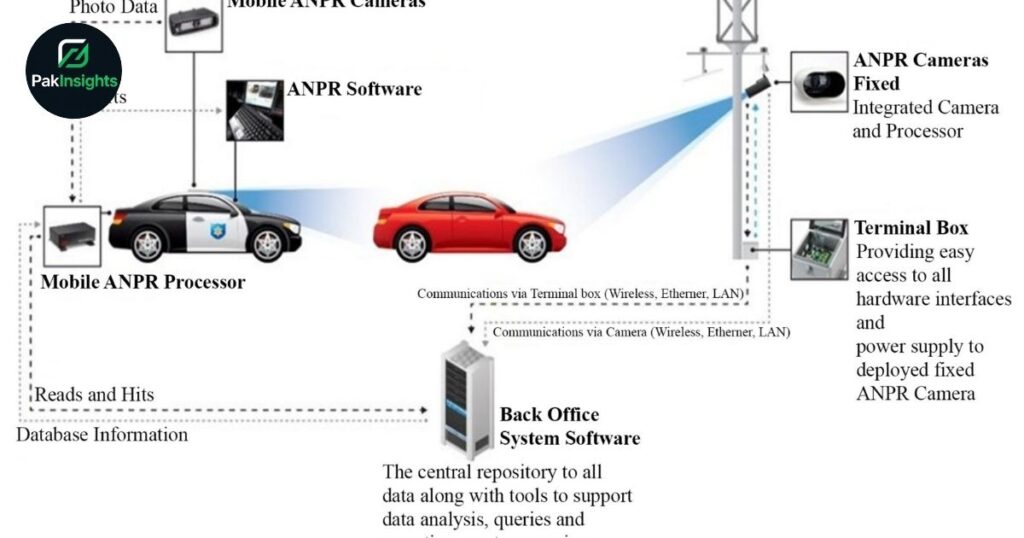
The new smart system to detect fake number plates in Karachi works by using advanced tools, including automated number plate recognition, AI-driven analytics, and a fully integrated vehicle monitoring system. The process begins when high-resolution surveillance cameras positioned across major roads capture each passing vehicle. These cameras feed data into a central database using IP-based cameras, ensuring that the image quality remains sharp enough to detect tampered number plates in seconds. Once scanned, the system compares the number instantly with the official Excise & Taxation Department database. Any mismatch triggers real-time camera alerts, allowing units to act before the vehicle slips away. This mirrors the fast-response technology seen in U.S. policing networks, where accuracy and speed are essential.
To help readers understand the technology better, here’s a comparison table showing how Karachi’s system aligns with traffic tools widely used in the United States:
| Feature | Karachi’s New System | Similar U.S. Practice |
| Instant plate scan | automated number plate recognition | ALPR cameras in major cities |
| Tamper detection | Identifies fake number plates detection | Used in Florida, California, New York |
| Live alerts | vehicle flagging technology | Police dispatch alerting |
| Mobile monitoring | smart surveillance vehicles | Used in Florida, California, and New York |
Core Technologies Behind the Detection Process
The engine powering the new smart system to detect fake number plates in Karachi combines U.S.-style automation with Pakistan’s growing digital infrastructure. The city uses smart traffic system software, high-speed networks, and central servers capable of handling thousands of scans per minute. When a suspicious plate appears, officers receive a fast warning for police interception, helping them stop cloned plates, tax evasion, or hidden criminal activity. Because these tools are linked to national registries, the system also helps authorities support stolen and snatched vehicles, which has been a major challenge in the region. This type of unified enforcement mirrors the ecosystem found in modern U.S. cities that rely on quick decisions to maintain order and public safety improvements.
Why the System Was Introduced: Rising Concerns Over Fake Plates
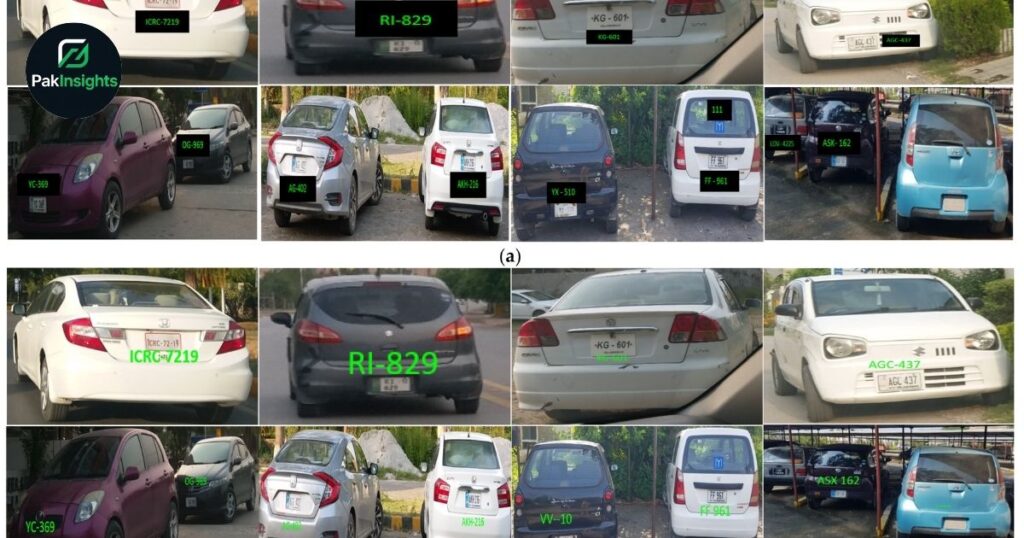
The new smart system to detect fake number plates in Karachi wasn’t created out of convenience; it emerged out of urgency. The rise in fake number plate detection cases made enforcement incredibly difficult. Vehicles carrying false identities often played roles in robberies, kidnappings, and weapon smuggling. Similar problems occur in parts of the United States, where plate cloning is used for toll evasion or criminal escape. Karachi’s move to technology reflects what many U.S. cities learned years ago: strong digital monitoring becomes necessary when crime syndicates exploit manual loopholes. Cases involving black-tinted windows violations, unregistered cars, and tampering increased enough to push the authorities toward a smarter model of enforcement.
During the shift, DIG Traffic Pir Muhammad Shah highlighted how the old system relied on outdated, non-digital footage that often blurred crucial details. Officers had to pause and replay the video manually, making it impossible to track moving offenders quickly. But with the new setup, everything from stolen cars to mismatched plates becomes easier to detect. And because the platform supports Safe City surveillance, the upgrades link directly to the broader Safe City project Karachi, which aims to deploy thousands of cameras across major routes. If you compare this with large-scale American surveillance networks like Chicago’s Operation Virtual Shield, you’ll see how Karachi is following a well-established modern blueprint.
The Scale of Fake Plate Problems in Karachi
The extent of the problem pushed the government toward digital reform. It wasn’t just one or two cases of Mehran number plate misuse or FX car identity swapping; it was a full-blown wave of traffic violations detection that slowed investigations. Criminals used minor plate tampering to pass through checkpoints undetected. A similar pattern exists in the U.S., where cloned plates often appear on getaway cars or stolen vehicles. What changed Karachi’s situation was the system’s ability to detect errors instantly and forward data to Karachi Traffic Police, building a transparency layer that never existed before. This shift supports street crime reduction in Karachi, showing how digital tools can protect millions.
Key Features & Capabilities of the New Surveillance Network

The strength of the new smart system to detect fake number plates in Karachi lies in its integrated network. The platform uses powerful surveillance cameras positioned across major intersections and surveillance zones. Each camera records every vehicle, captures plate details, and pushes the data into a central server that checks authenticity in real time. The moment the system finds inconsistencies, officers receive live updates, letting them act before offenders disappear into the city’s dense traffic. As seen in various states in the U.S., real-time alerts significantly increase arrest success rates and make road monitoring far more reliable than manual checks.
Karachi’s approach includes mobile units equipped with smart surveillance vehicles that roam high-risk areas, scanning every nearby car automatically. These mobile forces act as moving checkpoints, much like automated patrol vans used on U.S. highways. Because the system relies on traffic enforcement technology, every intercepted vehicle gets checked thoroughly, and digital logs form a strong foundation for future investigations. This is a major update over the previous system, which depended entirely on officer judgment. The new model not only catches offenders but also helps build cleaner, safer roads through continuous public safety improvement.
Smart Surveillance Vehicles & Their Role
The mobile units running the new smart system to detect fake number plates in Karachi serve as the city’s digital frontline. These vans use advanced scanning tools, computer dashboards, and high-quality IP-based cameras to track suspicious vehicles silently. By pairing real-time scanning with automated data matching, officers gain immediate access to vehicle histories, ownership details, and violation logs. This helps them stop illegal vehicles on the spot and maintain cleaner records across the Karachi traffic surveillance system. U.S. cities depend on similar mobile platforms to catch repeat offenders who attempt to evade fixed-camera areas, proving that Karachi’s model follows a global trend.
Impact on Karachi’s Traffic Management & What Drivers Should Expect
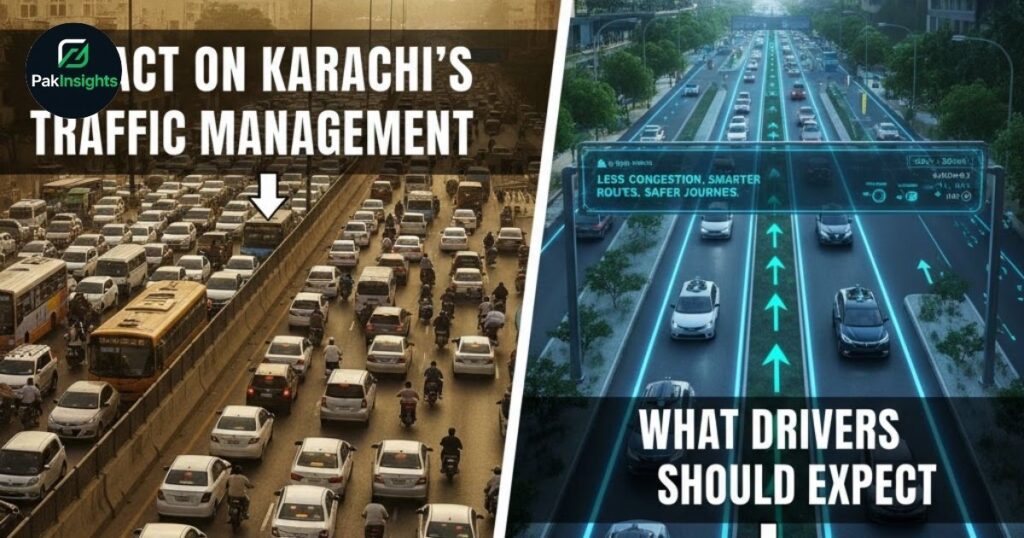
Karachi’s decision to deploy the new smart system to detect fake number plates in Karachi is already improving how traffic flows. With digital detection in place, drivers have fewer opportunities to exploit loopholes. For U.S. readers, this may feel familiar because when American cities adopted digital ALPR networks, driver compliance also increased. Karachi’s equivalent system ensures that every vehicle meets legal standards and passes through checkpoints transparently. Drivers must now ensure that their plates match registration records, their documents remain updated, and their cars carry no modifications that violate national laws. This makes enforcement quick and avoids unnecessary road delays.
Authorities believe the changes will encourage stronger driver discipline and reduce cases involving cloned plates or disguised identities. The long-term goal is to support modern traffic monitoring in Karachi, turning it into a region-wide example of digital mobility. As authorities deploy more cameras and strengthen the Safe City project in Karachi, the city moves closer to achieving full vehicle monitoring system automation. For U.S. readers, this project is a reminder that even developing countries can leap ahead when they embrace digital upgrades and invest in data-driven law enforcement.
Immediate Outcomes Expected After Implementation
As the new smart system to detect fake number plates in Karachi becomes fully active, the city expects faster case resolutions, fewer loopholes, and increased trust between citizens and law enforcement. Officers will handle more cases in less time, and the city’s growing database will help track trends that previously remained hidden. Karachi’s journey shows how technology, when used wisely, becomes a powerful tool for safer, smoother streets.
Frequently Asked Questions
Q1: How does Karachi’s new system detect fake number plates?
The system uses automated number plate recognition, IP-based cameras, and real-time data from the Excise Department vehicle records to instantly flag mismatched or tampered plates.
Q2: What is the Safe City project in Karachi?
It’s a government initiative deploying smart surveillance vehicles and cameras across major intersections and surveillance points to improve road safety and reduce crime.
Q3: Can this system detect stolen or snatched vehicles?
Yes, it helps with stolen and snatched vehicles by cross-checking plate numbers against official databases and sending real-time camera alerts to authorities.
Q4: What should drivers do to comply with the new system?
Drivers must ensure their number plates match registration records, avoid tampering, and keep all vehicle documents updated.
Q5: How quickly are violations detected?
The system identifies tampered number plates and mismatched vehicles within seconds, allowing the Karachi Traffic Police to respond immediately.
Meta Description:
Karachi launches a smart system to detect fake number plates, improve traffic safety, and catch tampered vehicles fast.