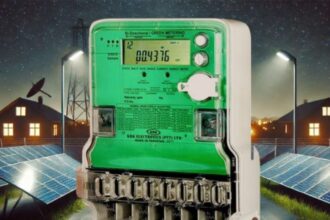
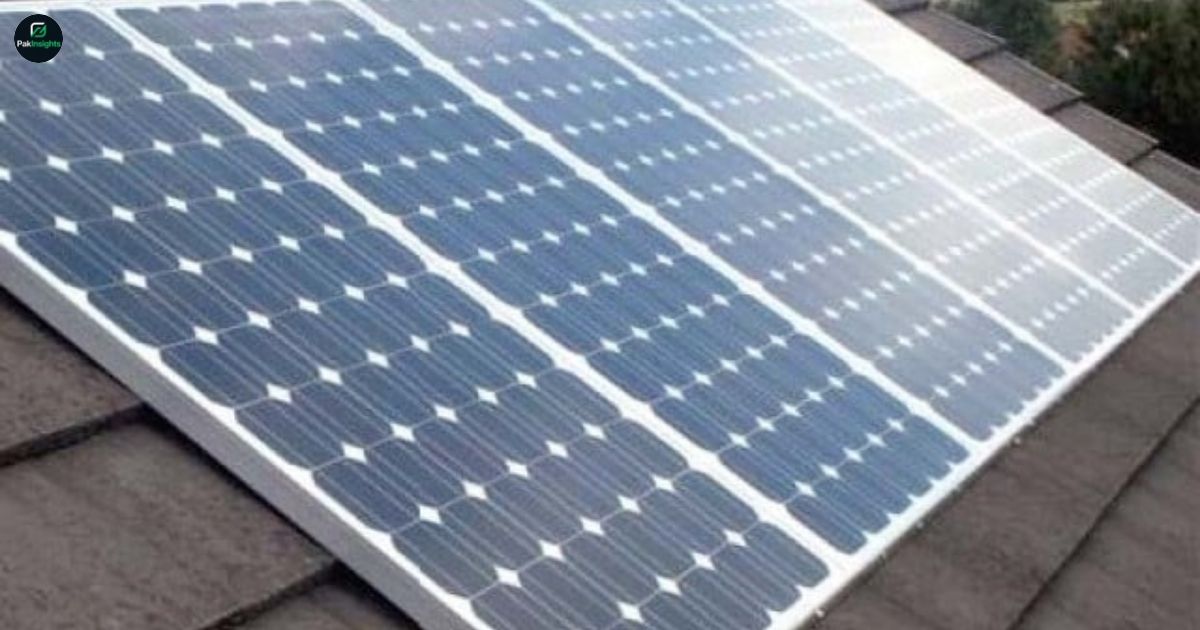
Net Billing Shift in Pakistan Drives Solar Users Toward Battery Storage is changing how residential and commercial solar consumers manage their energy. With net billing replacing traditional net metering, many solar users now face higher electricity bills and lower incentives for supplying excess electricity to the national grid. This shift is prompting a growing number of consumers to adopt battery storage solutions for energy independence.
Under net metering, solar panels allow users to consume their generated electricity and sell surplus power at fair rates. Now, net billing forces solar consumers to sell excess electricity at very low tariffs while paying high rates when drawing from the grid. This discourages new solar system installation and increases uncertainty for existing solar users.
Battery systems offer a practical solution to this challenge. By storing excess electricity at home, consumers can use it during peak hours, reducing reliance on grid power. Lithium-ion and lead-acid batteries are popular options in Pakistan, providing reliability and cost savings. Studies show households with battery storage can cut electricity bills by up to 30% annually.
Government authorities, including NEPRA and the Ministry of Energy, are reviewing the policy to protect existing contracts and maintain public trust in government energy regulations. PM Shehbaz Sharif emphasized safeguarding the rights of 466,000 solar consumers while ensuring that the broader electricity network remains stable.
The net billing shift is also accelerating residential solar adoption in Pakistan. Consumers now prioritize battery systems to optimize renewable energy usage and reduce vulnerability to rising power tariffs. As more households install solar panels with battery storage, the country moves closer to sustainable energy goals.