
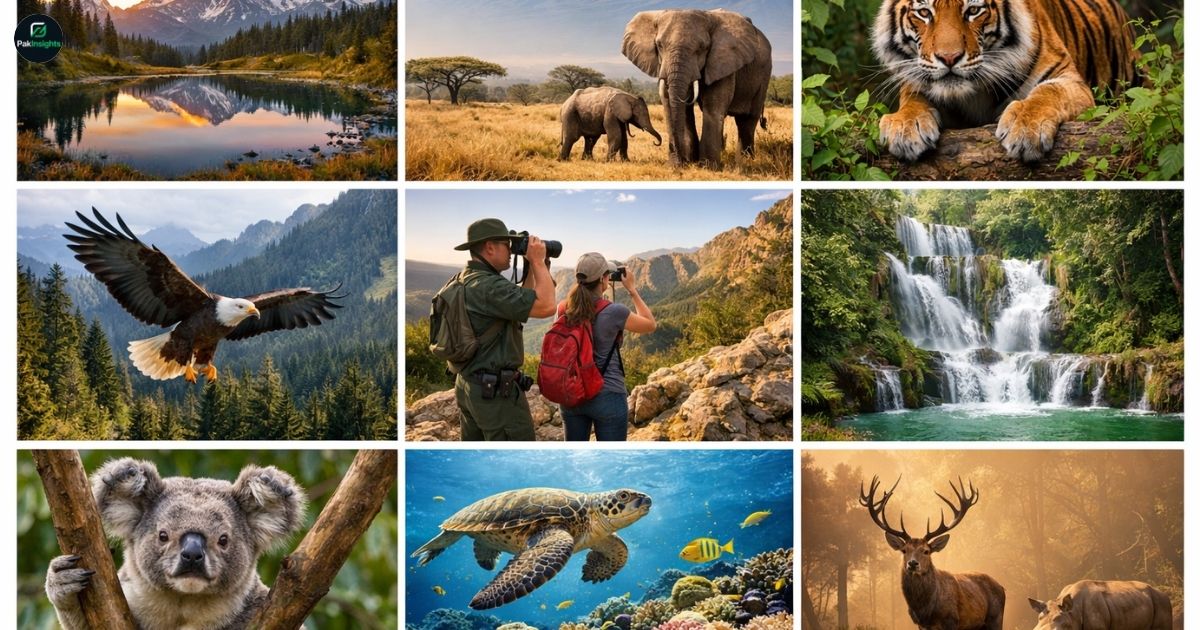
The National Parks and Wildlife Reserves of the United States are treasures that protect nature, wildlife, and the environment for future generations. These protected areas of the United States cover 42,826 areas, spanning 1,235,486 km² (477,024 sq mi), which is about 13% of the total U.S. land area. They include federal protected areas, state parks, local parks, and National Marine Protected Areas. These lands provide crucial habitat protection, biodiversity conservation, and opportunities for recreation and education. From the iconic geysers of Yellowstone to the vast wilderness of Wood-Tikchik State Park, these areas showcase America’s commitment to environmental protection policies. They are also vital for climate regulation, wildlife management, and maintaining the ecological balance across diverse ecosystems.
Every park and reserve is managed with care. Government agencies like the National Park Service, U.S. Forest Service, Bureau of Land Management, and Fish and Wildlife Service work to protect natural landscapes while allowing the public to enjoy them. State parks add another layer of protection, offering smaller yet significant refuges for endangered species and forest preservation. Even local parks and city and county parks contribute to protecting green spaces in urban areas, improving air quality, and offering spaces for sustainable tourism and community recreation.
Importance of Protected Areas in Preserving Biodiversity and Ecosystems
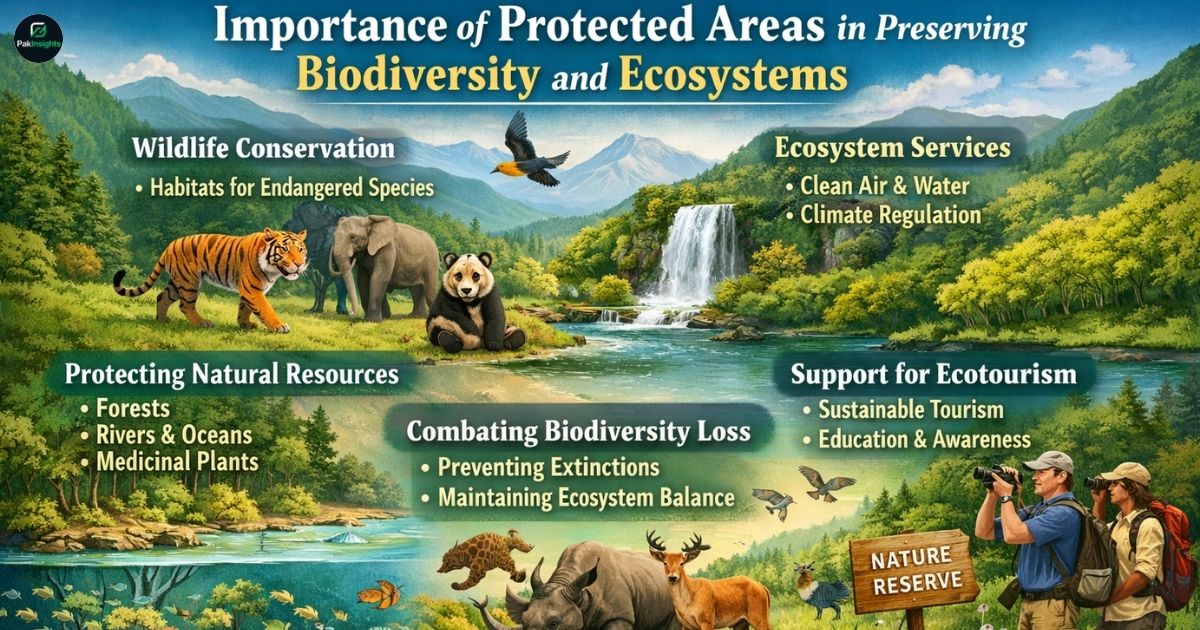
Protected areas are essential for safeguarding wildlife and habitats. National parks, wildlife reserves, and wilderness areas prevent deforestation, overhunting, and pollution. They provide safe homes for endangered species like the gray wolf, California condor, and bison. In Yellowstone, the reintroduction of wolves changed the park’s ecosystem, improving vegetation and stabilizing rivers. Such interventions highlight the role of biodiversity conservation and habitat protection in maintaining a healthy environment.
These areas also help regulate the climate. Forests in national forests, forest reserves, and outstanding natural areas absorb carbon dioxide and produce oxygen. National seashores and lakeshores, along with estuarine research reserves, maintain water quality and protect coastal habitats. By conserving land and marine areas, including 871 National Marine Protected Areas covering 1,240,000 mi², the U.S. ensures that ecosystems remain resilient. This contributes not only to nature but also to human communities, offering clean air, freshwater, and recreation opportunities.
Types of Protected Areas and Their Legal Framework
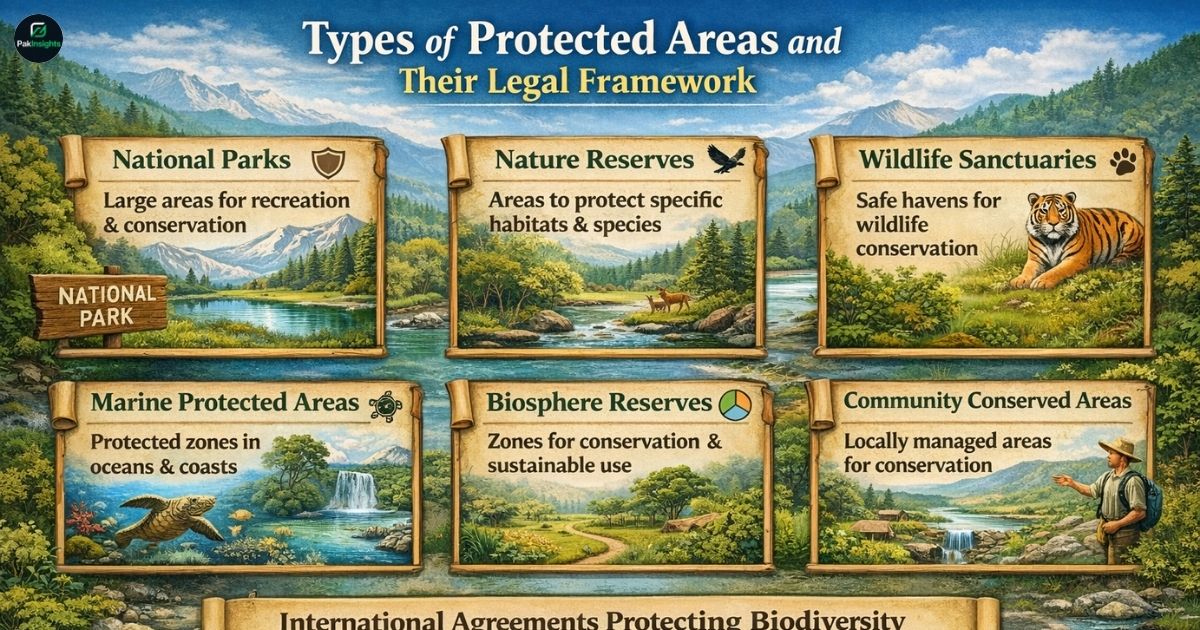
The U.S. has many types of protected areas, each with different purposes and protections. National parks preserve landscapes and wildlife, while national monuments and national preserves often protect historical or cultural features. National recreation areas, national scenic trails, and cooperative management areas allow both conservation and public enjoyment. State parks, city and county parks, and local recreation districts complement federal areas, ensuring a wide network of protected spaces. Internationally, some areas are recognized as UNESCO Biosphere Reserves and categorized under IUCN levels.
These areas are legally managed by government agencies such as the National Park Service, Bureau of Land Management, and U.S. Forest Service, often coordinated through the United States Department of the Interior. Laws ensure wildlife management, forest preservation, and ecological balance. Some areas are designated as National Wildlife Refuges or national scenic areas, which prioritize species and habitat protection. Here’s a quick look at the main types of U.S. protected areas:
| Protected Area Type | Managing Authority | Purpose |
|---|---|---|
| National Parks | National Park Service | Landscape and wildlife preservation |
| National Forests | U.S. Forest Service | Timber, wildlife, recreation |
| National Monuments | Multiple agencies | Historical and natural preservation |
| Wildlife Reserves | Fish and Wildlife Service | Endangered species protection |
| Marine Protected Areas | National Oceanic and Atmospheric Administration | Marine biodiversity protection |
| State Parks | State agencies | Public recreation and habitat conservation |
These frameworks ensure that protected lands are used responsibly, balancing public land management with ecological needs.
Sustainable Tourism, Economic Benefits, and Future Conservation Challenges
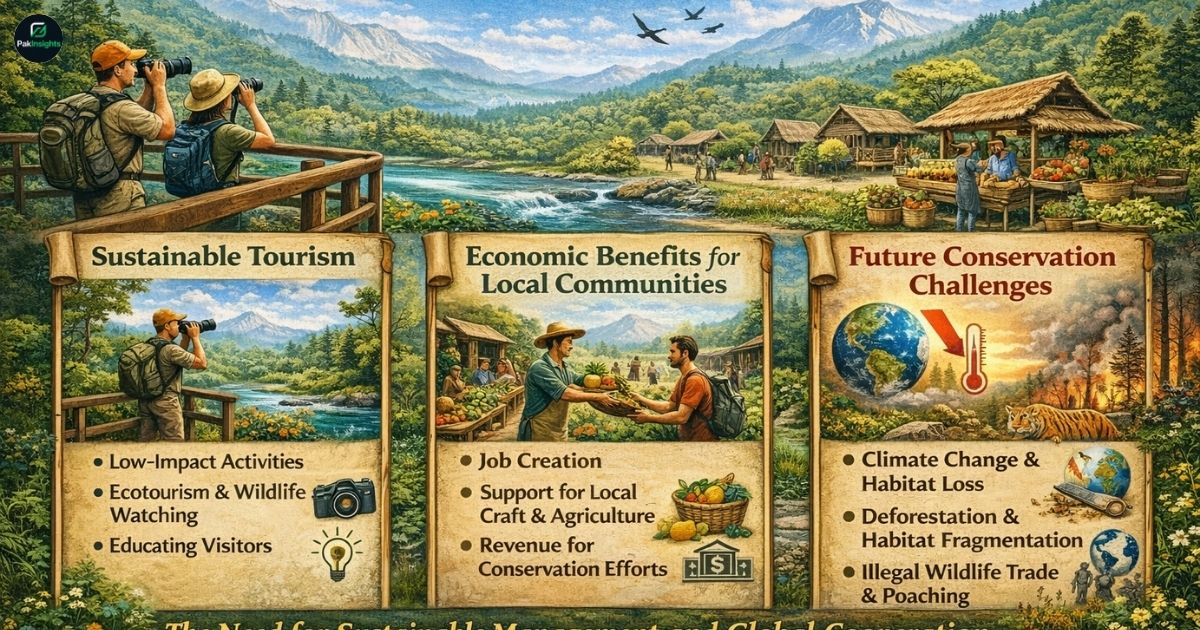
Visiting National Parks and Wildlife Reserves supports local economies. Sustainable tourism encourages travelers to explore areas like Adirondack Park or South Mountain Park, Phoenix, Arizona, without harming the environment. Eco-tourism helps fund forest preservation, wildlife monitoring, and park maintenance. Local businesses, from hotels to guides, benefit while visitors gain recreation opportunities and unforgettable experiences in nature.
However, challenges remain. Climate change, urban development, and illegal hunting threaten biodiversity conservation and ecological balance. Agencies like the United States Army Corps of Engineers play a role in managing water resources and recreational areas. Volunteers and responsible tourists are encouraged to support cleanup programs, trail maintenance, and education initiatives. By understanding these challenges, everyone can contribute to preserving the 42,826 protected areas of the United States, including 6,770 federal protected areas and countless state parks and local parks. Protecting these lands ensures they remain vibrant, wild, and full of life for generations to come.
Frequently Asked Questions
Q1: What are National Parks and Wildlife Reserves?
They are protected areas of the United States designed to conserve wildlife, habitats, and natural landscapes for future generations.
Q2: How many protected areas are in the U.S.?
The U.S. has 42,826 protected areas, including 6,770 federal protected areas and 871 National Marine Protected Areas.
Q3: Why are these areas important?
They ensure biodiversity conservation, habitat protection, and maintain the ecological balance of ecosystems.
Q4: Who manages these parks and reserves?
Government agencies like the National Park Service, U.S. Forest Service, Bureau of Land Management, and Fish and Wildlife Service oversee them.
Q5: Can people visit National Parks and Wildlife Reserves?
Yes, visitors can enjoy recreation opportunities, sustainable tourism, and eco-friendly activities while respecting conservation rules.