
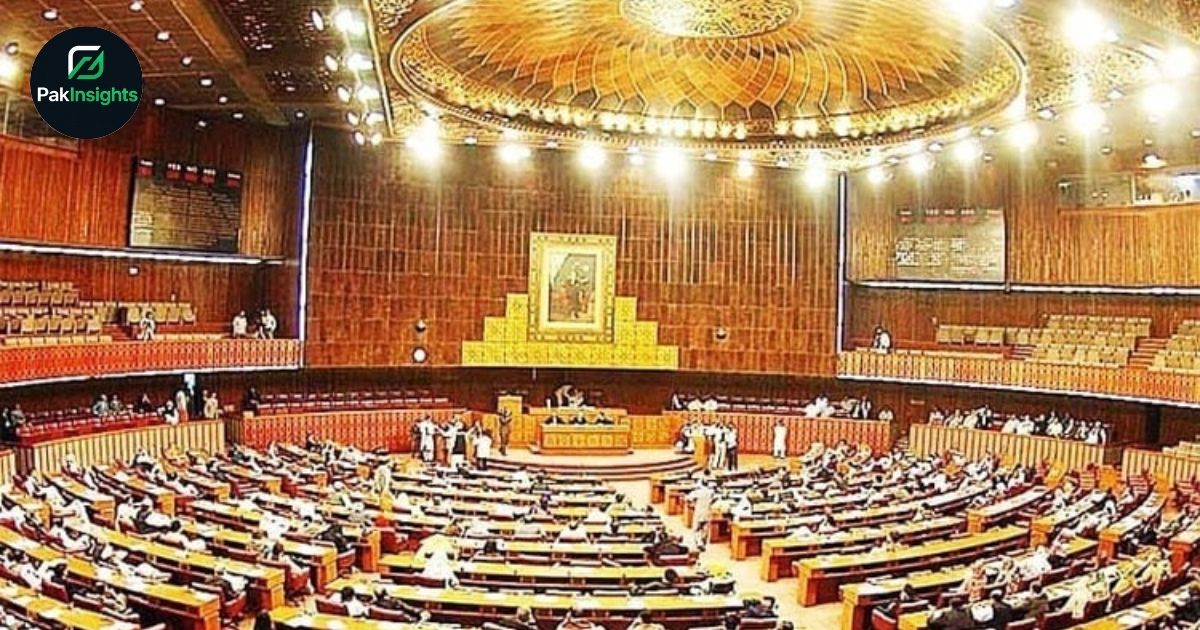
The National Assembly of Pakistan has recently passed the landmark Domestic Violence Bill 2025, marking a significant step towards protecting individuals from abuse in domestic spaces. This legislation is designed to safeguard vulnerable persons, including women, men, children, and transgender individuals, by establishing a strong legal framework for victims. It addresses all forms of abuse, such as physical, emotional, psychological, sexual, and economic abuse, ensuring that perpetrators face stringent penalties for offenders. The bill emphasizes immediate relief and protection for the aggrieved person, including access to shelter home arrangements, court support, and rehabilitation services.
By empowering courts to issue protection and interim orders swiftly, the bill ensures victims stay protected during critical periods. Introduced by Sharmila Farooqui of the PPP (Pakistan Peoples Party), the law also envisions multi-agency support through the protection committee, which includes representatives from the Family Protection and Rehabilitation Centre, the National Commission on the Status of Women, law enforcement, and medical professionals. This comprehensive approach aims to create safer households and reduce domestic violence across Pakistan.
Overview of the Anti-Domestic Violence Bill
The Domestic Violence Bill 2025 sets clear rules to protect individuals in a domestic relationship. It defines domestic violence broadly, including physical, emotional, psychological, and sexual and economic abuse. Victims can now access legal help for victims, protection committee support, and immediate court protection orders.
One of the most significant aspects of this bill is its focus on the rehabilitation of victims. Courts can issue interim orders quickly if a victim is at risk, providing urgent protection. The law also clarifies that anyone who helps or encourages violence will face the same legal punishment (imprisonment, fine). The bill has a clear court proceedings timeline, with hearings expected to start within seven days and petitions resolved within 90 days. These measures make the law actionable and victim-focused.
Key Provisions and Legal Mechanisms
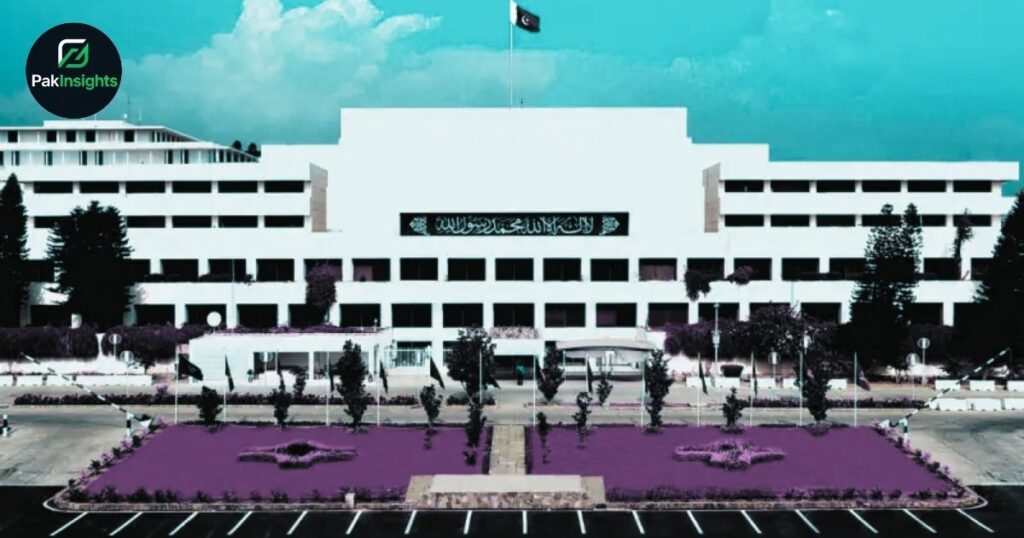
The bill allows courts to issue protection orders that prevent abusers from contacting or harming the aggrieved person. These orders can include instructions to reside in a shared household or shelter home, restrict the abuser’s access to the victim, and even require the abuser to execute a bond to prevent violence. Courts can also impose fines and imprisonment as stringent penalties for offenders, ensuring accountability for all acts of domestic violence.
The protection committee composition includes members from the Family Protection and Rehabilitation Centre, the National Commission on the Status of Women, police officers, medical professionals, and legal officers. This multi-agency approach guarantees holistic support for victims, from immediate safety to long-term protection and rehabilitation. By integrating specialized court protection orders with practical services, the bill strengthens enforcement and ensures victims always receive support.
Impact and Enforcement
Authorities are enforcing the law first in ICT, setting a benchmark for the rest of Pakistan. It ensures that vulnerable persons can report abuse safely and access legal help for victims. Courts swiftly issue interim orders and schedule hearings to conclude within the set timeline of court proceedings. The act also provides clear measures for victims to stay in safe housing and seek long-term protection and rehabilitation services.
The bill aligns with global standards by comparing practices in countries like the USA, where domestic violence laws, such as the Violence Against Women Act (VAWA), also focus on prevention, protection of victims, and rehabilitation of victims. By learning from international examples and adapting them to Pakistan, the law strengthens community confidence and ensures consistent enforcement. Tables in courts show case statistics, tracking aggrieved person safety, restraint communication enforcement, and outcomes of aid/abet punishment cases.
Table: Key Features of the Domestic Violence Bill 2025
| Feature | Description | Implementation |
| Protection Orders | Court-issued directives preventing abuser contact | Immediate enforcement |
| Interim Orders | Temporary safety measures for victims | Within 7 days of filing |
| Penalties | Imprisonment (6 months–3 years), fines up to Rs100,000 | Strict enforcement |
| Shelter Options | Includes the Family Protection and Rehabilitation Centre and National Commission on the Status of Women | Across ICT initially |
| Protection Committee | Multi-agency oversight | Includes the Family Protection and Rehabilitation Centre and the National Commission on the Status of Women |
| Legal Aid | Access to lawyers and court assistance | Nationwide rollout planned |
Frequently Asked Questions
Has the domestic abuse bill been passed?
Yes, the Domestic Violence Bill 2025 has been passed by the National Assembly of Pakistan and is awaiting Senate approval to become law.
What is the domestic violence bill in Pakistan?
The bill provides a legal framework that protects vulnerable persons from physical, emotional, psychological, sexual, and economic abuse while ensuring they have access to courts and shelters.
What is the Domestic Violence Bill 2025?
The Domestic Violence Bill 2025 establishes protection and rehabilitation measures, allows courts to issue protection orders, and enforces stringent penalties for offenders to prevent domestic abuse.
What is the Supreme Court decision on domestic violence?
The Supreme Court has emphasized the aggrieved person’s rights, ensuring that victims of domestic violence can access legal help, protection, and swift enforcement of interim orders and court directives.
Meta Description
National Assembly passes Anti-Domestic Violence Bill 2025, ensuring protection, rehabilitation, and stringent penalties for offenders.