Middle East Conflict Disrupts Pharma Air Routes, Raising Risk to Global Cancer Drug Supply as regional tensions affect critical logistics networks. The ongoing crisis involving Iran, the United States, and Israel has created serious challenges for medical transportation. This situation highlights the growing cancer drug supply chain crisis and broader global medicine supply disruption. Experts warn that the Middle East conflict disrupting pharma air routes may threaten the delivery of life-saving medicines worldwide.
Pharmaceutical companies rely heavily on fast air cargo systems. However, airspace closures and military activity have slowed shipments. As a result, healthcare systems may face pharmaceutical shipping delays and an increased risk of oncology medicines supply.
Airspace Closures and Pharma Cargo Rerouting
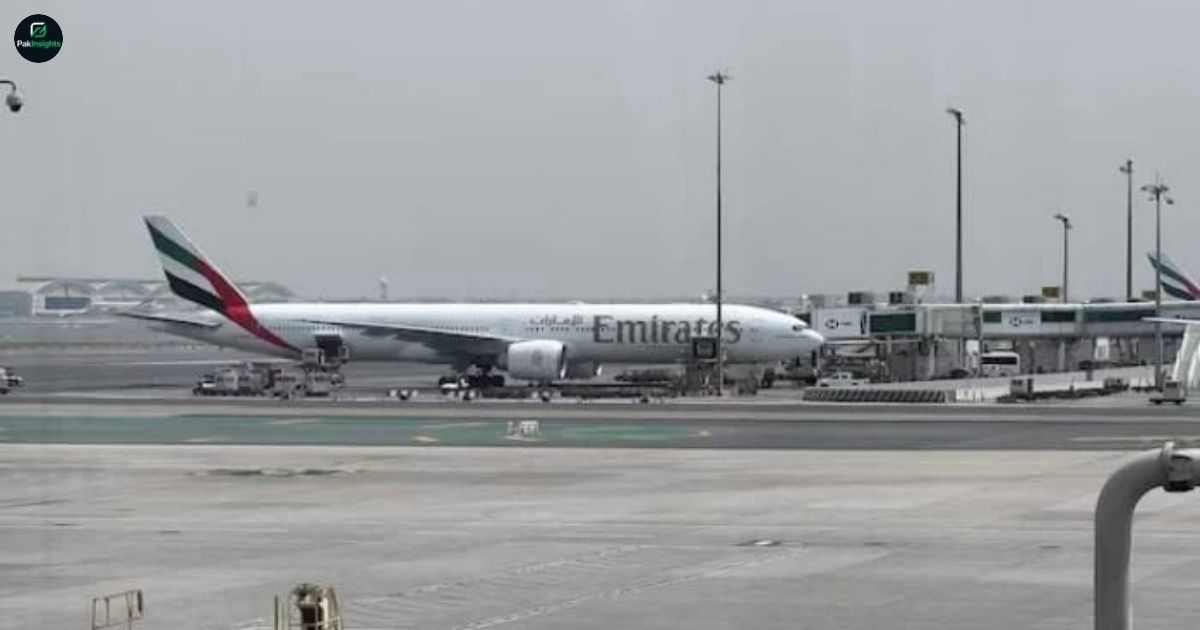
Major aviation hubs across the Gulf region play a key role in global medicine distribution. Airports in Dubai, Abu Dhabi, and Doha connect Europe, Asia, and Africa. Airlines such as Emirates and Etihad Airways transport thousands of temperature-controlled medical shipments each year.
However, military strikes and security concerns have caused a major pharmaceutical air cargo disruption. Logistics firms like DHL now reroute shipments through alternative hubs, including Jeddah, Riyadh, and Istanbul.
Experts from Antwerp Management School warn that over 20% of global air cargo passes through this region. According to researcher Wouter Dewulf, disruptions could affect cold-chain medicine transport across continents.
Risks to Cold-Chain Medicines and Cancer Treatments
Many medicines require strict temperature control. These temperature-sensitive drug shipments include vaccines and advanced cancer therapies. According to Prashant Yadav from the Council on Foreign Relations, hospitals usually store only three months of supply.
If transport delays continue, hospital medicine supply shortages may occur within weeks. Logistics specialists from Kuehne+Nagel and Marken report that companies now prioritize urgent shipments. However, longer routes increase fuel costs and extend delivery times. Industry analysts at Moody’s note that even small components like vial stoppers may face shortages.
Conclusion
The Middle East Conflict Disrupts Pharma Air Routes, Raising Risk to Global Cancer Drug Supply, and threatens critical healthcare logistics. Ongoing tensions may worsen the drug supply chain crisis in 2026 and delay essential treatments. Governments and logistics firms must expand alternative routes and strengthen pharma cold-chain corridors. Without quick action, the global healthcare system could face serious medicine shortages.