
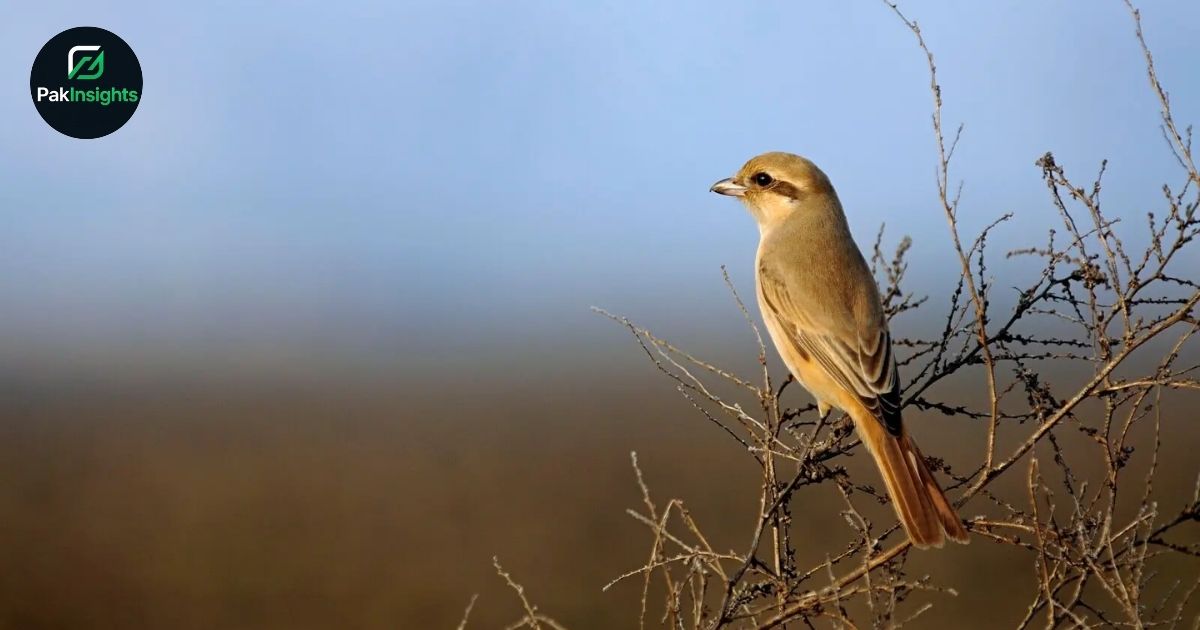
The Isabelline Shrike (Lanius isabellinus) is a striking traveler of the skies with a calm look and a fierce lifestyle. This Shrike bird fascinates American readers because it shows how nature mixes elegance with survival skills. Known widely as the Isabelline Shrike species, it belongs to the shrike family Laniidae and plays a meaningful role in avian biodiversity across continents. Many experts call it a butcher bird, a nickname that hints at its unusual hunting style and sharp instincts.
Although this bird does not breed in North America, it attracts strong interest from birders, researchers, and travelers. As a migratory bird species, the Isabelline Shrike (Lanius isabellinus) connects ecosystems from Eastern Europe to Africa, reminding us how deeply linked global biodiversity and ecosystems truly are.
Identification, Physical Features, and Behavior
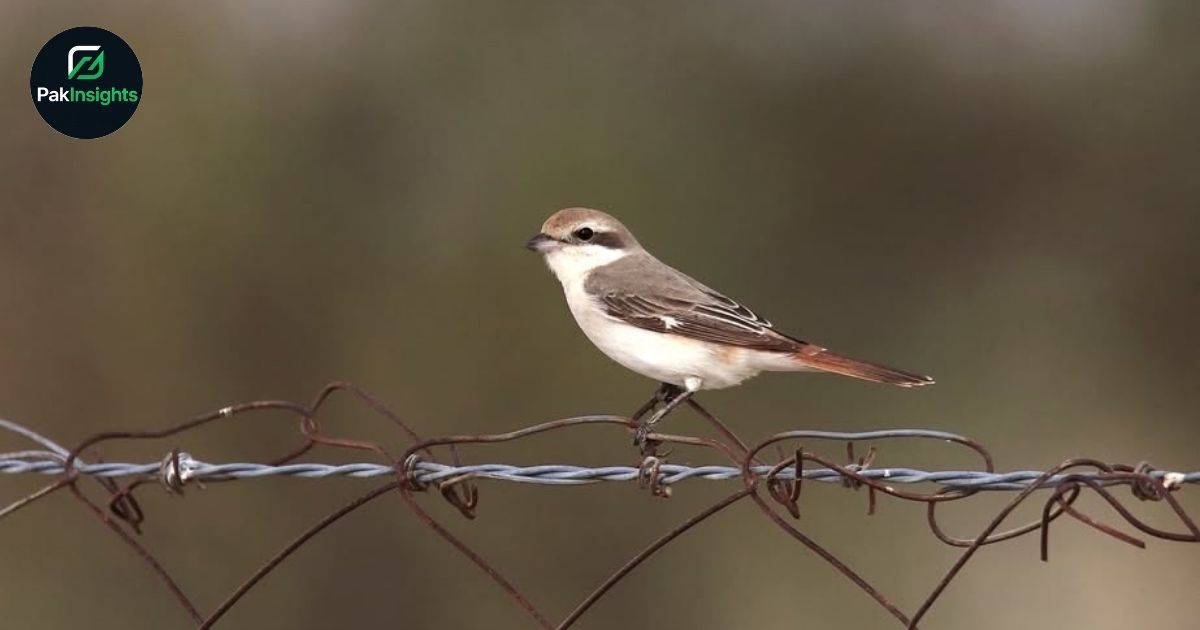
At first glance, the Isabelline Shrike appears soft in color and calm in posture. Its body shows pale fawn or buff coloration, which blends well with dry landscapes. A distinctive black eye mask gives the bird a bold expression and supports accurate shrike identification. This medium-sized bird usually measures under eight inches, yet carries a strong hooked beak designed for hunting. Subtle differences in bird plumage coloration can appear between adults and younger birds, especially during seasonal changes.
Behavior reveals its true nature. The Isabelline Shrike species is an opportunistic predator that relies on keen eyesight for hunting. It often waits patiently while hunting from vantage points such as wires or shrubs. One of its most famous habits involves impaling prey on thorns, a method known as lardering behavior. This behavior allows food storage and easier feeding, showing why shrikes are counted among intelligent predatory birds admired by ornithologists and bird enthusiasts.
Habitat, Distribution, and Migration Patterns
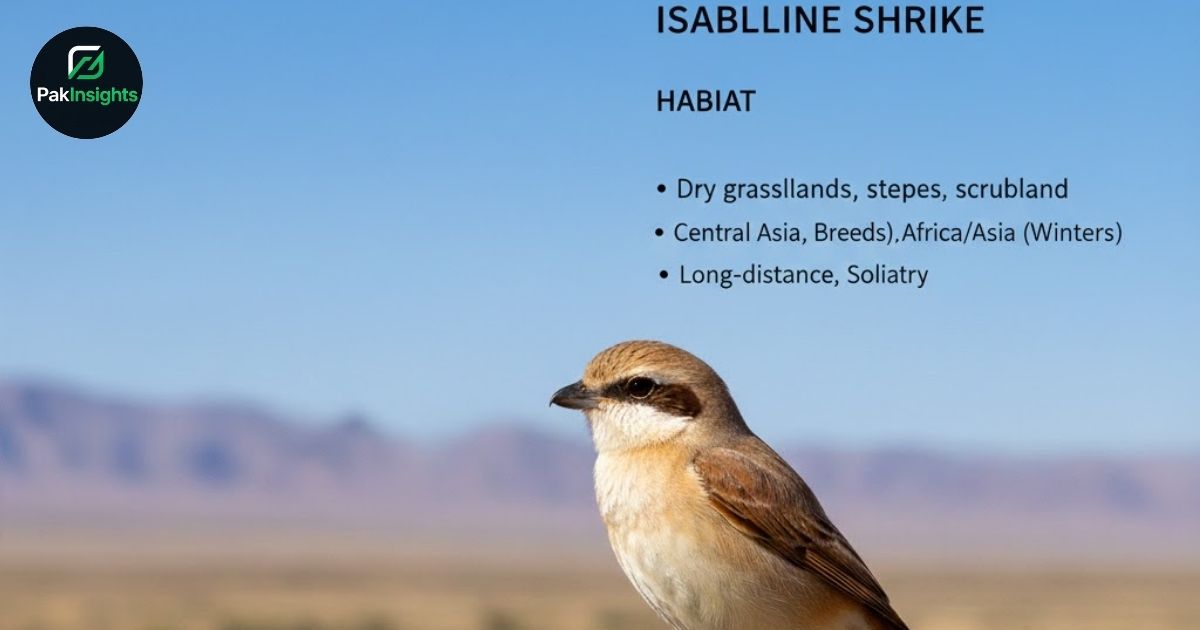
The natural shrike habitat of the Isabelline Shrike (Lanius isabellinus) includes open grassland habitats, dry plains, and steppe and semi-desert regions. These areas provide clear views and abundant prey. The bird thrives in grasslands and scrublands, where low vegetation supports its hunting style. Such environments explain why this bird prefers wide, open spaces instead of dense forests.
Geographically, the species breeds mainly across Central Asia, stretching through Eastern Europe and Mongolia. During seasonal migratory movements, it travels long distances toward warmer breeding and wintering grounds. In colder months, it appears across the Arabian Peninsula, the Indian subcontinent, and parts of Africa. These long routes make shrike migration an impressive natural event and explain why winter sightings excite birders studying bird species of Central Asia and wintering birds in the Indian subcontinent regions.
Diet, Breeding, and Conservation Status

Feeding habits of the Isabelline Shrike reflect its adaptability. It ranks among insectivorous birds, feeding mainly on beetles, grasshoppers, and crickets. When food is scarce, it also hunts small reptiles or rodents. This flexible diet helps the species survive across vast regions. Such feeding patterns also explain its success as a balanced predator within fragile environments.
Breeding begins in warmer months when pairs form nests in low trees or shrubs. The female usually lays a clutch of eggs, often between four and six. The incubation period lasts about two weeks, followed by careful parental care of chicks from both parents. According to the International Union for Conservation of Nature (IUCN), the bird holds an IUCN Least Concern status. Still, habitat loss and climate change pose growing risks. Understanding its bird conservation status helps protect this species and the wider ecosystems it supports.
Key Facts About the Isabelline Shrike (Lanius isabellinus)
| Feature | Details |
|---|---|
| Scientific Name | Lanius isabellinus |
| Family | shrike family Laniidae |
| Size | medium-sized bird |
| Main Diet | Insects, small vertebrates |
| Migration | Long-distance seasonal travel |
| Conservation | IUCN Least Concern status |
Frequently Asked Questions
What is the difference between the red-tailed shrike and the Isabelline shrike?
The red-tailed shrike shows a richer reddish tail and darker upperparts, while the Isabelline Shrike has paler sandy tones and a softer overall look. Their breeding ranges also differ, with the Isabelline Shrike favoring Central Asia.
What does Isabelline shrike mean?
Isabelline shrike refers to a shrike species named for its pale fawn or buff-colored plumage. The term “isabelline” describes this light, sandy coloration.
What is the habitat of the Isabelline Shrike?
The Isabelline Shrike lives in open grasslands, scrublands, and semi-desert areas where it can easily spot prey from raised perches.
How big does an Isabelline Shrike get?
An Isabelline Shrike grows to about 6.5–8 inches in length, making it a medium-sized bird with a compact but powerful build.
What is a bird’s worst enemy?
A bird’s worst enemies are habitat loss, climate change, and predators, with human-driven environmental damage posing the greatest long-term threat.
Meta Description
Explore the Isabelline Shrike (Lanius isabellinus) with its habitat, behavior, diet, and migration in this detailed bird guide.