
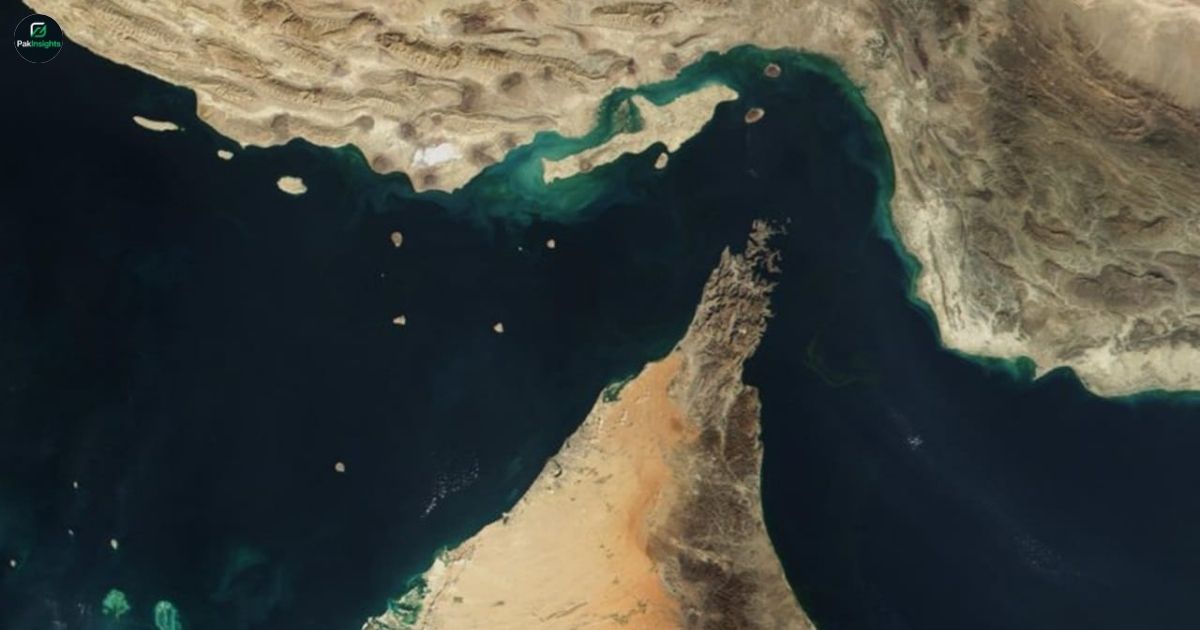
Iran Reroutes Ships in Strait of Hormuz as Sea Mine Threat Raises Concerns as tensions rise in the region. This Iran maritime navigation update highlights growing risks in a key global oil transit chokepoint. The Strait of Hormuz handles about 20% of the world’s oil supply, so any disruption matters. Iran reroutes ships in the Strait of Hormuz as sea mine threat raises concerns, and authorities urge safer navigation. Officials warn about the possible sea mine collision risk, which could harm vessels and crews.
Strait of Hormuz Alternative Routes Explained
Strait of Hormuz plays a vital role in global trade. Iran announced alternative sea routes to reduce danger. The Islamic Revolutionary Guard Corps issued naval instructions for vessels. Ships must follow new oil tanker navigation routes for safety. These maritime safety measures in the Strait of Hormuz aim to prevent accidents and delays. A United States and Iran two-week ceasefire agreement supports this temporary change.
Impact of Hormuz Blockade on Oil Prices
The Middle East shipping lane crisis affects global markets quickly. When tanker traffic rerouting happens, energy market volatility often rises. Oil prices increased earlier due to the situation in Iran’s blocked shipping channel. Experts warn about a global oil supply disruption in Iran if tensions grow again. Iran-US tensions on shipping routes remain a key concern for traders. This news about the Strait of Hormuz shows how fragile international trade route security can be.
Conclusion
Iran’s move aims to improve shipping lane security and reduce risks. However, geopolitical tensions in the Middle East still threaten stability. Careful planning and cooperation are needed to protect the global energy supply chain.