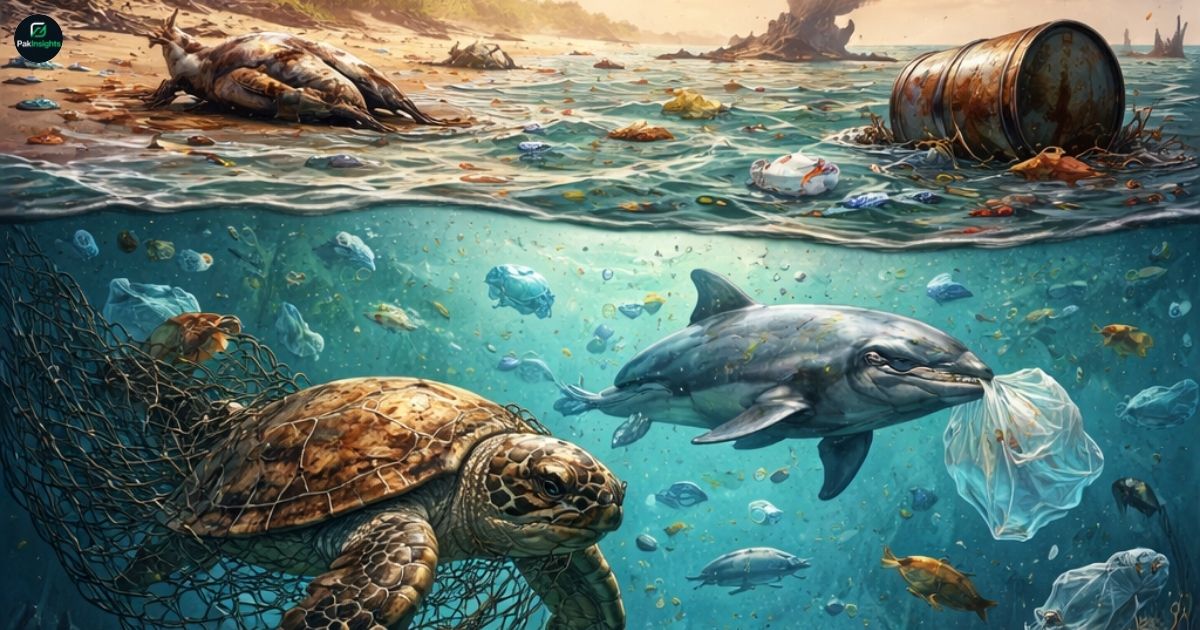
The oceans, covering over 70% of our planet, are home to countless species of marine animals. But today, pollution is destroying marine wildlife at an alarming rate. Every year, billions of pounds of marine debris, plastic pollution, and toxic chemicals enter our seas. Trash in oceans, floating debris, and garbage patches are no longer distant problems—they directly impact the seafood you eat, the beaches you visit, and the coastal ecosystems around the United States. From tiny microplastics that fish ingest to oil slicks off the Gulf Coast, human activities are harming life under the waves in ways we are only beginning to fully understand. The consequences include habitat destruction, coral reef damage, wildlife entanglement, and even species extinction.
The damage is not limited to underwater life. Coastal birds like gulls and albatrosses often build nests from discarded plastics. Studies show that even songbirds nesting with trash have higher mortality rates. Small creatures, such as grass shrimp (Palaemon pugio), are exposed to PFAS chemicals (“forever chemicals”) and fertilizer pollution, altering their life cycles. If we don’t act now, coastal pollution, oil spills, and nonpoint source pollution could permanently destabilize our oceans, threatening both nature and humans.
Major Types of Ocean Pollution Threatening Marine Life
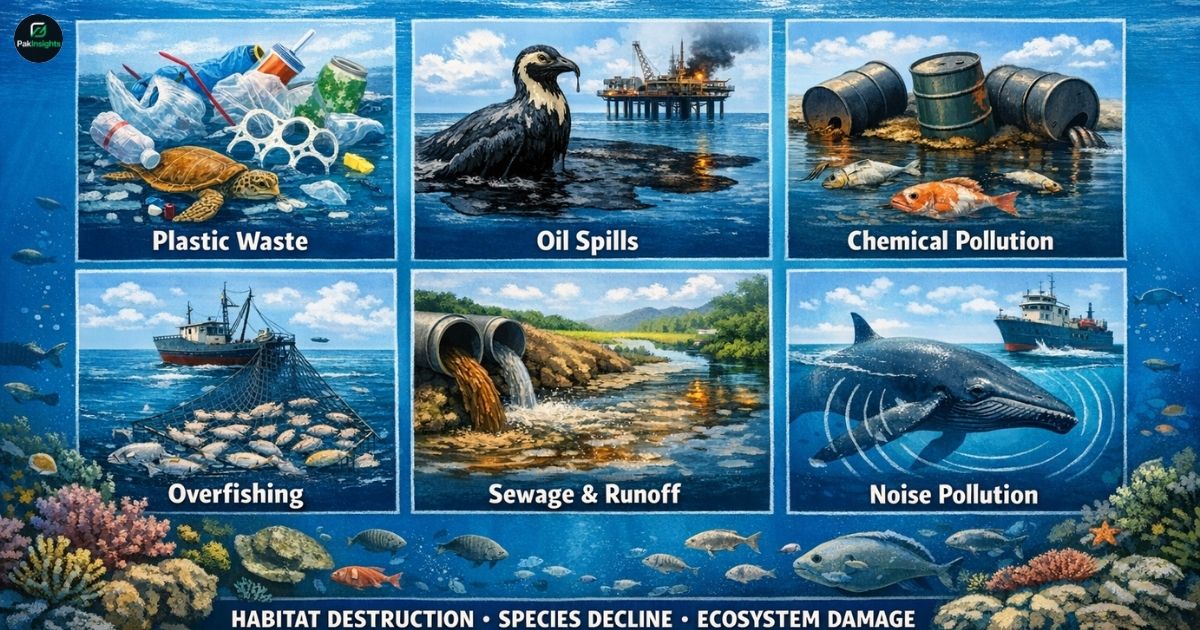
Ocean pollution comes in many forms, and it affects every part of the water column. Plastic pollution is the most visible form. Plastic bottles and containers, derelict fishing nets, and abandoned vessels drift in the seas, forming massive garbage patches. Microplastics, fragments smaller than 5mm, are ingested by marine animals, contaminating the food chain. Oil spills from tankers or industrial discharges coat marine surfaces, suffocating life and destroying habitats. Nutrients like nitrogen and phosphorus from runoff, farms, and septic tanks cause nutrient overload, leading to harmful algal blooms (HABs) or red tides.
Another major issue is coastal and inland pollution. Point source pollution, such as spills from factories, and nonpoint source pollution, like stormwater runoff from vehicles and farms, flow into the oceans unchecked. Timber harvesting and urban expansion increase soil erosion, carrying more trash accumulation into waterways. Even natural disasters like tsunamis and hurricanes impact pollution levels by redistributing debris along shores. Ocean currents and gyres then move this debris across thousands of miles, creating hotspots of destruction for both wildlife and humans.
Devastating Impacts of Pollution on Marine Animals and Biodiversity
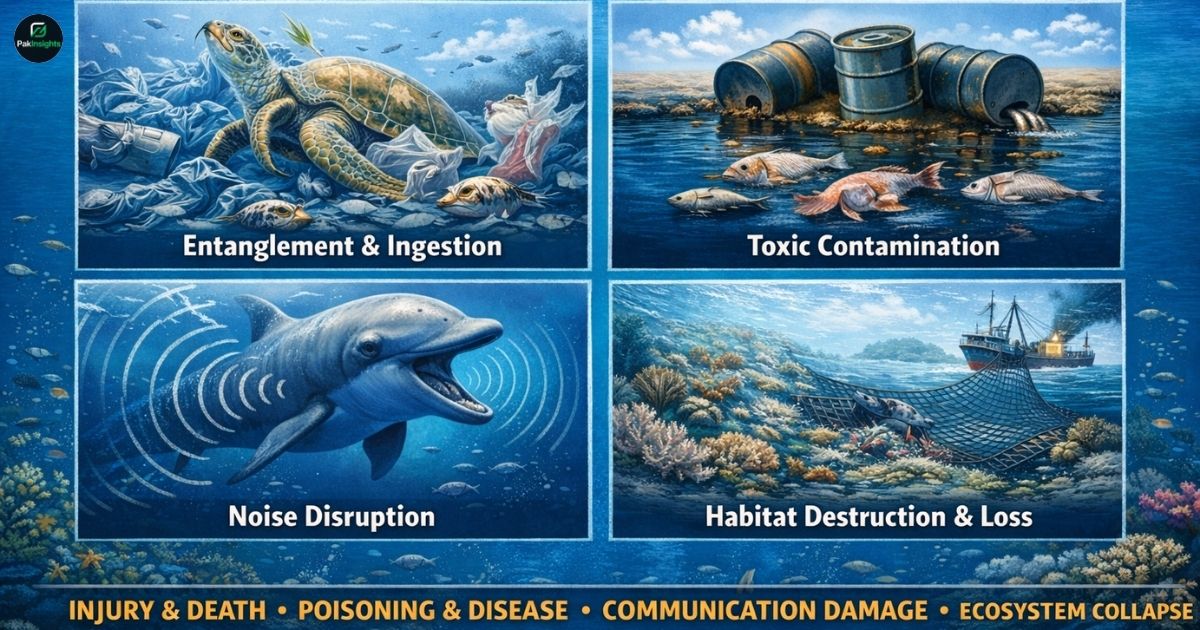
Pollution has far-reaching effects on marine animals. Sea turtles, whales, and seabirds suffer from wildlife entanglement in derelict fishing gear. Microplastics are consumed by fish, shrimp, and shellfish, resulting in fish contamination and seafood contamination for humans. Large amounts of oil spills smother coral reefs, while harmful algal blooms (HABs) reduce oxygen in the water, creating dead zones (hypoxia) where no life can survive. Small organisms like grass shrimp (Palaemon pugio) face heavy metals in seafood and chemical exposure, disrupting reproduction and food webs.
The biodiversity loss is staggering. Over 700 marine species have been directly impacted by marine debris. Habitat destruction threatens nesting sites for coastal birds, including those songbirds nesting with trash. Overfishing combined with plastic pollution amplifies these problems, leaving entire ecosystems fragile. Using ecological forecasting, scientists predict that without action, large sections of the Atlantic and Pacific coasts could experience worsening ocean health impacts in the next decade.
Table: Pollution Types and Their Effects on Marine Life
| Pollution Type | Examples | Impacts on Wildlife & Ecosystems |
|---|---|---|
| Plastic Pollution | Bottles, containers, microplastics | Ingestion, entanglement, species death |
| Oil Spills | Gulf of Mexico spills, tanker leaks | Coral damage, suffocation, toxins |
| Chemical & Fertilizer Runoff | PFAS, nitrogen, phosphorus, pesticides | Algal blooms, dead zones, reproductive harm |
| Marine Debris | Fishing nets, abandoned vessels | Entanglement, habitat destruction |
| Noise Pollution | Ships, sonar | Disrupts marine mammal communication |
Effective Solutions to Reduce Marine Pollution and Protect Ocean Life
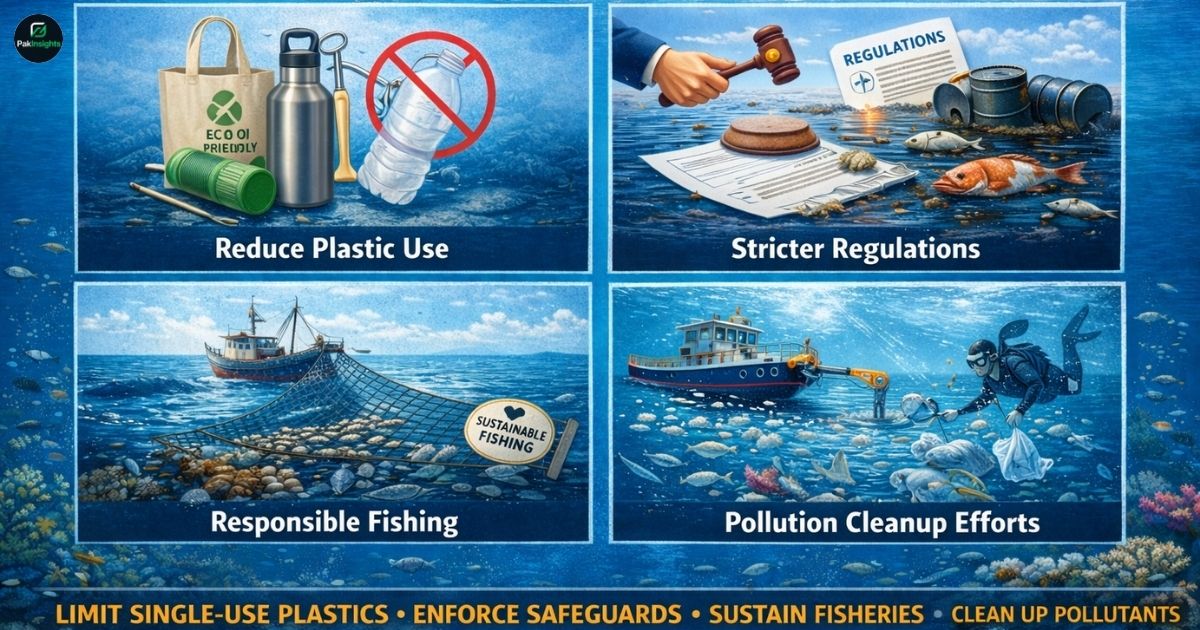
Solving this crisis requires both community action and national initiatives. Programs like the NOAA Marine Debris Program track ocean floor debris using underwater robots and the Marine Debris Tracker app. The Save Our Seas Act promotes cleanup initiatives, strengthens international coordination, and funds research on trash accumulation. Local efforts, including beach cleanups, recycling and waste reduction, and citizen science, allow people to directly protect marine wildlife.
Education is also key. Schools are using marine debris curriculum and interactive educational resources to teach students about environmental stewardship and ocean conservation education. Communities are learning to reduce littering, manage waste properly, and report oil spills or derelict fishing gear. Technology such as remote sensing, data visualization, and the Harmful Algal Bloom Monitoring System helps predict red tides, dead zones (hypoxia), and algal blooms, giving both scientists and the public actionable insights. Together, these steps can slow the damage and give marine animals a fighting chance.
Conclusion
Pollution is destroying marine wildlife across the United States and globally. From garbage patches to microplastics, oil spills, and harmful algal blooms (HABs), our oceans face threats from human activities and natural disasters. Yet, hope exists. Through the NOAA Marine Debris Program, the Save Our Seas Act, local cleanup initiatives, and community action, we can protect marine animals and coastal ecosystems. By reducing plastic pollution, practicing environmental stewardship, and spreading ocean conservation education, each one of us can help restore the balance and secure the oceans for future generations.
Frequently Asked Questions
Q1: What is ocean pollution?
A: Ocean pollution is the contamination of seas with plastic, chemicals, oil spills, and other debris that harm marine animals and ecosystems.
Q2: How does plastic affect marine life?
A: Plastic pollution causes wildlife entanglement, ingestion by fish, turtles, and seabirds, and damages habitats like coral reefs.
Q3: What are garbage patches?
A: Garbage patches are large areas in oceans where trash accumulation and floating debris collect, often trapped by ocean currents and gyres.
Q4: What are microplastics?
A: Microplastics are tiny plastic pieces under 5mm that enter the food chain, causing fish contamination and seafood contamination.
Q5: How do harmful algal blooms affect marine life?
A: Harmful algal blooms (HABs) reduce oxygen, create dead zones (hypoxia), and can kill marine animals and affect seafood safety.