
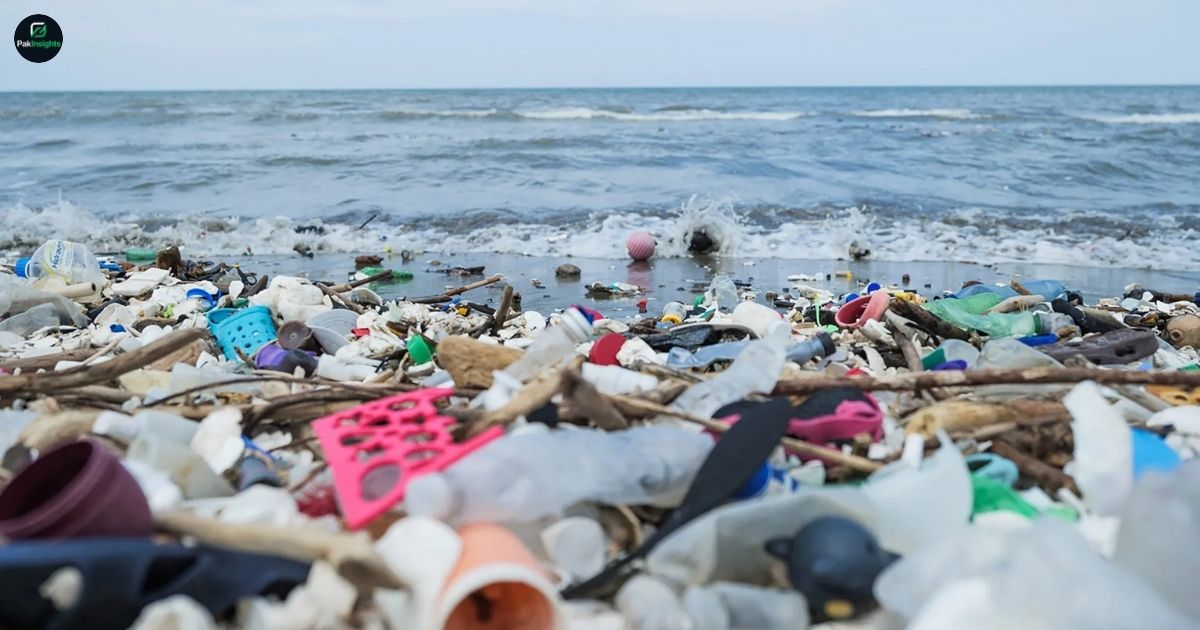
How Plastic Pollution is Accelerating Toxic Algae Blooms Worldwide has emerged as a major threat to marine ecosystems and aquatic life. Studies reveal that plastic waste entering oceans, especially petroleum-based plastics, destabilizes the balance in the ecosystem. These plastics do not feed algae directly but harm their natural predators, like zooplankton, leading to algae overgrowth. As a result, red tides and algal overpopulation are increasing globally, causing beach closures and marine life deaths.
Microplastics, tiny fragments of plastic, play a significant role in this crisis. They decimate natural predators by collapsing zooplankton populations, which normally control algae growth. Without these grazers, algae populations skyrocketed in many coastal areas. Agricultural runoff has traditionally been blamed, but evidence now shows plastic pollution amplifies these blooms.
Fortunately, biodegradable plastics offer hope. Unlike petroleum microplastics, plant-based alternatives do not harm zooplankton. By using materials designed to biodegrade, communities can help maintain ecological stability and protect the microbial community of oceans. Reducing ocean pollution through better waste management can restore balance in the ecosystem and limit environmental and health hazards.
The consequences of toxic algae blooms extend beyond aquatic animals. Humans face risks from contaminated seafood, respiratory issues from airborne toxins, and economic losses in fisheries. Effective solutions include banning single-use petroleum-based plastics, promoting bioplastic alternatives, and enforcing strict coastal waste controls. Awareness campaigns and community cleanup programs also reduce plastic pollution, preventing further algal outbreaks.
In conclusion, plastic pollution is accelerating toxic algae blooms worldwide by disrupting the natural predators and ecosystem balance. Transitioning to biodegradable plastics and reducing ocean pollution can mitigate environmental hazards and preserve marine life.







One Comment