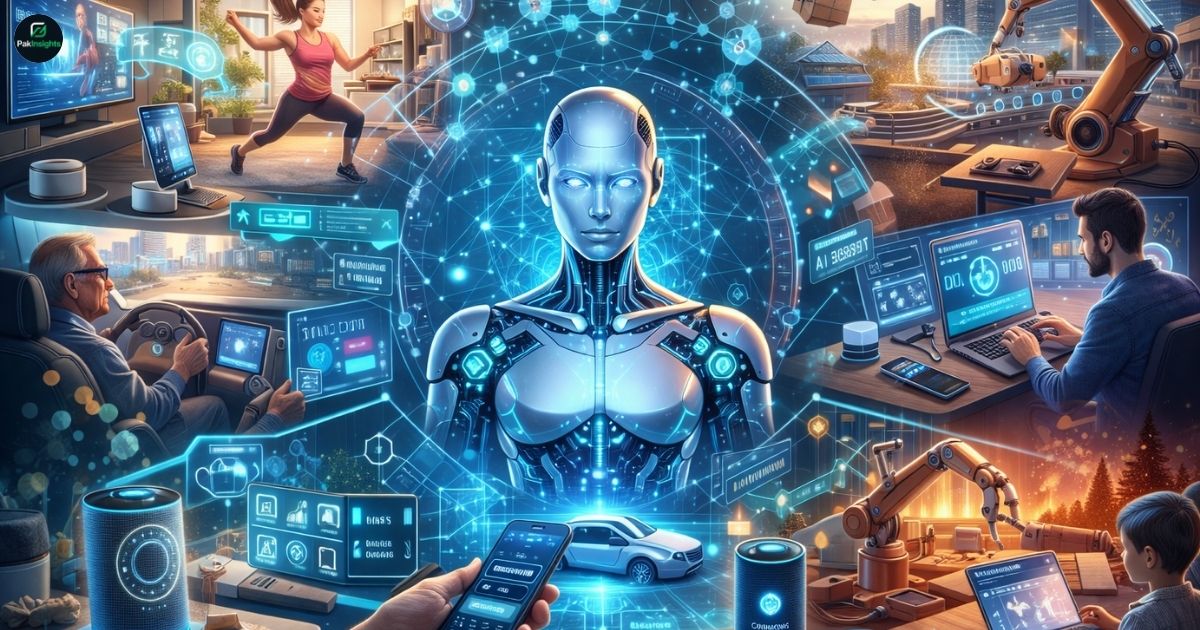
Artificial Intelligence (AI) is no longer a futuristic idea. It is already reshaping how we work, live, and interact in the United States. From digital assistants (Siri, Alexa, Google Assistant) in homes to autonomous vehicles on the roads, AI technology touches almost every part of daily life. This wave of innovation is often called Industrial Revolution 4.0, in which machine intelligence is transforming industries and human experiences. While some people fear AI and unemployment, others see opportunities in smarter workflows, AI-assisted decision-making, and AI in healthcare applications that save lives. Understanding how AI works, its benefits, and the ethical concerns is vital for everyone living in today’s technology-driven society.
The impact of AI goes beyond convenience. It changes relationships, learning, and even the way humans solve problems. AI societal impact is visible in schools, hospitals, and workplaces, as machines help humans complete tasks faster and more accurately. While some AI is simple, like Weak AI / Narrow AI in chatbots or recommendations, other AI systems, such as Strong AI / Artificial General Intelligence (AGI), are being researched to perform almost any cognitive task humans can do. For Americans, understanding both the practical uses and the future potential of AI is essential to navigate a rapidly evolving world.
What Is Artificial Intelligence and Why It Matters Today
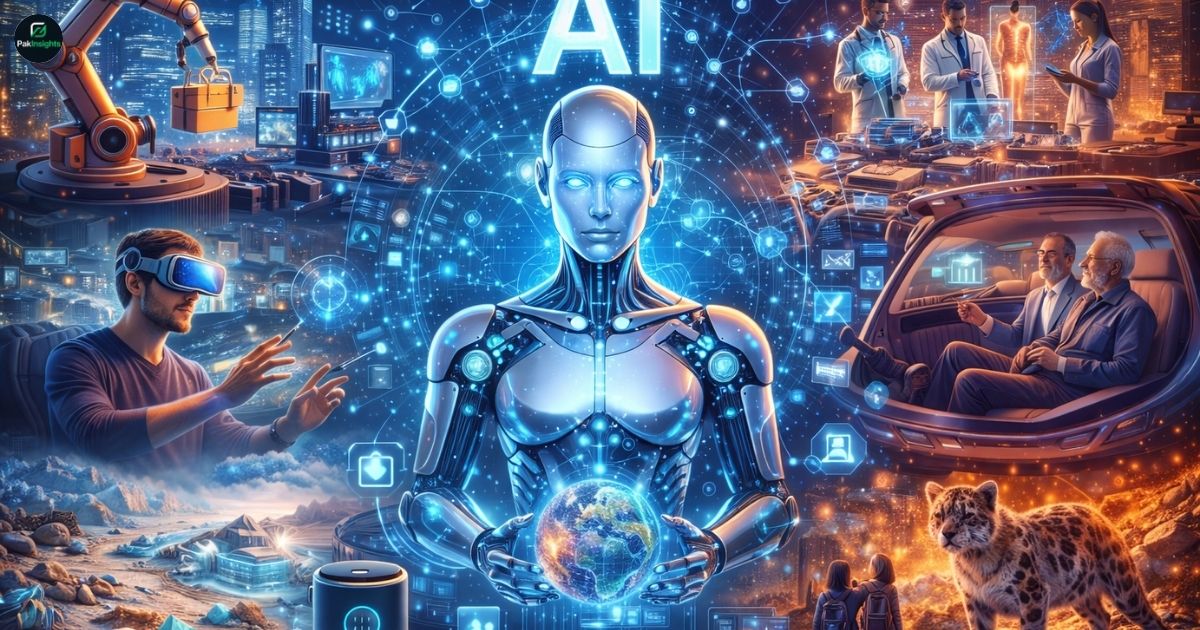
Artificial Intelligence (AI) is a branch of computer science that allows machines to act intelligently. It can learn from data, predict outcomes, and make decisions. AI is not just about machines doing tasks; it’s about human-machine interaction and augmenting human abilities. Everyday AI includes machine learning, deep learning, and natural language processing (NLP), which allow computers to understand text, voice, and images. By studying patterns, AI systems can provide insights faster than humans.
AI matters because it drives social change, economic growth, and innovation. In the USA, AI is applied in industrial automation, healthcare, finance, and education. For example, hospitals use AI-assisted surgery and predictive analytics to improve patient outcomes. Schools use AI tutors to personalize lessons for each student. Governments are exploring AI governance and accountability to regulate technology responsibly. With these systems, humans can achieve more, but it also raises questions about ethics, AI bioethics, and responsibility.
How Artificial Intelligence Is Transforming Daily Activities
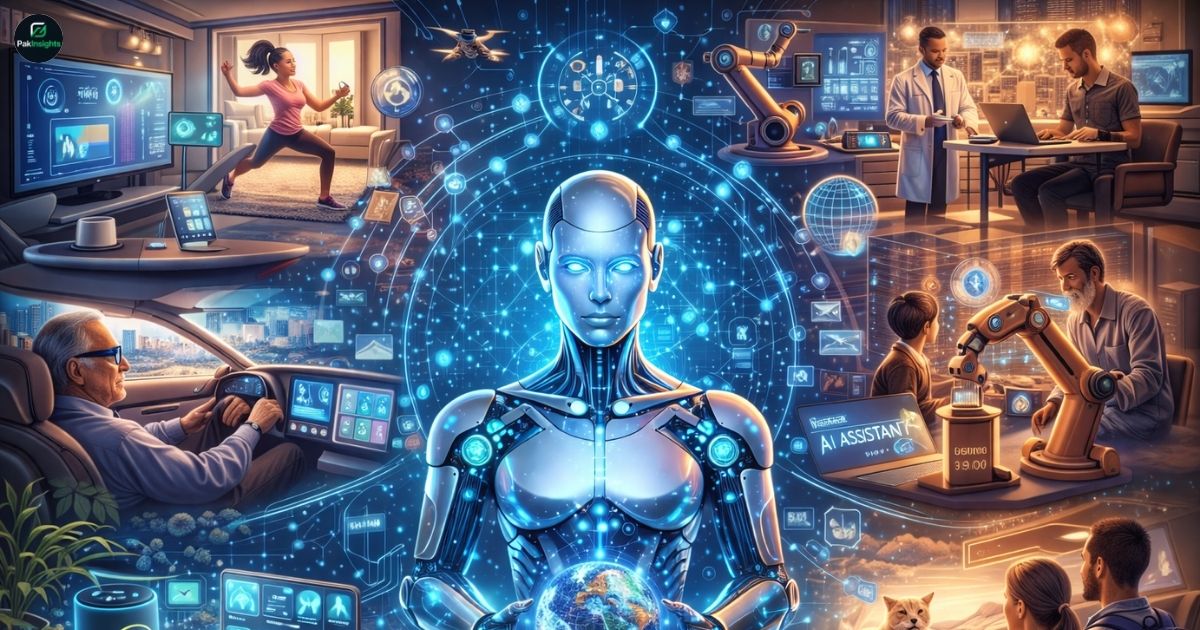
AI is woven into everyday life in ways many people don’t notice. Your phone’s digital assistant (Siri, Alexa, Google Assistant) can schedule your day, play music, and answer questions. Streaming platforms use computer vision/image recognition and algorithms to suggest movies you may like. Even online shopping relies on AI predictions to recommend products. AI helps people save time and make smarter decisions without even thinking about it.
Transportation is another area transformed by AI. Self-driving cars / autonomous vehicles use machine learning and computer vision to navigate streets safely. Ride-sharing apps optimize routes using predictive analytics. Smart homes adjust temperature, lighting, and security based on AI systems. AI is also helping reduce human errors in tasks like predictive policing, fraud detection, and email spam filters. As a result, AI is improving efficiency while subtly shaping routines and habits in American life.
Impact of Artificial Intelligence on Healthcare, Education, and Work
AI is changing how we learn, work, and stay healthy. In healthcare, AI healthcare applications include AI-assisted surgery, robotic diagnostics, and virtual presence technology for remote patient care. Hospitals use AI to predict illnesses, suggest treatments, and reduce mistakes caused by human fatigue. Therapeutic robots and socially assistive robots support elderly patients, improve mental health, and increase social interaction. These innovations are revolutionizing medical care while highlighting human oversight in AI systems.
In education, AI enables personalized treatment for students through AI tutors. Lessons adjust to individual learning speeds, helping each student succeed. At work, automation reduces repetitive tasks but raises concerns about AI and unemployment. Machines now handle data entry, assembly lines, and AI-assisted decision-making. While AI increases productivity, it also challenges humans to adapt. The key is balancing innovation with ethical AI, ensuring fairness, privacy, and accountability in all sectors.
Benefits and Challenges of Artificial Intelligence in Everyday Life
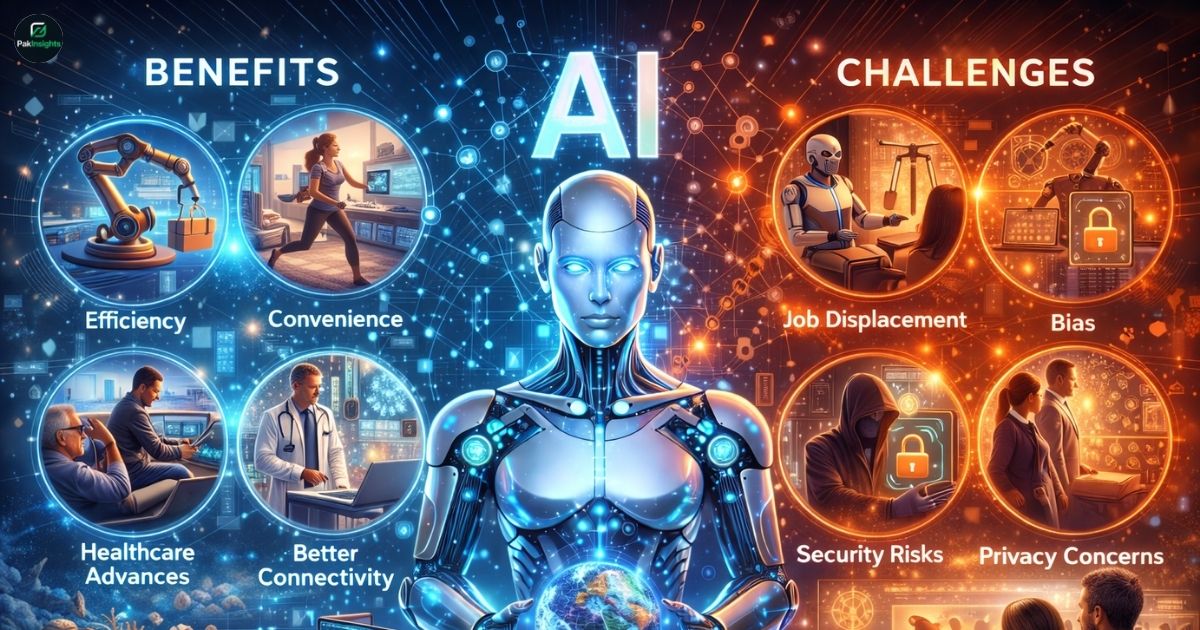
The benefits of AI are clear. It improves accuracy, saves time, reduces costs, and assists in complex decision-making. AI supports human cognitive enhancement, helping people analyze massive data sets, detect trends, and solve problems faster than ever before. In healthcare, physician-in-the-loop systems combine AI predictions with human judgment for safer treatments. In homes, digital assistants simplify tasks, while automation makes industries more efficient.
However, AI comes with challenges. AI bias / algorithmic bias can unintentionally harm vulnerable populations, while risks of AI taking over human tasks raise ethical concerns. Job displacement, AI, and wealth inequality may increase social tensions. Privacy risks, such as misuse of data by AI systems, require strong AI law and ethics compliance. Policymakers emphasize AI transparency, auditability, and predictability, while researchers push for AI humanities, ensuring machines serve humanity rather than control it.
The Future of Artificial Intelligence in Human Life
The future of AI promises smarter cities, personalized healthcare, and more efficient workspaces. AI superintelligence / Nick Bostrom Superintelligence may change how humans interact with machines entirely. AI could manage traffic systems, predict environmental changes, or assist in large-scale disaster response. Emerging technologies like virtual presence technology and therapeutic robots will expand human capabilities beyond imagination.
Ethics will remain critical. Ethical AI, AI governance, and accountability will ensure technology benefits everyone fairly. Researchers advocate combining human oversight in AI systems with advanced learning to avoid mistakes or bias. AI will likely continue reshaping society, from healthcare and education to industry and daily life. By understanding how AI is changing human society, Americans can embrace innovation responsibly while mitigating risks and creating a more connected, productive, and ethical future.
AI in Everyday Life Table Example
| Area | AI Application | Benefits | Challenges |
|---|---|---|---|
| Healthcare | AI-assisted surgery, diagnostics | Accuracy, faster treatment | Privacy, dependency |
| Education | AI tutors, personalized learning | Individualized progress | Cost, accessibility |
| Workplace | Automation, predictive analytics | Productivity, efficiency | Job displacement |
| Daily Life | Digital assistants, smart homes | Convenience, time-saving | Bias, over-reliance |
| Transportation | Autonomous vehicles | Safety, traffic optimization | Liability, system errors |
Frequently Asked Questions
Q1: What is Artificial Intelligence (AI)?
AI is computer technology that can learn, make decisions, and perform tasks that normally require human intelligence.
Q2: How is AI used in everyday life?
AI powers digital assistants, smart homes, autonomous vehicles, and personalized recommendations online.
Q3: Can AI replace human jobs?
AI automates repetitive tasks, but humans are still needed for creativity, oversight, and complex decision-making.
Q4: Is AI safe to use in healthcare?
Yes, when combined with human oversight like physician-in-the-loop, AI improves accuracy and treatment safety.
Q5: What are the ethical concerns of AI?
AI can show bias, privacy risks, and ethical dilemmas, so ethical AI and AI governance are essential.