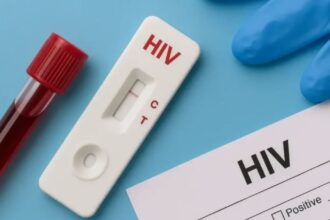
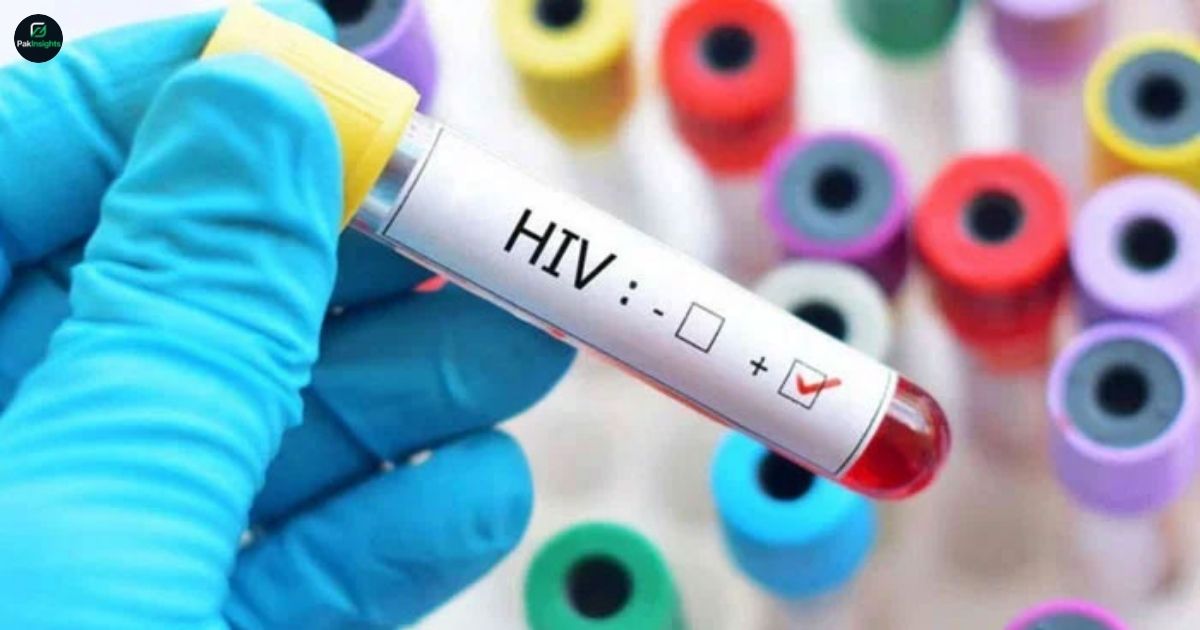
HIV Infections Rise in Karachi: Pediatric Cases Cause Concern, as health officials report over 100 new cases in 2025. Most affected are infants, toddlers, and school-age children, highlighting the severity of pediatric HIV cases. The rise reflects ongoing challenges in HIV transmission in Pakistan, particularly unsafe medical practices.
Karachi’s Sindh Infectious Diseases Hospital (SIDH) admitted around 35 children with HIV last year. Adults with HIV also continue to appear, but children remain the most impacted. Experts, including Prof. Naseem Salahuddin from Indus Hospital, suggest that many infections occur through unsafe medical procedures, not household transmission. Boys slightly outnumber girls, but a near-equal gender distribution of HIV indicates systemic healthcare issues.
Most affected children live in underserved areas of Karachi, including Keamari, Orangi Town, Baldia, Korangi, and nearby industrial zones in Karachi West and South. These densely populated neighborhoods face limited healthcare access, increasing vulnerability to HIV infections in children. Health authorities are actively monitoring the situation and providing antiretroviral therapy (ART) to all identified patients, ensuring proper HIV monitoring and treatment.
The current surge reminds many of the HIV crisis in Ratodero in 2019, which exposed serious flaws in Sindh’s healthcare system. Officials stress the need for stronger preventive measures, routine testing, and safe medical practices. Community awareness campaigns can reduce pediatric HIV cases and prevent further spread.
In conclusion, HIV infections in Karachi demand urgent attention. Providing antiretroviral therapy, improving healthcare safety, and monitoring pediatric HIV cases can control this outbreak. Coordinated efforts from hospitals, government authorities, and local communities remain essential.
Meta Description
HIV infections rise in Karachi, with pediatric cases causing concern. Underserved areas face the highest risk, highlighting unsafe medical practices.