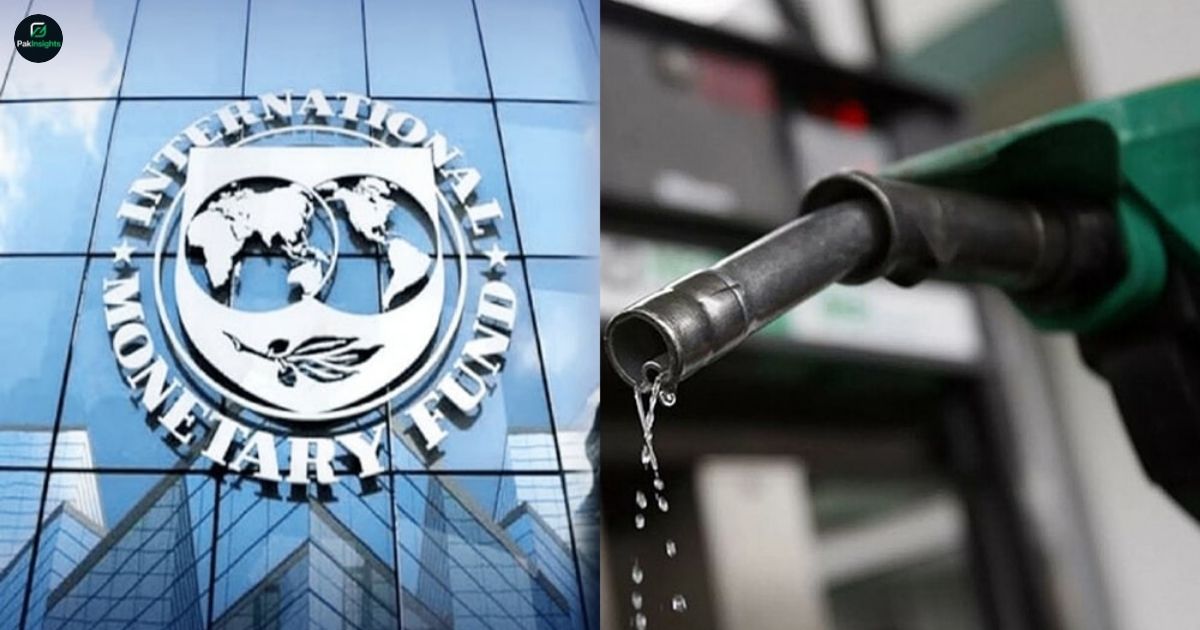
Govt Requests IMF Support to Ease Petrol and Diesel Price Surge as Pakistan faces rising fuel costs. The federal government asked the Finance Ministry to engage the International Monetary Fund on possible petroleum levy adjustments. Officials said this move aims at shielding consumers from the latest global oil price shock and easing the burden of domestic fuel pricing.
Prime Minister Shehbaz Sharif’s fuel policy focuses on protecting consumers while maintaining economic program commitments with the IMF. Current levies stand at Rs. 100 per litre for petrol and Rs. 55 per litre for diesel. The government has already absorbed nearly Rs. 129 billion in subsidies to stabilize gasoline and diesel costs amid energy market volatility.
The Finance Ministry proposal seeks levy rationalization to avoid passing international oil pressures directly to the public. Recent disruptions in Middle East energy flows contributed to domestic price adjustment challenges. Officials stated that the government used expenditure head savings and development budget cuts to finance this fiscal relief for consumers. These measures highlight Pakistan’s economic policy response to oil market disruption.
Experts suggest that if the IMF relief on the fuel levy is approved, petrol and diesel prices may stabilize, giving immediate relief to transporters and households. Price stabilization measures could prevent further inflation spikes, benefiting the broader Pakistan economy. This approach also allows the government to maintain commitments under its IMF-supported program without overwhelming the national budget.
In conclusion, the government’s request to the IMF aims at easing the petrol and diesel price surge, protecting consumers, and addressing rising fuel costs efficiently. Strategic levy adjustments and subsidies demonstrate a proactive economic response to international oil pressures.