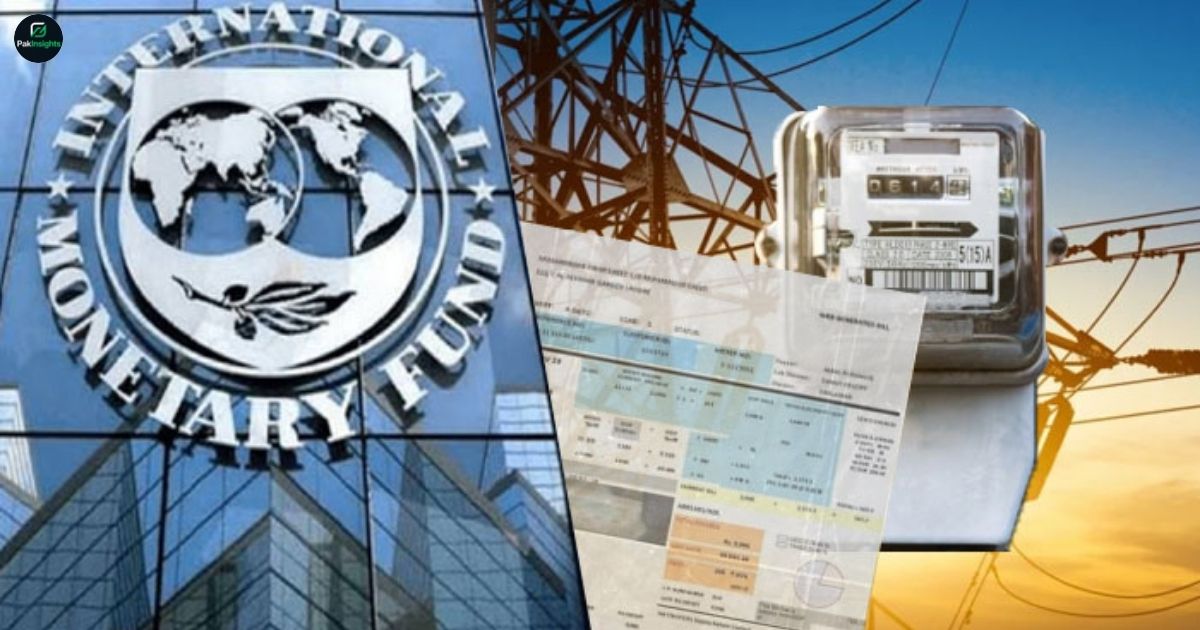
Electricity and Gas Tariffs in Pakistan to Be Linked to Household Income are part of a major reform to make energy bills fairer for all citizens. Under this plan, household income, not consumption levels, will determine subsidies. The federal government aims to reduce economic burden and ensure deserving consumers get proper support. This structural change in energy pricing aligns with the IMF program and Pakistan’s broader energy sector reforms.
The new income-based billing system will replace usage-based slabs currently used to calculate electricity and gas bills. Households will undergo an energy consumption assessment to determine their subsidy allocation. Lower-income and middle-income groups are expected to benefit most, paying less, while higher-income households contribute closer to actual energy costs. Social protection systems may integrate with this mechanism to ensure financial support for consumers is transparent and targeted.
Officials say this tariff overhaul will also address cross-subsidies and circular debt in the power sector. Reducing these inefficiencies could stabilize the energy market and support sustainable development. Experts highlight that energy cost distribution will become more equitable, promoting fairness across regions and income levels. The reform agenda emphasizes policy implementation that minimizes sudden increases for vulnerable populations while incentivizing energy conservation.
This change could mark one of the most significant policy shifts in Pakistan’s energy sector history. By linking electricity and gas tariffs to household income, the government aims to balance affordability and fiscal responsibility. Early discussions with the IMF indicate strong international support, particularly under the Extended Fund Facility (IMF), for reducing energy sector inefficiencies while maintaining subsidies for deserving consumers.