
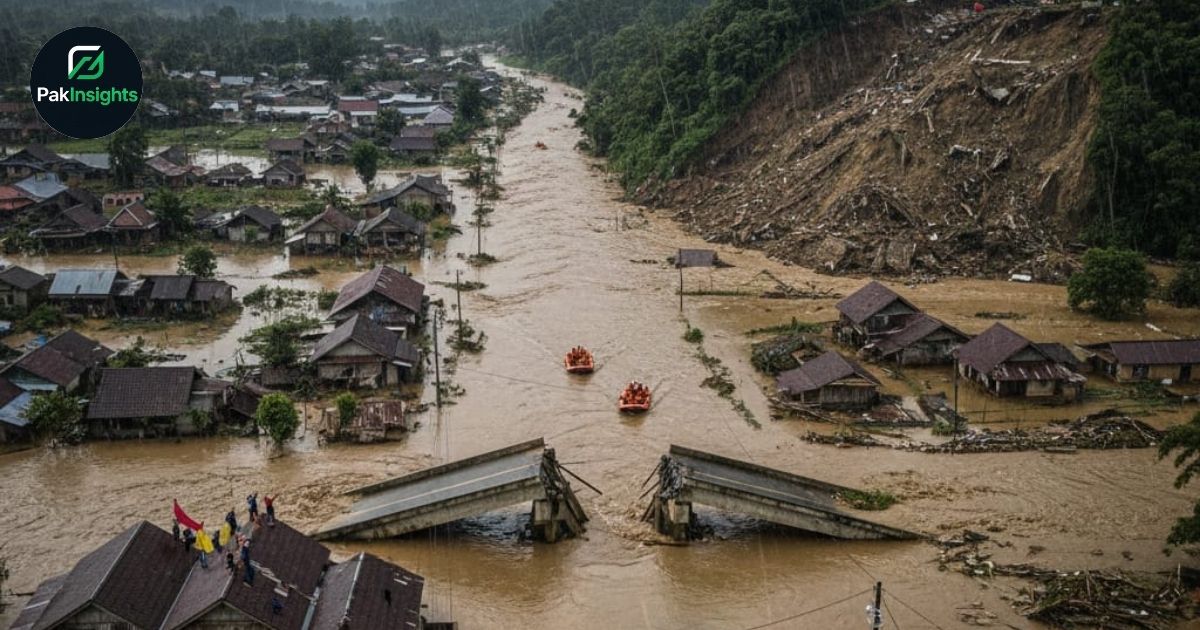
Indonesia is grappling with one of the deadliest natural disasters in its recent history. The death toll surges past 700 as Indonesia battles deadly floods and landslides, leaving families shattered and communities struggling to survive. Torrential rains over the past week have caused widespread Sumatra landslides, sweeping away homes, roads, and bridges, while forcing thousands into temporary shelters. The Indonesian disaster agency is working tirelessly to provide updates on rescue efforts and humanitarian aid distribution, but heavy rains and flooded areas make access difficult for emergency teams.
Experts warn that deforestation effects have worsened the disaster, as the loss of trees weakened the soil and increased the risk of landslides. This catastrophe comes after months of Southeast Asia’s severe weather, including typhoons in the Philippines and Vietnam, which left rivers swollen and the ground saturated. Families in remote villages face extreme hardships, with limited food, water, and medical aid reaching them. The scale of destruction highlights the urgent need for swift natural disaster response and long-term planning to prevent such catastrophic floods in the future.
What Triggered the Deadly Indonesia Floods and Landslides?
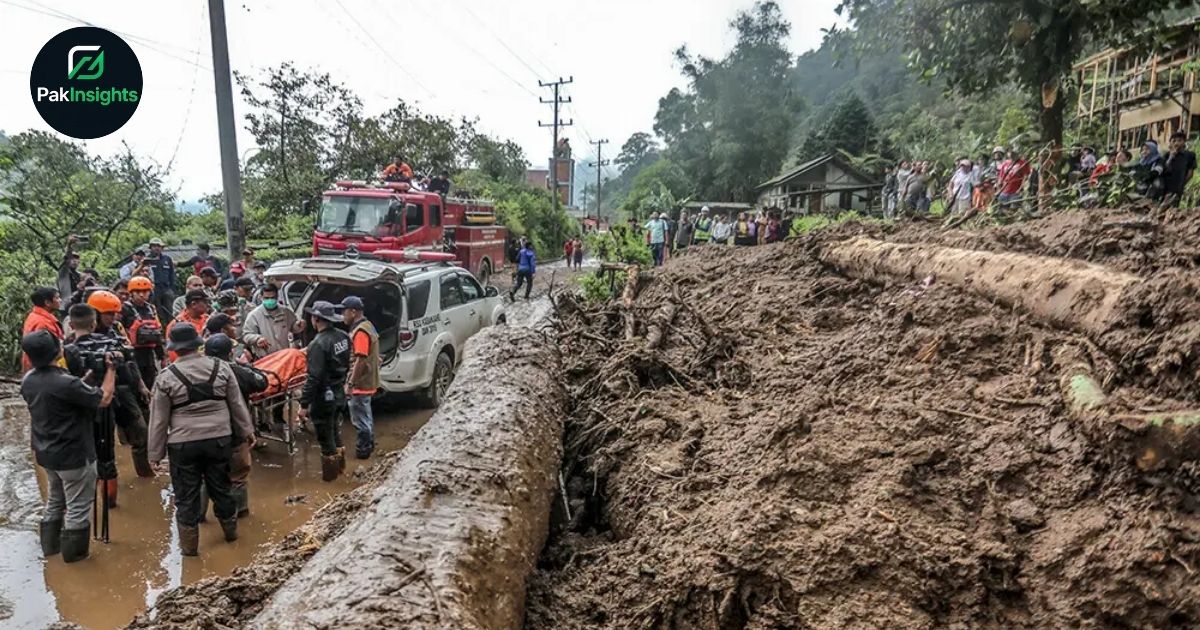
Heavy rains and adverse weather patterns were the main causes of the recent floods. Southeast Asia’s severe weather brought relentless rain to Indonesia, causing rivers to overflow. Combined with deforestation, these rains triggered deadly Sumatra landslides. Experts note that removing forests increases soil erosion, making slopes unstable and increasing the risk of flooding. Many homes were destroyed because they were built in high-risk areas without proper planning.
The disaster was worsened by previous typhoons in the Philippines and Vietnam, which saturated the soil and rivers. Local authorities reported that close to 900 deaths could have been prevented with better infrastructure planning. Roads and bridges were unable to withstand the heavy rains, and infrastructure damage in Indonesia hampered emergency response. Abdul Muhari (spokesperson) of the Indonesian disaster agency emphasized that repairing infrastructure and clearing roads remain the top priorities to reach isolated communities.
Human and Economic Impact of Indonesia’s Floods and Landslides
The human toll is heartbreaking. So far, 708 deaths have been confirmed, with hundreds more missing persons in Indonesia. Entire villages were washed away, and thousands were forced into temporary shelters. Children and elderly people are most affected, struggling to access food and clean water. The floods caused significant damage to homes, schools, hospitals, and markets.
Economically, the disaster has cost billions in damages. Agriculture has suffered heavily, with crops destroyed by prolonged flooding. Roads, bridges, and power lines have been swept away, leaving communities disconnected. The flood disaster’s impact is evident in disrupted trade and increased prices of essential goods. The table below highlights some key Numbers & Statistics:
| Disaster Metric | Figures | Notes |
|---|---|---|
| Confirmed deaths | 708 deaths | Across Sumatra and the surrounding regions |
| Reported earlier deaths | 753 reported | Initial discrepancy in reports |
| Missing persons | 120+ | Many in flooded areas |
| Homes damaged/destroyed | 15,000+ | Roads and bridges were damaged |
| Roads and bridges damaged | 450+ | Affecting emergency logistics |
Emergency Response, Rescue Operations, and Aid Distribution
The Indonesian disaster agency has mobilized teams for natural disaster response across affected regions. Soldiers, volunteers, and emergency personnel are actively distributing aid and helping survivors. Efforts focus on emergency logistics, including transporting food, clean water, and medical supplies to flooded areas.
Authorities are also prioritising logistics for hard-to-reach communities. Roads blocked by landslides are being cleared, and helicopters are used where vehicles cannot reach. Abdul Muhari (spokesperson) stated that every effort is being made to deliver aid quickly. International NGOs have joined disaster relief efforts, providing additional manpower, equipment, and supplies to speed up recovery.
Long-Term Recovery and Preventive Measures for Future Disasters
Recovery will take years. Authorities plan to repair infrastructure and rebuild homes with stronger designs. Experts emphasize reforestation to reduce the risk of Sumatra landslides and soil erosion. Communities are being educated about disaster preparedness and early-warning systems.
Global cooperation is key. Countries like the USA and Pakistan can learn from Indonesia’s response to extreme flooding. Sharing technology, disaster agency updates, and best practices for humanitarian aid distribution can save lives in future emergencies. Climate adaptation measures, combined with better planning, may prevent similar disasters from claiming so many lives.
Frequently Asked Questions
Q: What is the cause of the floods in Indonesia?
A: Heavy rains, Sumatra landslides, deforestation effects, and Southeast Asia’s severe weather triggered the floods.
Q: What is the biggest flood ever in history?
A: The 1931 China floods are considered the deadliest, killing millions of people and flooding millions of hectares of land.
Q: What was the biggest disaster in Indonesia?
A: The 2004 Indian Ocean tsunami was Indonesia’s deadliest disaster, with over 230,000 deaths across multiple countries.
Q: When were the last floods?
A: The latest severe floods hit Indonesia in 2025, causing 708 deaths and widespread infrastructure damage in Indonesia.
Q: Is there a 1000-year flood?
A: Yes, a “1000-year flood” refers to an extremely rare event with a 0.1% chance of occurring in any year.
Meta Description
Death toll surges past 700 as Indonesia faces deadly floods and landslides, with rescue teams racing to reach flooded areas.