
In 2026, Cybersecurity is no longer just an IT concern; it has become a part of everyday life. With the rise of AI-powered cyberattacks and cyber-enabled fraud, individuals and organizations in the USA face more threats than ever. Rapid technological changes, coupled with geopolitical cyber threats, have transformed the digital landscape into a complex battlefield. Understanding Cybersecurity trends 2026 is essential to protect personal data, devices, and even financial stability. Today, cyber risks are systemic, blending technology, business, and geopolitics into a web that is difficult to navigate without the right knowledge.
The stakes are high. Reports from the Global Cybersecurity Outlook 2026 highlight that AI acceleration in cybersecurity and adversarial AI are driving a new era of attacks and defenses. Data leaks via GenAI have already surpassed previous concerns about traditional hacking, emphasizing that the cyber arms race is as much about accidental exposure as it is about malicious intent. In the US, both individuals and organizations must understand how these risks can affect daily operations and long-term security. Public-private cooperation in cybersecurity is emerging as a key solution, but personal awareness remains the first line of defense.
Emerging Cyber Threats and Risks for 2026
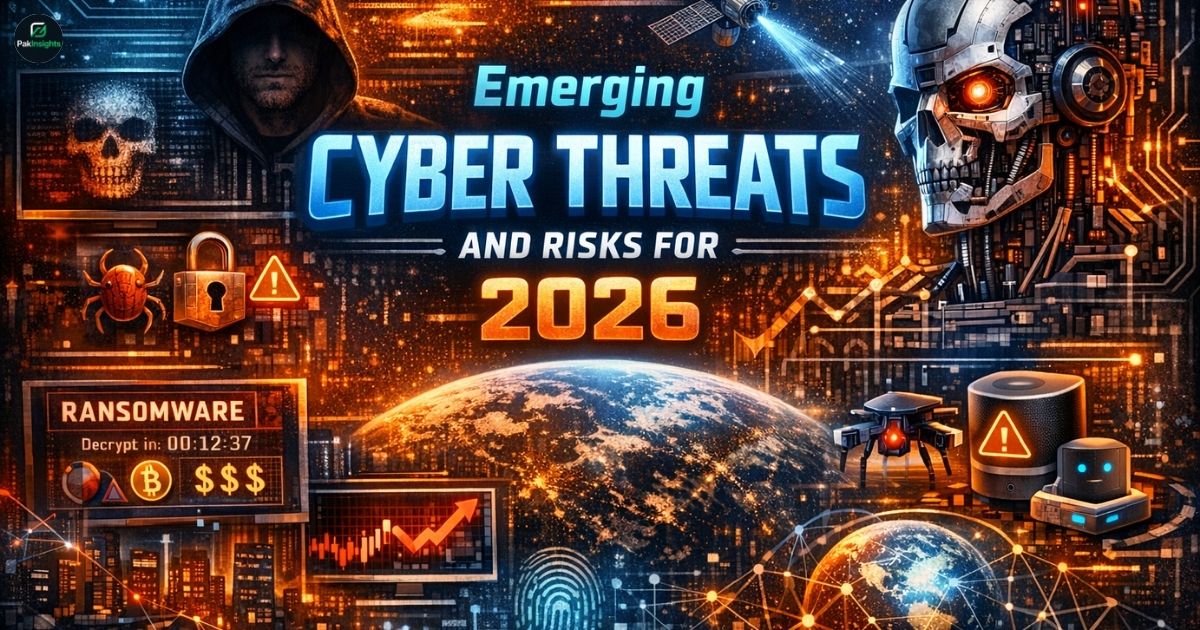
The cyber threat landscape is evolving rapidly. Generative AI risks now dominate headlines, as hackers leverage AI to bypass traditional defenses. Simultaneously, cyber-enabled fraud is on the rise, targeting both businesses and households. According to recent studies, over 70% of US organizations report exposure to phishing scams, ransomware attempts, or AI-driven attacks. Digital supply chain vulnerabilities are also a concern, as interconnected services increase interconnected digital ecosystem risks. Companies relying on cloud providers or third-party apps face higher chances of compromise.
Geopolitical cyber threats further complicate the scenario. Conflicts between nations impact critical infrastructure in subtle ways. National cyber preparedness varies widely, leaving some regions more exposed. For example, high-profile US cybercrime cases have shown that even well-funded organizations can face breaches due to overlooked cyber capacity and governance gaps. CEOs must prioritize CEO cyber priorities and adopt threat intelligence strategies to anticipate and mitigate emerging threats. The growing digital sovereignty debate underscores the need for localized data control to reduce dependence on foreign platforms.
Essential Cybersecurity Practices for Individuals
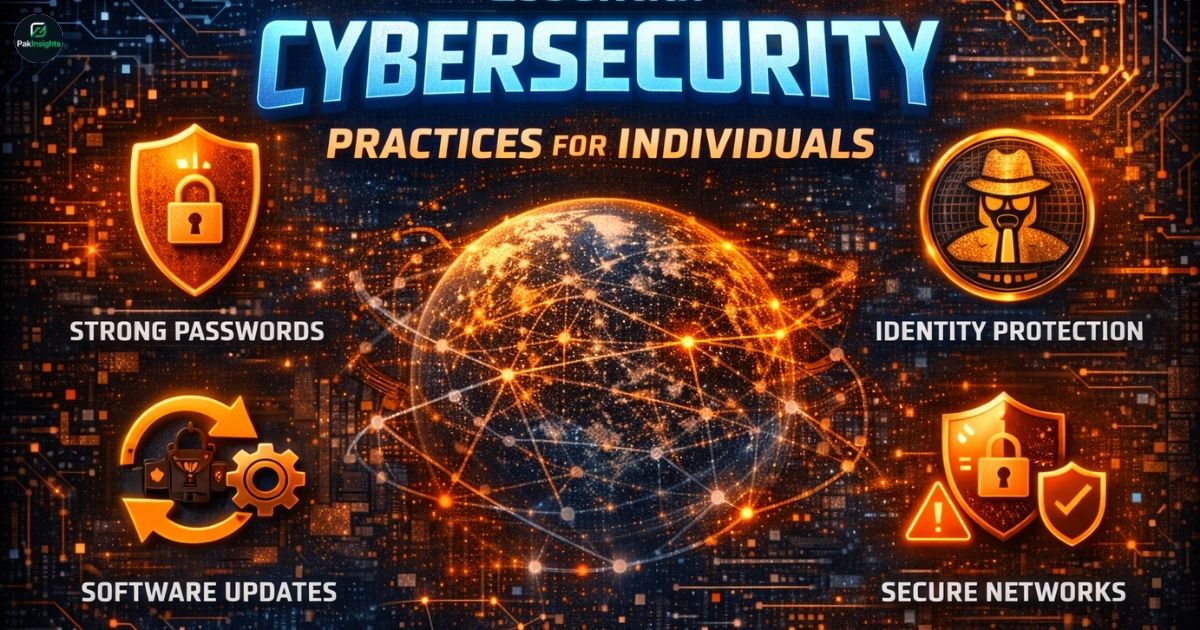
Protecting yourself starts with simple, everyday actions. Strong passwords, two-factor authentication, and secure devices are essential. Individuals should be cautious with social media, avoid suspicious emails, and regularly update software to prevent technology-driven cyber risk. Implementing these habits builds cyber resilience for organizations and households alike, reducing exposure to cyber-enabled fraud. Even small steps like encrypting personal files or using a VPN can make a major difference.
Education matters as well. Understanding emerging cyber threats and staying aware of AI acceleration in cybersecurity equips individuals to act before harm occurs. Americans should also know their digital ecosystem concentration risk, which is how dependent they are on a few online platforms. Training in cyber skills shortage areas like password security, phishing recognition, and device management can greatly reduce personal and organizational risks. In short, awareness plus consistent habits equals protection.
Tools, Resources, and Future-Proofing Your Security
A wide range of tools now helps protect individuals and organizations. Cybersecurity apps like password managers, antivirus software, and VPNs guard against attacks. US authorities and private organizations offer resources to improve cyber resilience challenges. Threat intelligence updates, online courses, and community forums guide you to stay ahead of high-profile cybercrime cases.
Planning for the future means understanding third-party risk and supply chain exposure. Emerging technologies, from smart home devices to AI assistants, introduce new risks. Individuals should evaluate their digital habits and adopt digital innovation and competitiveness strategies to protect privacy. Tables tracking software updates, device security status, and online account hygiene can make daily cybersecurity simple yet effective:
| Security Focus | Recommended Action | Frequency |
|---|---|---|
| Passwords | Use a strong manager & 2FA | Update every 3 months |
| Software | Keep OS and apps updated | Weekly check |
| Backup | Encrypt & store offline copies | Monthly |
| Awareness | Review phishing & fraud alerts | Weekly |
By combining tools, awareness, and the strategic importance of cybersecurity, you can defend against evolving threats while preparing for the next wave of economic impact of cyberattacks. Staying informed ensures your digital life and assets remain secure, and it also contributes to broader cyber risk management.
Frequently Asked Questions
Q1: What is the biggest cybersecurity threat in 2026?
A: AI-powered cyberattacks and cyber-enabled fraud are the top threats, targeting individuals and organizations across the USA.
Q2: How can I protect myself from cyber fraud?
A: Use strong passwords, two-factor authentication, updated devices, and remain alert to phishing and suspicious emails.
Q3: What role does AI play in cybersecurity?
A: Generative AI risks can cause data leaks, while adversarial AI powers both attacks and advanced defenses.
Q4: Are smart devices safe to use at home?
A: They increase digital supply chain vulnerabilities, so secure them with strong passwords, updates, and network monitoring.
Q5: How can small businesses improve cybersecurity?
A: Implement threat intelligence strategies, train staff in cyber skills, and monitor third-party risk and supply chain exposure.