
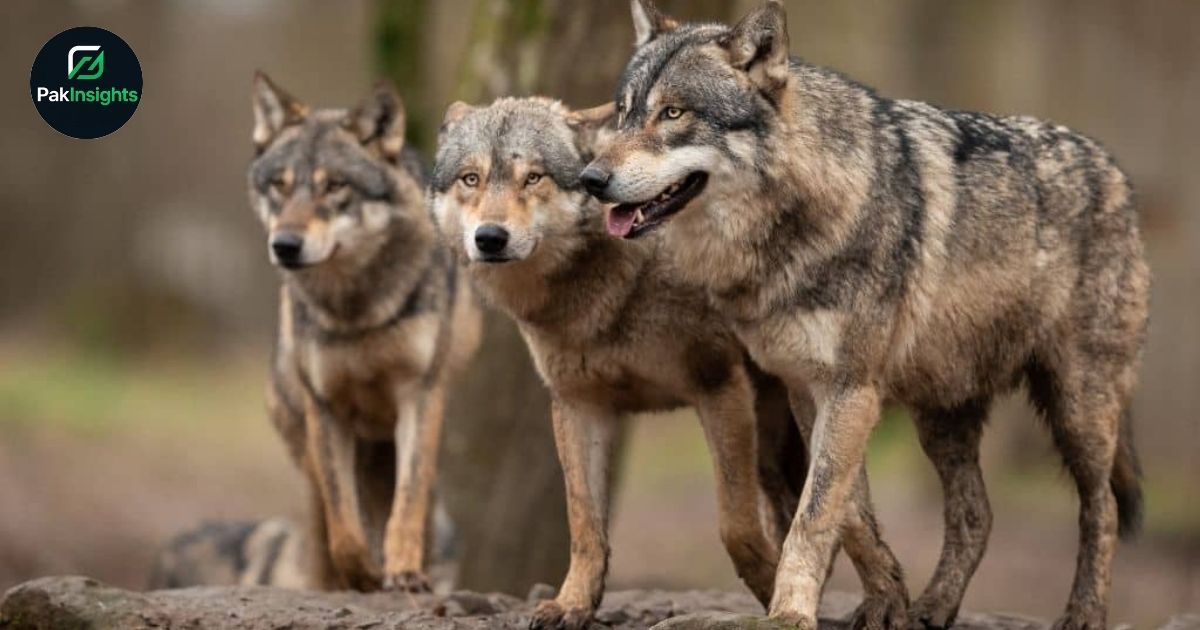
Conflict with Humans Threatens Wolf Populations Worldwide, as human-wildlife clashes intensify in many regions. Wolves often attack livestock, prompting retaliatory killings by villagers. This human-wolf conflict has increased due to prey scarcity and habitat fragmentation. As a result, endangered wolf populations, including the grey wolf in Pakistan and the Indian wolf lineage, face serious survival challenges.
In Pakistan’s Sulaiman Range, wolves attack cows, goats, and sheep when natural prey like markhor, ibex, and urial is scarce. Villagers resort to poisoning predators to protect their livestock. Tariq Saeed Birmani reports that only small, fragmented wolf subpopulations remain, with recent studies estimating fewer than 200 individuals in the country. WWF Pakistan and wildlife officials, including Attaullah Birmani and Sakhi Joya, conduct wildlife patrols and evidence collection to reduce human-wolf conflicts.
Mitigating conflict requires strong conservation strategies. Introducing incentive-based compensation can protect villagers’ livelihoods while discouraging retaliatory killings. Reintroduction of wild prey, such as wild donkeys, helps restore ecosystem balance and reduces livestock predation. Community education and coexistence strategies empower nomadic communities to live alongside wolves safely. Successful programs in other regions show that combined efforts from wildlife organizations and local residents can stabilize endangered wolf populations.
Protecting wolves ensures biodiversity and ecosystem health. Prey restoration, habitat protection, and active wildlife patrols are essential for long-term survival. Coordinated conservation efforts by WWF and local authorities demonstrate that coexistence is possible when humans and wolves work within a balanced ecosystem.
Meta Description:
Conflict with humans threatens wolf populations worldwide, causing livestock predation and urging urgent wildlife conservation efforts.