
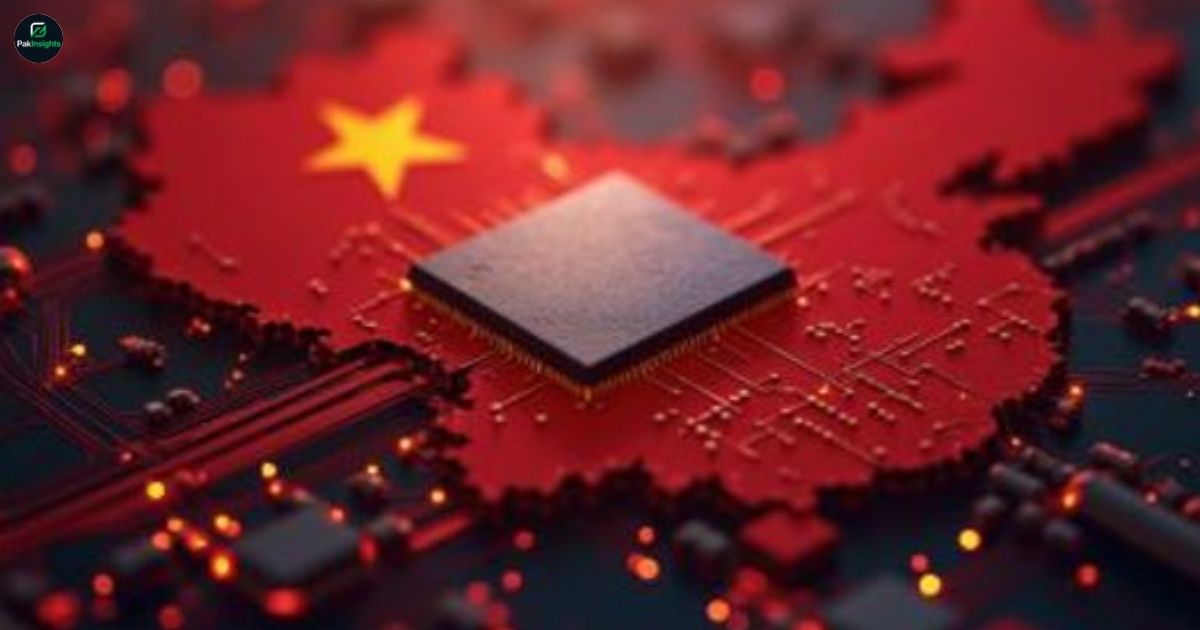
Chinese Chipmakers Accelerate Production of Next-Generation Semiconductors with bold plans to boost output and upgrade manufacturing capabilities. China’s semiconductor expansion is rising, and Hua Hong Semiconductor and Semiconductor Manufacturing International Co (SMIC) lead this push. The report focuses on emerging technology targets for 7‑nanometer chips and 5‑nanometer chips to serve artificial intelligence (AI) demand. The focus on high‑performance semiconductors is critical because global competitors are also advancing.
China aims to increase production capacity and wafer production to reduce reliance on imports. SMIC and Huawei‑linked chipmakers report growing investment in cutting‑edge chip technology. Many facilities now push advanced chip output so China can respond to rising AI and mobile needs. This expansion supports next‑generation chips that power everything from data centers to smart devices.
The semiconductor industry sees strong demand for high‑speed chips, and Chinese firms work faster to meet that need. SMIC recently expanded a factory that makes 7‑nanometer technology, and Hua Hong Semiconductor plans new lines for advanced semiconductors. These moves help China close the gap with global leaders in next‑gen chip production. Analysts say this shift may shift the global semiconductor market by 2030.
China’s industry targets 2030 include localizing most chip production and boosting quality. Higher production means more high‑performance semiconductors are available locally and for export markets. AI demand is one reason the output of advanced chips is growing so quickly. China’s wafer plants also add capacity for 5‑nanometer chips, a step toward even more advanced nodes.
Government support also plays a part, with subsidies and policy guidance helping boost output. Because of this, Chinese chipmakers are accelerating production of next‑generation technology like 5‑nanometer chips faster than before. The shift shows China’s commitment to compete in global tech.
Conclusion: Chinese firms are now expanding capacity to lead next‑generation semiconductor production and meet AI and global market demand.