
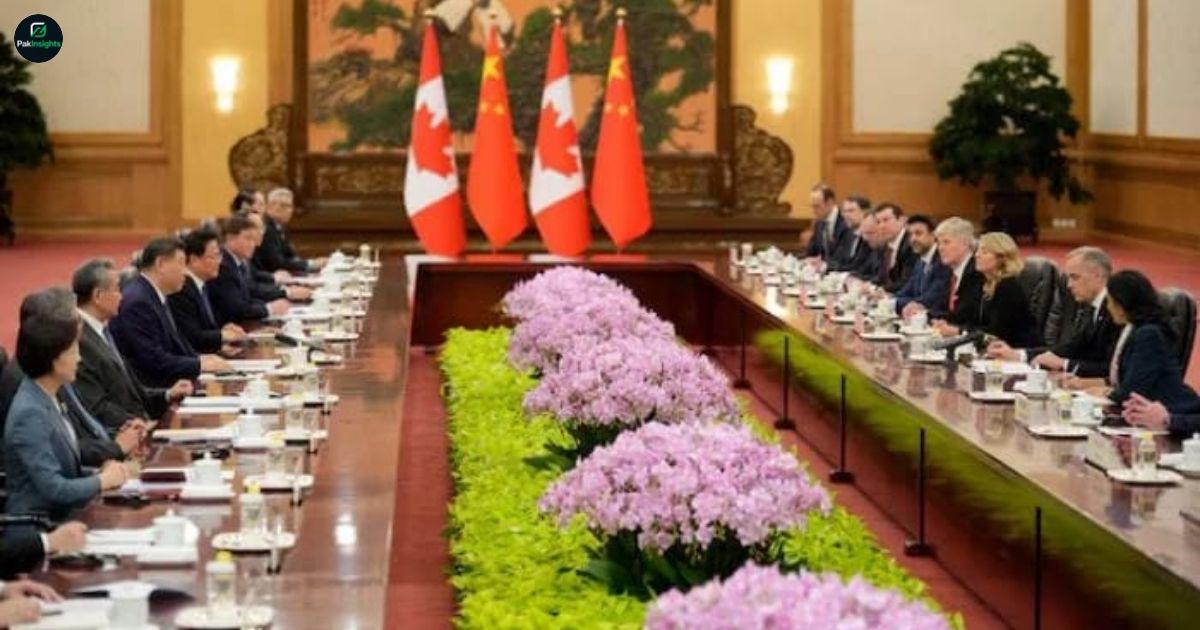
China Suspends Select Agricultural Tariffs on Canada Following Carney Visit, marking a major development in China-Canada trade relations. The move targets key Canadian exports, including canola meal, peas, lobster, and crab. The tariff suspension follows Canadian Prime Minister Mark Carney’s diplomatic visit to Beijing in January, reinforcing bilateral trade agreements and reducing tensions from past trade disputes.
China will remove 100% tariffs on canola meal and pea imports and halt 25% tariffs on lobster and crab starting March 1 through the end of 2026. However, tariffs on canola seeds and other commodities, such as canola oil and pork, remain under review. Even Rogers Pay, director at Trivium China, noted that Chinese buyers have already booked Canadian canola cargoes for March, signaling confidence in the tariff reduction.
The tariff adjustment strengthens Canada’s export market share in agricultural commodities, as China was Canada’s second-largest canola market in 2024. The move also reflects China’s broader strategy to stabilize trade and present itself as a reliable economic partner amid U.S.-China trade tensions. Carney’s negotiations aimed to secure export access and reduce uncertainty for Canadian farmers while aligning with Canada’s global trade strategy.
This development highlights the importance of trade diplomacy, export quotas, and policy signaling in resolving trade disputes. Canada and China are now poised to deepen their economic partnership and explore further bilateral agreements. Observers also note that future adjustments may include canola seed tariffs, with the trade probe concluding on March 9, 2026.
Overall, China’s selective tariff suspension represents a significant step toward trade dispute resolution, benefits Canadian agricultural exporters, strengthens bilateral economic ties, and reinforces global trade order stability.