
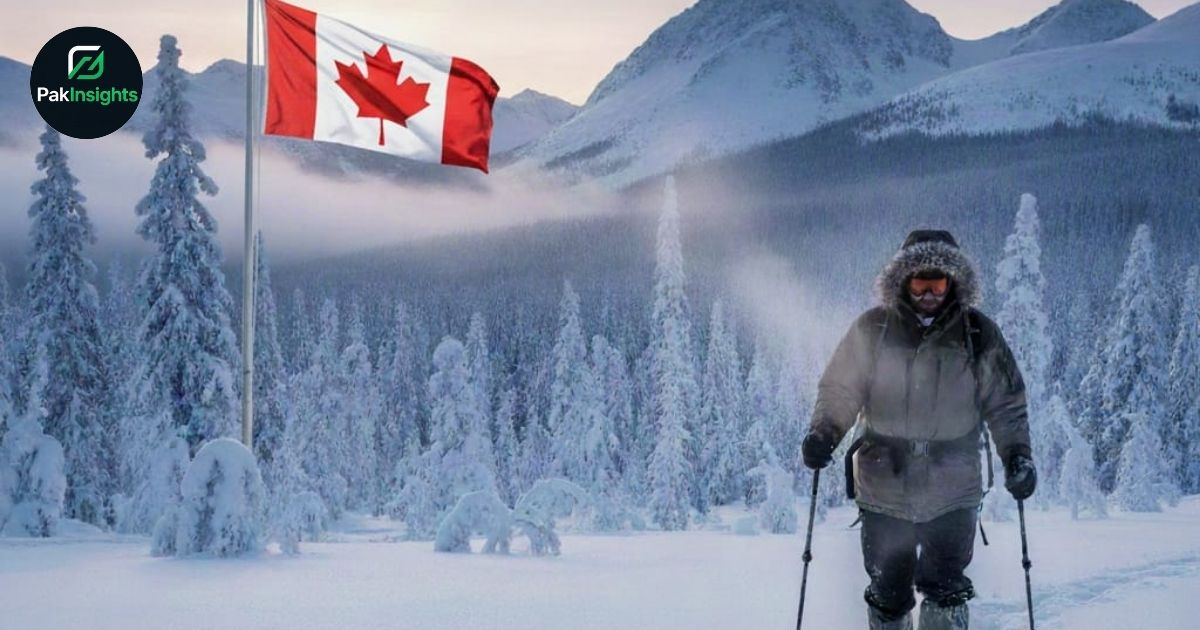
Canada Records Coldest December Temperature in 50 Years at -55.7°C, shocking residents and authorities alike. This historic December low highlights the extreme winter weather Canada faces. The -55.7°C temperature has triggered widespread travel disruptions and frozen infrastructure across affected regions.
Meteorologists report that Arctic weather patterns and polar vortex shifts are behind this record low temperature. Authorities have issued meteorological warnings, advising residents to stay indoors and take precautions. Frostbite and hypothermia risks are high, so public safety advisories are in effect nationwide.
The cold wave has disrupted daily life. Flights and road travel in some provinces were canceled, and schools postponed activities to ensure safety. Frozen infrastructure, including water pipes and power lines, has caused additional challenges. Emergency services are actively monitoring conditions to prevent accidents and health emergencies.
Extreme weather alert systems continue to guide Canadians on protective measures. Meteorologists emphasize that such temperatures, while rare, are becoming more significant due to shifting polar vortex patterns. The December 2025 record cold sets a benchmark for the coldest December temperature Canada has experienced in five decades.
Communities are urged to check on vulnerable residents and avoid unnecessary travel. Authorities are coordinating with local governments to provide shelters and heating assistance for those at risk. Citizens are advised to dress in multiple layers and limit outdoor exposure.
In conclusion, Canada Records Coldest December Temperature in 50 Years at -55.7°C, underlining the severity of extreme winter weather Canada is facing. Staying informed, following meteorological warnings, and taking precautions remain crucial to navigating this historic cold wave.
Meta Description:
Canada records coldest December temperature in 50 years at -55.7°C, raising frostbite risks and triggering extreme winter weather alerts.