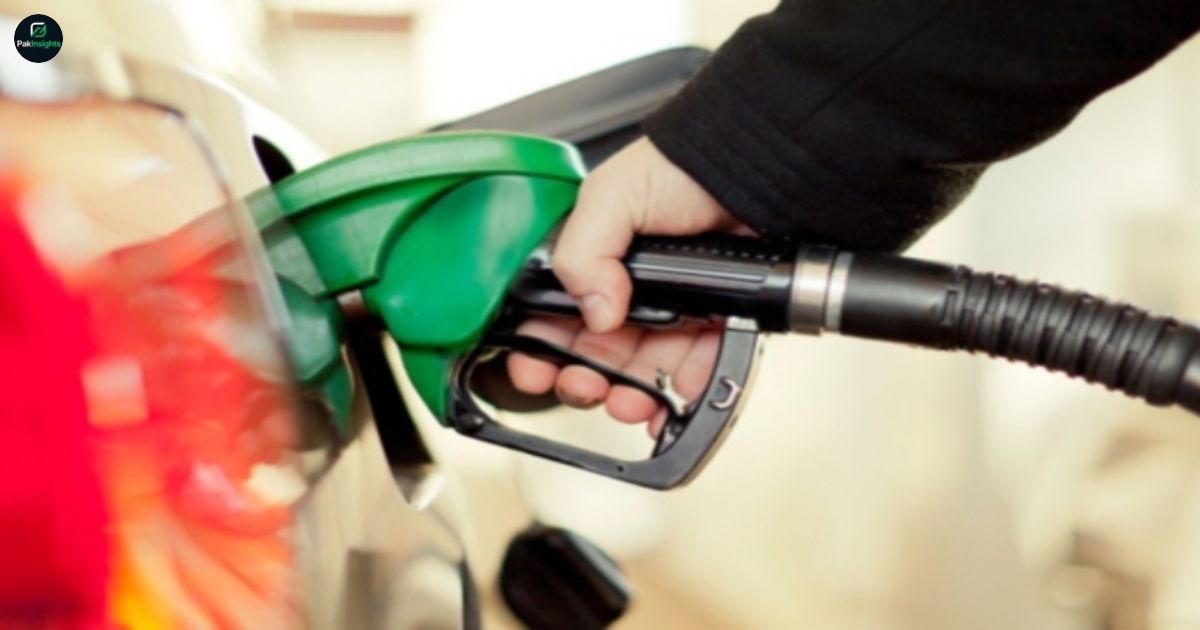
Big Relief for Public as Petrol Prices Drop by Rs. 80 Across Pakistan has brought much-needed comfort to citizens after a sharp increase. This major petrol price reduction in Pakistan comes after record hikes that raised concerns nationwide. The fuel price cut of Rs 80 signals a strong Pakistan government fuel decision aimed at easing pressure on households.
Prime Minister Shehbaz Sharif announced this emergency petrol price cut late Friday. Petrol prices dropped from over Rs. 458 to around Rs. 378 per litre. However, the increase in diesel prices in Pakistan still affects the transport and agriculture sectors. The move reflects a short-term fuel relief policy under rising fuel inflation in Pakistan.
Global factors played a key role in this petrol price reversal in Pakistan. Crude oil price fluctuations increased due to Middle East tensions and oil supply issues. In particular, the Strait of Hormuz disruption impacted global shipments. As an import-dependent economy, Pakistan remains vulnerable to such energy market volatility.
To manage the fuel price crisis in Pakistan, the government introduced a petroleum levy reduction. This step supports a broader government relief package fuel plan. Additionally, a targeted subsidy program offers a fuel subsidy in Pakistan to motorbike owners and farmers. Transport sector subsidies and freight transport financial aid also aim for transport cost reduction in Pakistan.
Experts believe this Rs 80 petrol relief in Pakistan will reduce inflation and fuel costs in Pakistan in the short term. Still, future petrol price trends in Pakistan depend on global oil stability. Long-term Pakistan fuel policy 2026 reforms remain essential.
In conclusion, this Pakistan petrol rates update provides temporary relief but highlights ongoing economic challenges. Sustainable solutions are needed to avoid repeated fuel shocks.