
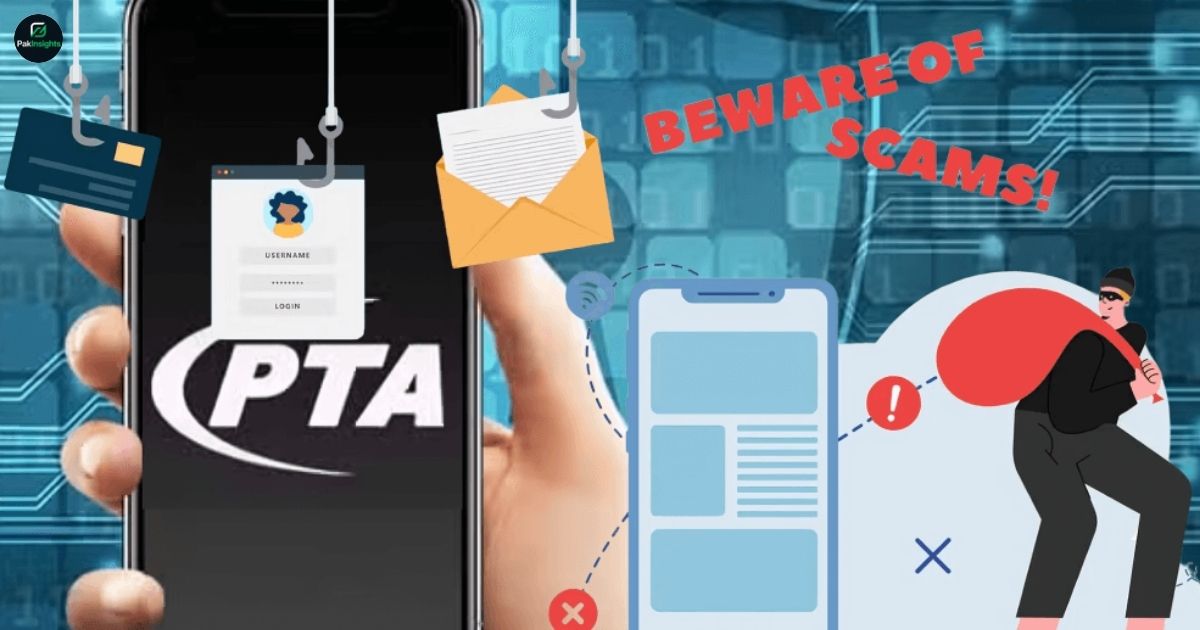
Phishing scams in Pakistan continue to rise as cybercriminals use fake emails, text messages, and fraudulent websites to steal sensitive personal data. The Pakistan Telecommunication Authority (PTA) has issued a fresh public guide to help citizens recognize and avoid these digital threats.
The advisory comes as online fraud cases increase across the country, targeting mobile users, banking customers, and social media accounts. They warned that scammers are becoming more sophisticated, making it harder for users to identify fake messages at first glance.
PTA warns public about growing phishing threats
PTA has highlighted that phishing is a deceptive practice where attackers impersonate trusted organizations to trick people into sharing confidential information. These include One-Time Passwords (OTPs), bank account details, login credentials, and personal identification data.
Officials explained that most phishing attacks begin with urgent messages. These messages often claim account suspension, prize winnings, or security verification requests. Once users click on the provided links, they are directed to fake websites designed to steal their information.
According to PTA, these scams are increasingly designed to look identical to real banking portals, telecom companies, and government websites. This similarity often leads users to trust them without verification.
The authority stressed that no official organization, including PTA itself, will ever request sensitive information through email, phone calls, or text messages.
Key safety guidelines issued by PTA
In its awareness guide, PTA shared several practical steps for citizens to protect themselves from phishing scams in Pakistan:
Users should never click on suspicious or unknown links received through SMS or email. Even if the message appears urgent, it should be verified before any action is taken.
PTA advised users to carefully check the sender’s email address or phone number. Scammers often use slightly altered addresses that look similar to official ones.
The authority also urged people to avoid sharing personal or financial details online. Sensitive data such as OTPs, passwords, and banking PINs should remain private at all times.
Another key recommendation is to report suspicious messages. PTA encouraged citizens to forward such content to relevant authorities so that action can be taken against fraud networks.
Why phishing scams are becoming more effective
Cybersecurity experts believe phishing scams are becoming more successful due to psychological manipulation. Attackers create a sense of urgency, fear, or reward to force users into quick decisions.
Many victims act without verification when they receive messages claiming their bank account is blocked or their SIM card will be deactivated. This rushed response allows scammers to steal data instantly.
Experts also point out that increased smartphone usage and online banking in Pakistan have expanded the target base for cybercriminals. As more users come online, the risk of falling victim to phishing attacks also rises.
PTA reminder to stay alert online
PTA has once again reminded citizens that digital safety depends on awareness and caution. Users are advised to double-check every message, avoid unknown links, and rely only on official communication channels.
The authority emphasized that staying alert is the strongest defense against online fraud. With increasing phishing scams in Pakistan, public awareness remains essential to reducing financial and personal data loss.