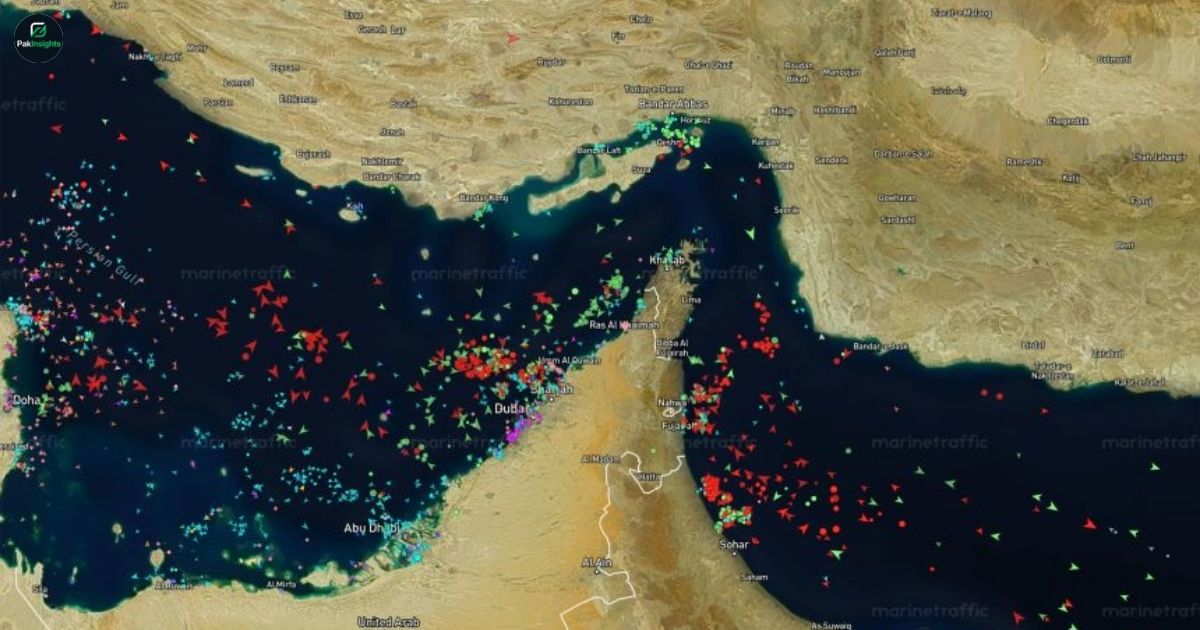
Iran has announced the full reopening of the Strait of Hormuz, a key global energy shipping route, during an ongoing ceasefire period. The move comes as part of broader regional de-escalation efforts and is expected to ease maritime tensions in one of the world’s most sensitive waterways. The development has drawn global attention due to its direct impact on oil trade and shipping stability. The Strait of Hormuz reopening is being closely watched by energy markets and international observers.
Iranian officials confirmed that the waterway is now fully operational for commercial and transit shipping. The announcement was made in connection with the current ceasefire understanding involving regional actors, including diplomatic engagement with the United States. Authorities said the decision aims to maintain uninterrupted maritime traffic during the truce period.
The Strait of Hormuz is a narrow but highly strategic passage connecting the Persian Gulf with the Arabian Sea. Nearly a fifth of the world’s oil supply passes through this route. Any disruption in this corridor often leads to immediate reactions in global energy prices and shipping costs.
According to Iranian Foreign Ministry statements, the reopening is temporary and linked to the duration of the ceasefire agreement. Officials emphasized that maritime activity should continue without obstruction as long as the truce remains in effect. They also described the move as a step toward stabilizing regional tensions and supporting diplomatic efforts.
The announcement follows weeks of regional uncertainty over possible shipping disruptions due to rising tensions. International energy markets are closely watching the situation, as even small changes in the Strait’s security can impact global oil flows.
Maritime analysts say the reopening may help restore confidence among shipping companies and insurers. Reduced risk in the waterway could lower freight and insurance costs, which had increased during periods of tension.