
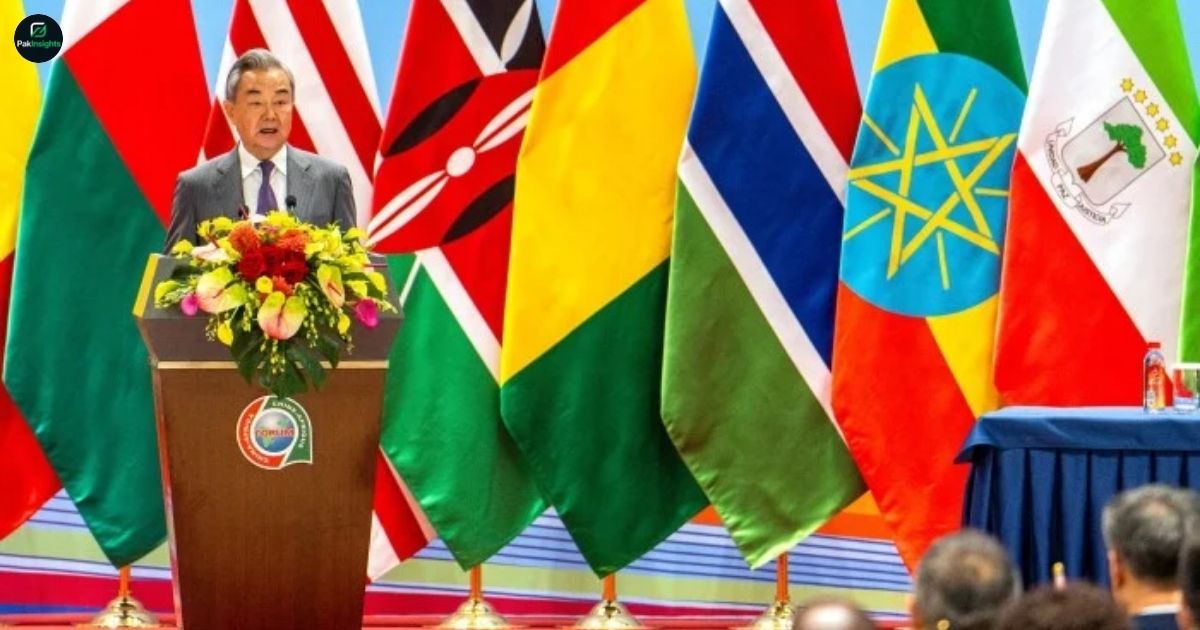
China to Lift Tariffs on Imports from 53 African Nations, starting May 1, 2026, marks a major step in strengthening China-Africa trade. This zero-tariff initiative will enhance African exports to China and create new opportunities for economic growth. By reducing trade barriers, China aims to expand market access for Africa and support sustainable development across the continent.
The move comes as part of broader efforts under the Belt and Road initiative, which funds major African infrastructure projects. China will continue promoting economic partnership pacts and use mechanisms like the green channel to simplify trade procedures. African leaders attending the African Union summit welcomed the announcement, calling it a historic step in boosting exports and investment opportunities.
Most African countries will benefit from tariff removal, except Eswatini, which maintains diplomatic relations with Taiwan. Xi Jinping emphasized that this policy will open new avenues for African development and strengthen diplomatic ties. Analysts note that African nations can now access China’s vast market more competitively, potentially increasing trade volumes and job creation.
This decision also comes after global trade tensions and US tariffs affected African exports worldwide. By lifting tariffs, China positions itself as Africa’s key trading partner, encouraging trade negotiations and long-term collaboration. Experts expect that trade barriers will stimulate growth in agriculture, manufacturing, and other sectors. Additionally, joint economic initiatives may provide African countries with technical support, investment, and strategic partnerships.
In conclusion, China’s decision to Lift Tariffs on Imports from 53 African Nations is a transformative policy. It boosts African exports, strengthens diplomatic relations, and supports economic growth in Africa. The zero-tariff policy represents a significant opportunity for African businesses to expand globally while fostering deeper China-Africa cooperation.