
How NASA Is Using Blockchain to Secure Drone Communications is transforming drone flight data security. The agency is testing blockchain technology to prevent cyberthreats in aviation. This ensures real-time communications between drones and ground stations remain safe. By using decentralized ledgers, NASA creates tamper-proof digital records of flight plans, telemetry data, and operator registration.
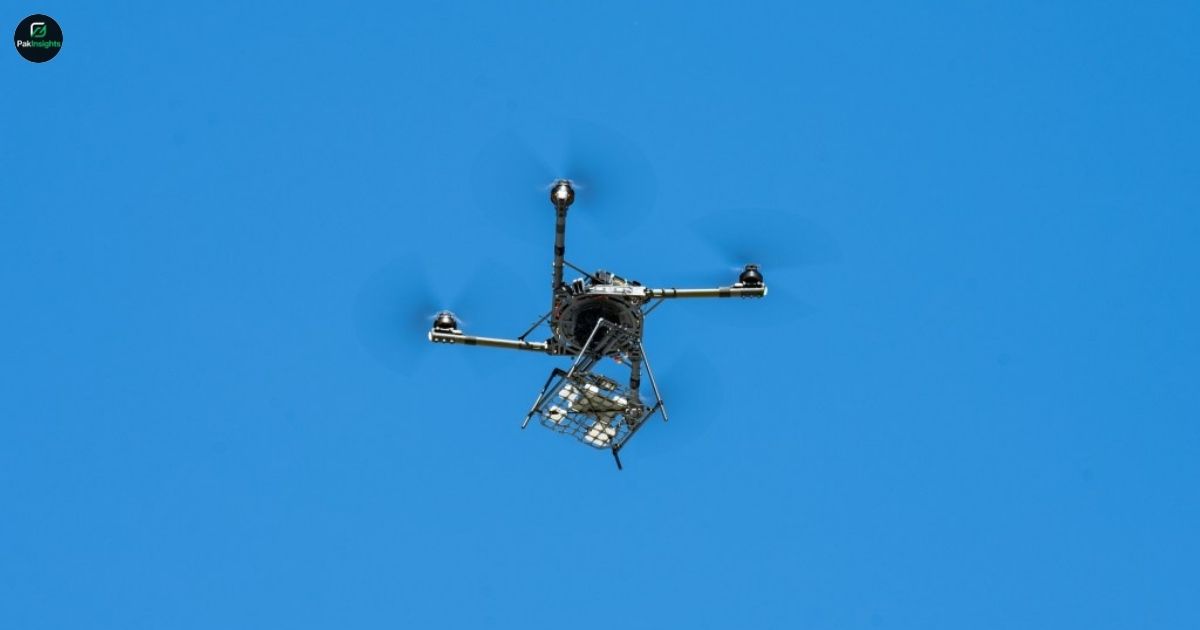
During recent experiments at the Ames Research Center, California, researchers used the Alta-X drone. The drone operated in simulated real-world flight conditions, managed by a custom hardware and software package. An open-source framework handled digital transaction management efficiently. This proved that blockchain can support secure live air traffic while meeting speed and reliability requirements.
Blockchain technology adds an extra layer to traditional security. Unlike layered security measures alone, it ensures that trusted parties only access critical information. This method also helps Air Traffic Management systems by maintaining accurate, real-time data. Urban Air Mobility and autonomous aircraft at high altitudes can benefit from such scalable trusted ecosystems.
NASA believes this approach will impact next-generation air travel. It could improve the safety of high-altitude drones, delivery drones, and other autonomous aircraft. By validating blockchain for drone communications, NASA sets a foundation for broader adoption in commercial and defense aviation.
In conclusion, How NASA Is Using Blockchain to Secure Drone Communications demonstrates a major step forward in cybersecurity for drones. The experiments show blockchain can protect sensitive flight data while supporting the future of autonomous and urban air mobility. This technology offers both innovation and safety for modern aviation.
Meta Description
How NASA Is Using Blockchain to Secure Drone Communications ensures flight data security and real-time communications for safer aviation.