
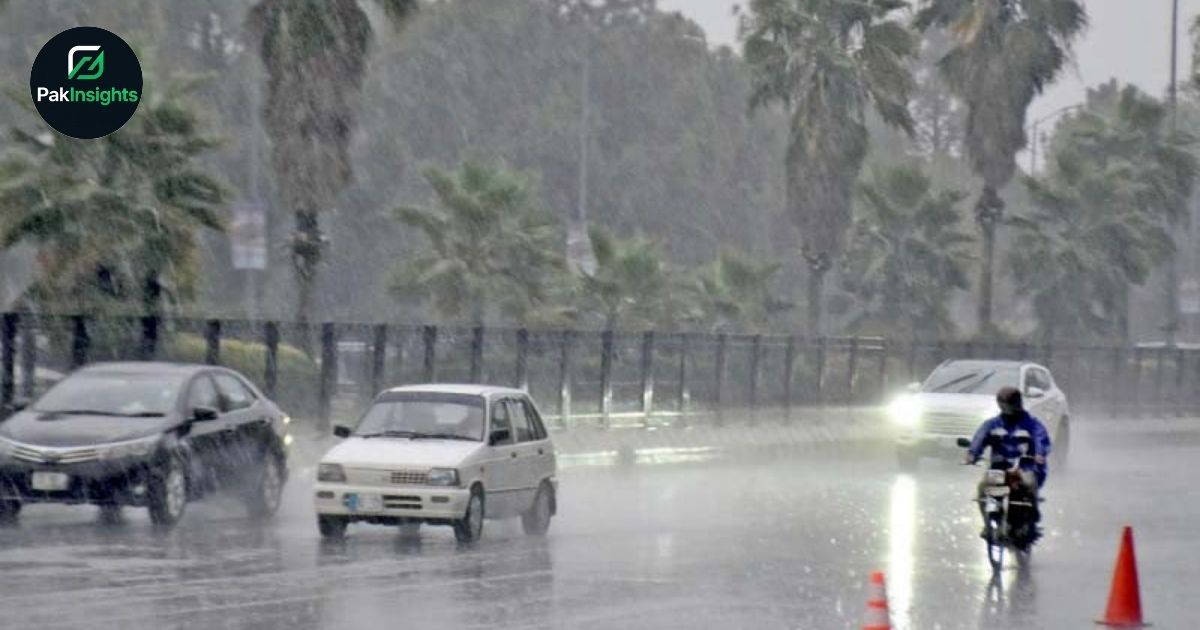
The National Disaster Management Authority (NDMA) has issued a warning that Pakistan is likely to experience an unusually harsh winter and a significantly stronger monsoon next year. According to Lieutenant General Inam Haider Malik (NDMA Chairman), while the number of winter days may not change, the cold season intensity will increase, particularly in Northern Pakistan. Areas such as Gilgit Baltistan are expected to receive snowfall above average, which could disrupt daily life, transportation, and essential services. Simultaneously, the Monsoon 2026 projection suggests that rainfall could increase by 22–26 percent, raising concerns about flooding in low-lying areas.
Recent climate trends have shown that Pakistan is becoming increasingly vulnerable to climate-driven disasters, and this forecast underscores the urgency of preparedness. Dr. Musadik Malik (Minister for Climate Change) highlighted that last year’s floods in Punjab affected millions of people, causing widespread damage and economic losses. With extreme weather becoming more frequent, both government agencies and citizens must understand these predictions and take proactive steps. This report aims to provide a detailed overview of expected winter and monsoon patterns, rising risks, and safety strategies.
Expected Winter and Monsoon Trends in 2026
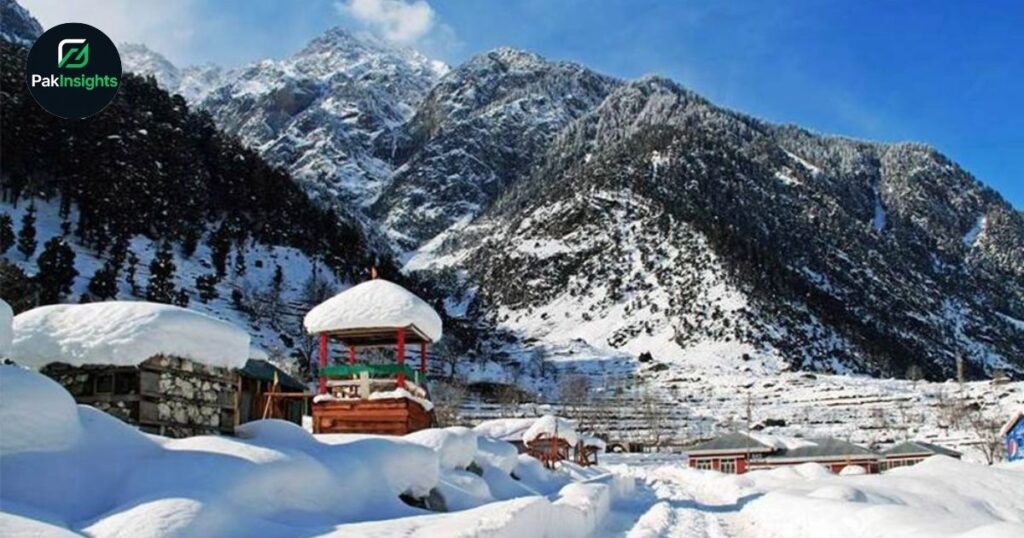
The NDMA forecasts that Northern Pakistan will experience colder winters than usual. Gilgit Baltistan snowfall is likely to exceed averages, which could disrupt transport and increase demand for emergency supplies. In urban areas, colder temperatures may increase energy usage and require citizens to take extra safety precautions. Meanwhile, southern regions like Punjab will face the risk of heavy rains, as Monsoon rains increase by 22–26% is predicted.
Farmers and local authorities are particularly concerned about crop damage due to prolonged cold and intense rains. The government is advising local agencies to strengthen monitoring and response efforts. Historical data show that unpredictable monsoon patterns can severely affect agriculture and water supply. Table 1 shows a comparison of past monsoon intensities and the upcoming Monsoon 2026 projection:
| Year | Average Rainfall | Flood Incidents | Damage Estimate |
| 2022 | High | Multiple | Nine percent GDP loss |
| 2023 | Moderate | Few | Low |
| 2024 | Low | Minimal | Minimal |
| 2026 | Predicted High | Likely | Potentially Severe |
Rising Risks and Climate Change Implications

Pakistan has suffered repeatedly from climate-driven disasters. The 2022 major floods are a stark reminder of the impact on lives and the economy. Floods in Punjab alone affected 4.7 million people and caused severe infrastructure damage. Dr. Musadik Malik (Minister for Climate Change) stresses that the urgency of climate disasters cannot be ignored. Rising temperatures globally are creating unpredictable weather patterns, and Pakistan sits in a highly vulnerable region.
The combination of harsh winters and strong monsoons increases the risks of landslides, road blockages, and electricity shortages. Experts warn that without immediate intervention, more communities may become flood-affected villages. Climate studies show that extreme weather events could increase in frequency and intensity, affecting both rural and urban areas. Prime Minister meetings have been held to discuss emergency funding and long-term resilience strategies.
Government Preparedness and Mitigation Plans
The government has developed a detailed disaster preparedness strategy to minimize losses from extreme weather. This includes flood protection structures, drainage system upgrades, and strengthening resilient infrastructure across vulnerable areas. Short-term actions focus on flood protection repairs, while medium and long-term plans involve expanding drainage and integrating early warning systems.
Local authorities are being trained for early warning integration to alert citizens in advance. The strategy aims to improve disaster response, ensuring faster evacuation and relief. Lieutenant General Inam Haider Malik (NDMA Chairman) highlights that coordination between national and provincial authorities is key. Historical experience shows that proactive infrastructure planning saves lives and reduces economic loss significantly.
How Citizens Can Stay Safe During Extreme Weather
Citizens in Northern Pakistan and Punjab must take winter and monsoon safety seriously. During harsh winters, staying indoors during heavy snow, ensuring proper heating, and preparing emergency supplies can prevent accidents. Citizens should monitor winter alerts issued by local authorities and NDMA advisories.
During monsoon rains, avoiding low-lying areas and staying alert to early warning systems can save lives. Communities should secure homes, avoid driving in flooded areas, and report emergencies promptly. Following official guidance and maintaining emergency kits can reduce risks for families. Past experiences from flood-affected villages show that preparedness can be the difference between safety and disaster.
Frequently Asked Questions
Q1: What does “NDMA Predicts Intense Winter and Stronger Monsoon in Pakistan” mean?
It means the National Disaster Management Authority (NDMA) expects colder winters and heavier monsoon rains in 2026, which could affect Northern Pakistan, Gilgit Baltistan, and low-lying areas like Punjab.
Q2: How severe will the winter and monsoon be?
The cold season intensity will be higher than usual, and the Monsoon 2026 projection indicates rainfall could increase by 22–26%, raising the risk of floods and infrastructure damage.
Q3: Who is responsible for managing these risks?
Lieutenant General Inam Haider Malik (NDMA Chairman) oversees national disaster management, while Dr. Musadik Malik (Minister for Climate Change) coordinates climate and flood response strategies with the Prime Minister and local authorities.
Q4: How can citizens stay safe during extreme weather?
Citizens should follow early warning systems, avoid flooded areas, secure their homes, and prepare emergency supplies to reduce risks during winter and monsoon seasons.
Q5: Why is this forecast important internationally?
Pakistan’s extreme weather events, like floods in Punjab, affect millions of people and have economic impacts that resonate globally, highlighting the urgent need for climate preparedness.
Meta Description
NDMA predicts an intense winter and a stronger monsoon in Pakistan, warning of heavy snowfall, floods, and climate risks in 2026.