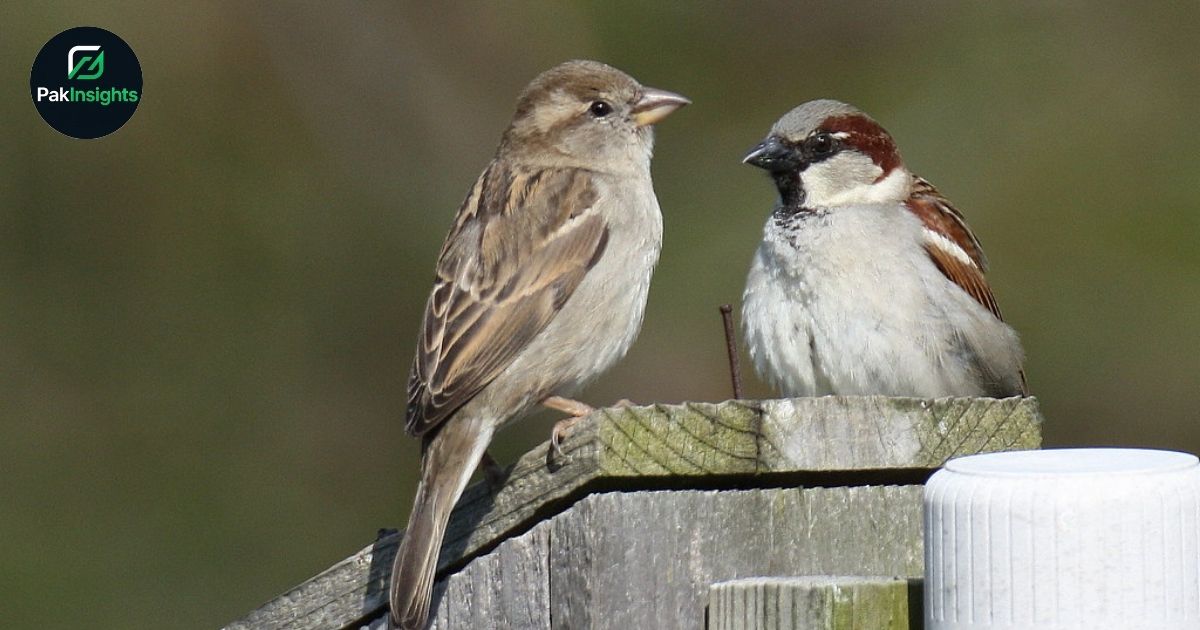
The alarming decline of sparrows in Pakistan has become a growing concern for wildlife lovers, environmentalists, and city residents. Over the last two decades, house sparrows in Pakistan have been disappearing rapidly from cities like Karachi, Lahore, Peshawar, Rawalpindi, and Faisalabad. Once a common sight in urban and rural areas, these small birds are now increasingly rare. Experts say the decline is caused by multiple factors, including habitat loss, unplanned urbanization, pollution, and air quality deterioration. As we approach World Sparrow Day, it is vital to understand why sparrows are vanishing and what can be done to save them.
Sparrows are not just ordinary birds; they play a key role in seed dispersal and help maintain the ecological balance. According to Abdul Razzaq Khan (ornithologist), the disappearance of sparrows is an indicator of environmental health. In urban areas, their absence signals a decline in air quality and increasing predatory threats to sparrows from opportunistic birds like kites, crows, and mynas. The situation in Pakistan reflects a larger global sparrow decline, seen across South Asia and the Afro-Asian region.
Understanding the Sparrow Population Crisis in Pakistan
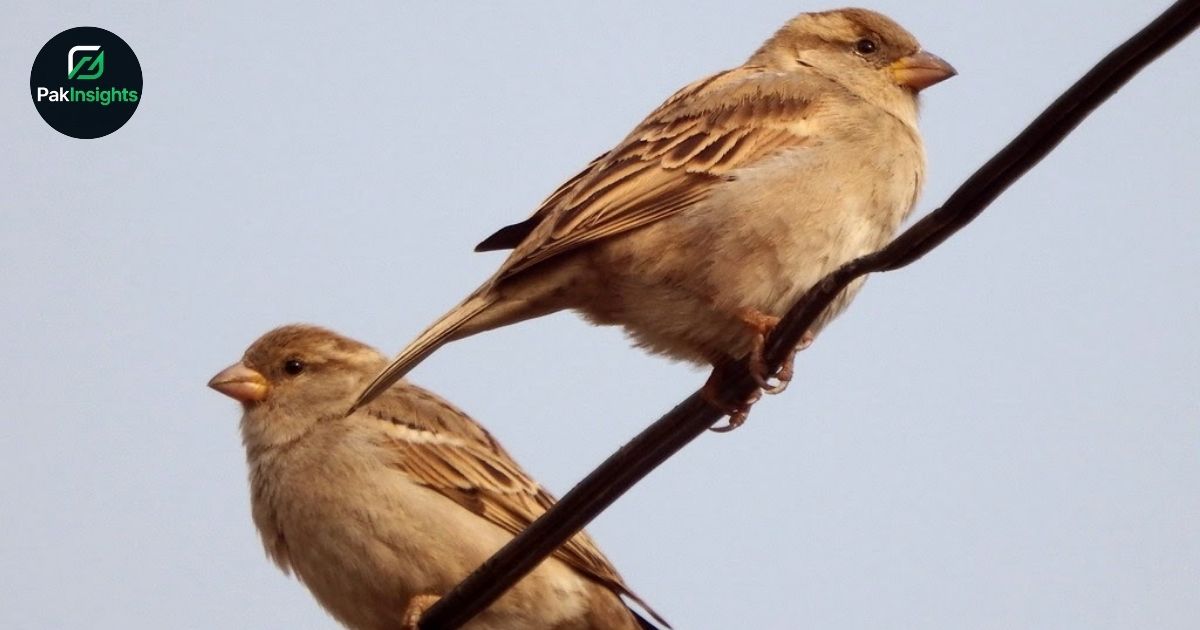
The sparrow population decline in Pakistan is most visible in major cities where urban growth is rapid. In Karachi, Lahore, and Faisalabad, the population has dropped by over 40% in the last decade. Wildlife experts highlight that modern architecture and flats have replaced old houses that offered safe nesting sites and roosting for sparrows. Trees and grasslands have been cleared for construction, leading to the cutting of trees and the destruction of natural habitats. Urban gardens and public parks often lack the natural plants that sparrows need for food and nesting.
The decline is not just limited to cities. Smaller towns and rural areas are also seeing fewer sparrows due to industrialization, agrochemicals/pesticides, and land-use changes. Amita Kanaujia (professor, Lucknow University) notes that the absence of sparrows affects local ecosystems because these birds help control insect populations naturally. The rapid drop in nesting has caused opportunistic bird species like kites, crows, and mynas to dominate the skies, pushing out small birds and reducing biodiversity.
Major Reasons Behind Sparrow Decline
Several factors contribute to the alarming decline of sparrows in Pakistan. Habitat loss caused by unplanned urbanization is one of the main reasons. Old buildings with crevices, holes, and wooden roofs were ideal for nesting. These have been replaced by box-styled flats that provide no shelter for sparrows. The clearing of trees and natural vegetation has removed food sources, creating an inhospitable environment. Human activities such as hunting and poaching also contribute to the rapid decline.
Pollution and air quality play a major role as well. Cities like Karachi, Lahore, and Islamabad face high levels of air pollution due to traffic, industrial emissions, and waste. Sparrows are sensitive to air pollutants, and their reduced numbers reflect environmental stress. Additional factors like mobile phone tower radiation and increased presence of opportunistic bird species such as crows and mynas reduce sparrows’ chances of survival. According to Tahir Rasheed (WWF Pakistan), these combined pressures have led to a dramatic decline in population over decades, signaling an urgent need for intervention.
Ecological and Social Impacts of Sparrow Decline
The disappearance of sparrows has a major ecological impact on Pakistan’s urban and rural areas. Sparrows help control insect populations naturally, and their absence can lead to pest outbreaks, affecting crops and gardens. They also play a vital role in seed dispersal, helping to maintain plant diversity in cities and the countryside. Without these small birds, the balance of the ecosystem shifts, allowing opportunistic bird species to dominate. This shift reduces biodiversity and alters natural food chains.
Socially, sparrows have cultural significance in Pakistan. Their songs and presence are part of daily life in villages and cities. Communities notice their absence, which can affect public awareness of environmental health. Mohammed Dilawar (Nature Forever Society) emphasizes that the decline in sparrows is a global trend, not just local. Losing sparrows signals that restoration of degraded habitats is needed and shows that humans must take responsibility for maintaining healthy urban ecosystems.
Measures to Protect and Revive Sparrow Populations
Efforts to save sparrows are underway, but more action is needed. Awareness campaigns and conservation efforts have encouraged citizens to participate in urban wildlife protection. Installing nest boxes/bird feeders, planting sparrow-friendly trees, and reducing pesticide use are practical steps that can help. Cities in Pakistan can adopt urban management policies to preserve green spaces and ensure nesting sites and roosting opportunities remain available.
Government and NGO initiatives also play a key role. Programs led by Tahir Rasheed (WWF Pakistan) and Mohammed Dilawar (Nature Forever Society) focus on mass installation of birdhouses and feeders and educating communities about sparrow conservation. Local governments can make it mandatory for urban housing plans to include nesting spaces for house sparrows in Pakistan, ensuring future generations see these birds in their neighborhoods. Collaborative action across cities like Karachi, Lahore, and Faisalabad can reverse the trend and protect one of Pakistan’s most beloved birds.
Table: Factors Affecting Sparrow Population in Pakistan
| Factor | Impact on Sparrows | Notes |
|---|---|---|
| Habitat loss | Reduces nesting sites | Old houses replaced by flats |
| Pollution & air quality | Affects health & survival | Traffic, industrial, and waste emissions |
| Hunting & poaching | Direct population decline | Some regions still hunt sparrows |
| Agrochemicals/Pesticides | Reduces food availability | Crows, kites, and mynas dominate |
| Opportunistic birds | Compete for nesting | Crows, kites, mynas dominate |
| Mobile tower radiation | Disrupts behavior | Electromagnetic exposure in cities |
Sparrows are small but powerful players in Pakistan’s ecosystem. Saving them requires awareness, practical steps, and collaboration across communities, NGOs, and governments. The alarming decline of sparrows in Pakistan is a wake-up call for all of us. By restoring habitats, planting sparrow-friendly trees, installing nest boxes/bird feeders, and enforcing urban management policies, we can bring these beloved birds back to our cities and villages.
Frequently Asked Questions
Q: Why are sparrows decreasing in Pakistan?
A: Sparrows are declining due to habitat loss, pollution, unplanned urbanization, and competition from opportunistic birds like crows and mynas.
Q: Why are there no sparrows around at the moment?
A: Many cities have lost nesting sites, green spaces, and natural food sources, causing a rapid drop in nesting for sparrows.
Q: Which species is extinct in Pakistan?
A: The pink-headed duck and some local freshwater fish species are considered extinct, while sparrows are critically declining but not yet extinct.
Q: What bird is mistaken for a sparrow?
A: Birds like finches, house buntings, and small mynas are often confused with sparrows due to their similar size and color.
Q: What’s the best food to feed sparrows?
A: Sparrows thrive on grains, seeds, and small insects, and providing clean water along with bird feeders helps them survive in urban areas.
Meta Description
Discover why sparrows are disappearing in Pakistan, their ecological impact, and effective solutions to save them.