
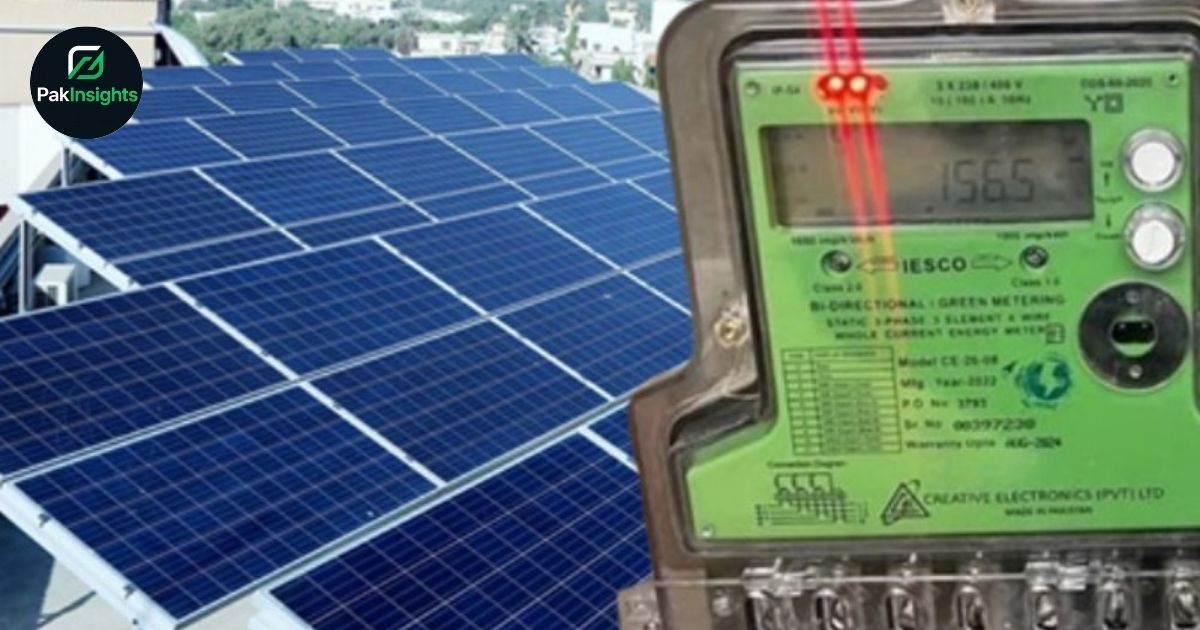
The government has finally addressed growing concerns about whether rooftop solar and net-metering could destabilize the electricity system. Recent statements from officials confirm that these renewable energy solutions are not harming the national grid, even as more households and industries adopt solar panels. According to CPPA testimony, electricity demand from the grid has remained largely stable, despite a significant rise in solar power consumption. Experts emphasize that integrating solar energy actually helps improve grid efficiency and provides long-term relief against energy cost challenges.
During a Nepra public hearing, regulators highlighted that net-metering policies in Pakistan allow consumers to feed excess energy back into the system without overloading the infrastructure. Industrial consumers and residential users alike benefit from reliable electricity while reducing dependency on conventional power sources. The government’s clarification also shows that solarisation in Pakistan is progressing safely, supporting both economic growth and environmental sustainability. As renewable energy adoption expands globally, including in the USA, this confirmation reassures stakeholders that rooftop solar and net-metering are practical, safe, and effective solutions for a cleaner and more stable energy future.
Clarification from Authorities on Rooftop Solar Impact
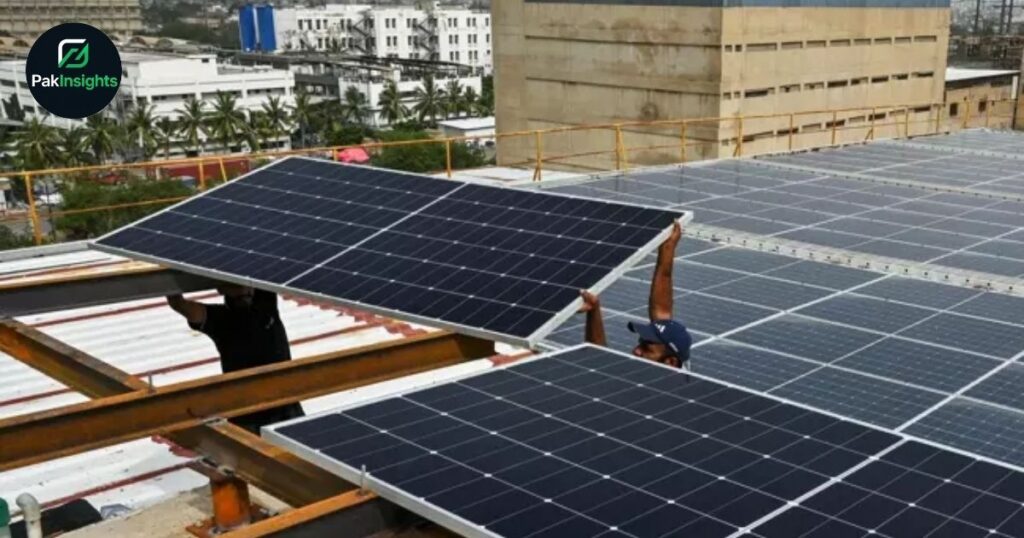
Government officials have clarified that the rooftop solar impact on the grid is minimal. According to Rehan Akhtar, during the Nepra public hearing, solar integration has improved energy efficiency without destabilizing the system. Solar generation has increased steadily, yet grid offtake from traditional power sources remains stable. This stability reassures both industrial and residential users about the energy supply. Officials also mentioned that energy cost challenges have led many users to adopt solar, reducing dependency on expensive grid electricity.
Recent data shows that net-metering contributions have surged by 173% increase, reaching 726 million units (solar contribution) in 2024. This is a remarkable jump from 266 million units in 2023. Despite this growth, the overall PPP price (power purchase price) remains manageable, ranging from Rs25.95 per unit / Rs26.53 per unit depending on currency devaluation and foreign exchange impact on tariffs. The table below shows the comparison:
| Year | Net-Metering Contribution | Growth % | Grid Withdrawal Stability |
| 2023 | 266 million units | – | Stable |
| 2024 | 726 million units | 173% | Stable |
This data demonstrates that rooftop solar is not harming the national grid stability and supports the government’s push for solarisation in Pakistan and renewable energy adoption worldwide.
Net-Metering Policy, Energy Benefits, and Future Roadmap
The net-metering policy in Pakistan encourages households and industries to generate electricity through rooftop solar and feed excess power back into the grid. This system reduces strain on the national grid while offering cost savings. Industrial consumers still face high electricity prices, but net-metering offsets part of these expenses. Reports show that despite rising fuel cost projections and foreign exchange reserves fluctuations, the system keeps power affordable. In many cases, cross-subsidy Rs131bn has been partially mitigated by solar adoption, benefiting all electricity users.
Looking ahead, officials from the power division and CPPA plan to expand solar infrastructure. They are revising the electricity tariff revisions and power purchase price rebasing to better integrate renewable energy. The goal is a sustainable grid capable of handling rising solar contributions without disruptions. As interest rates and global fuel prices fluctuate, rooftop solar and net-metering offer a buffer against energy cost spikes. The system ensures that even during a demand decline, households and industries can maintain stable electricity consumption while gradually shifting to greener alternatives.
Key Facts and Statistics on Rooftop Solar & Net-Metering
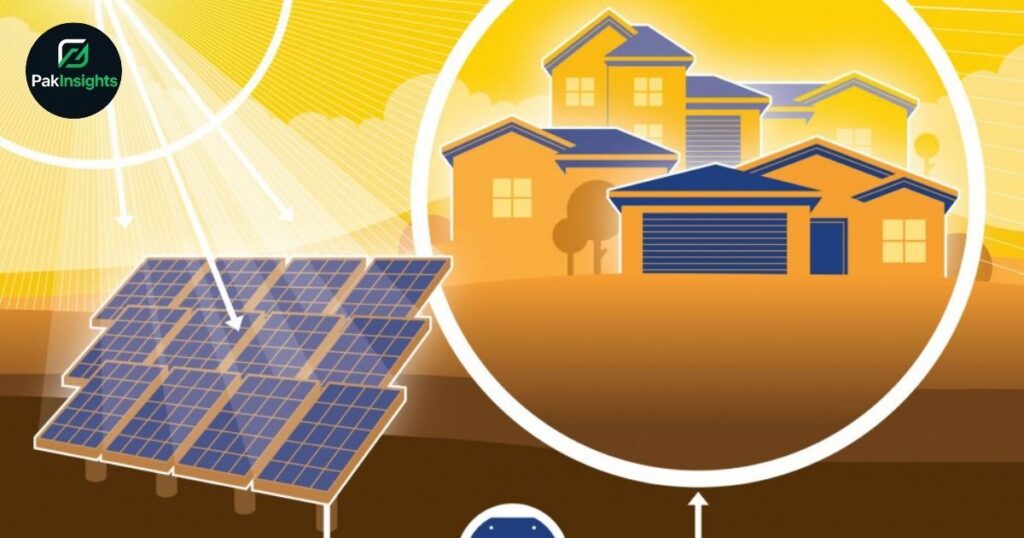
Rooftop solar and net-metering are reshaping energy markets in Pakistan and the USA. Some key points include solar generation growth, K-Electric grid offtake, and industrial adoption:
- Net-metering has increased 173% in Pakistan, contributing 726 million units (solar contribution).
- The PPP price (power purchase price) remains around Rs25.95 per unit / Rs26.53 per unit, showing national grid stability.
- Industrial consumers benefit from reduced costs, despite high electricity prices and energy cost challenges.
- The government continues power purchase price rebasing and electricity tariff revisions to support sustainable energy growth.
These numbers prove that rooftop solar impact is positive, enhancing grid efficiency and supporting renewable energy goals. With proper planning, net-metering ensures a cleaner, cost-effective future for both Pakistan and the USA.
Frequently Asked Questions
Does the national grid do net metering?
Yes, the national grid in Pakistan and many other countries supports net-metering policy, allowing consumers to feed excess solar energy back into the grid while reducing their electricity bills.
Is net metering ending in Pakistan?
No, net metering is not ending. The government continues to support rooftop solar and is updating policies to expand adoption safely without affecting national grid stability.
Why do utilities not like net metering?
Some utilities are concerned about reduced electricity sales and changes in grid offtake, but studies and CPPA testimony confirm that net-metering does not destabilize the system.
What is the new policy of net metering 2025?
The 2025 policy allows higher limits for rooftop solar, simplifies application processes, and ensures that consumers can contribute to the grid efficiently while keeping energy costs predictable.
Can I use 100% solar with net metering?
Yes, you can cover most of your electricity needs with rooftop solar, and net-metering lets you export surplus energy to the grid, reducing reliance on traditional power sources while supporting solarisation in Pakistan.
Meta Description
Government confirms rooftop solar and net-metering are safe, supporting the national grid and reducing energy costs in Pakistan.