
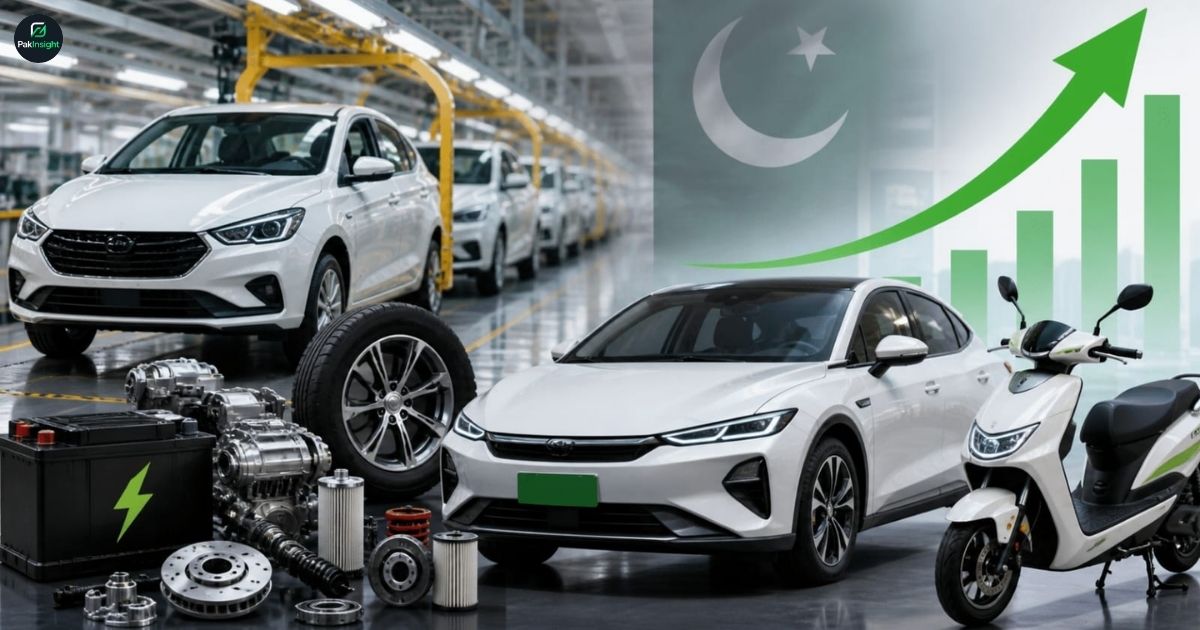
The upcoming federal budget may introduce major changes in the auto sector, with potential policy shifts aimed at making cheaper cars a reality for consumers in Pakistan. The government is reportedly reviewing proposals that could reduce taxes, lower import duties, and reshape the overall tariff structure for vehicles and auto parts.
Officials are working on a relief package for the automobile industry ahead of the new budget. The plan focuses on easing the cost of vehicles by adjusting duties on imports and encouraging investment in cleaner and more efficient transport technologies.
Tax Reforms Under Consideration
According to policy discussions, the government is considering reducing customs duties on auto parts to around 5 percent. At the same time, assembled vehicles may face revised duty rates near 10 percent, depending on category and engine type.
Authorities are also reviewing a broader tariff restructuring under the National Tariff Policy. This includes the gradual removal of additional customs duties that currently increase vehicle prices in the local market.
If approved, these changes could directly reduce production costs for local assemblers and potentially lower retail prices for consumers.
Focus on Electric and Hybrid Vehicles
The proposed policy is not limited to traditional fuel vehicles. It also aims to promote new energy transport options, including hybrid and electric vehicles.
Electric bikes, rickshaws, and EVs may receive tax exemptions or reduced duty structures. The goal is to encourage cleaner mobility and reduce dependency on imported fuel.
Officials are also discussing a 5 percent customs duty on hybrid vehicle parts to simplify and unify the tariff system across different vehicle categories.
CKD Kits and Industry Impact
The government is considering setting customs duties on Completely Knocked Down (CKD) kits between 5 percent and 10 percent. This move could help stabilize production costs for local manufacturers.
Industry experts believe that lower duties on CKD kits may lead to increased competition in the auto market. This could eventually support the availability of cheaper cars in Pakistan, especially in the mid-range segment.
However, final decisions will depend on upcoming consultations with stakeholders, including financial institutions and industry representatives.
Policy Still Under Review
The proposals are still in the review stage and are expected to be finalized in the coming weeks. The government aims to balance revenue needs with consumer relief and industrial growth.
If implemented, the new budget measures could reshape Pakistan’s auto market by improving affordability and encouraging wider adoption of modern vehicles.
For now, the auto industry and consumers are closely watching the budget announcements for clarity on future price trends.